WPC vs PVC Wall Panels: Which Is Better for Your Home or Commercial Space?
Choosing the right wall panel material is essential for creating attractive, durable, and low-maintenance interiors. Among today’s popular decorative wall covering solutions, WPC wall panels and PVC wall panels are widely used in residential, commercial, and renovation projects.
Both materials offer practical alternatives to traditional wood, painted walls, and ceramic tiles. However, they differ in composition, appearance, moisture resistance, installation requirements, maintenance, and cost.
When comparing WPC vs PVC wall panels, the better choice depends on the installation environment, design preferences, project budget, and expected performance.
In this comprehensive guide, we compare WPC and PVC wall panels, explain their advantages and disadvantages, and help homeowners, contractors, interior designers, and wholesale buyers select the most suitable material.
What Are WPC Wall Panels?
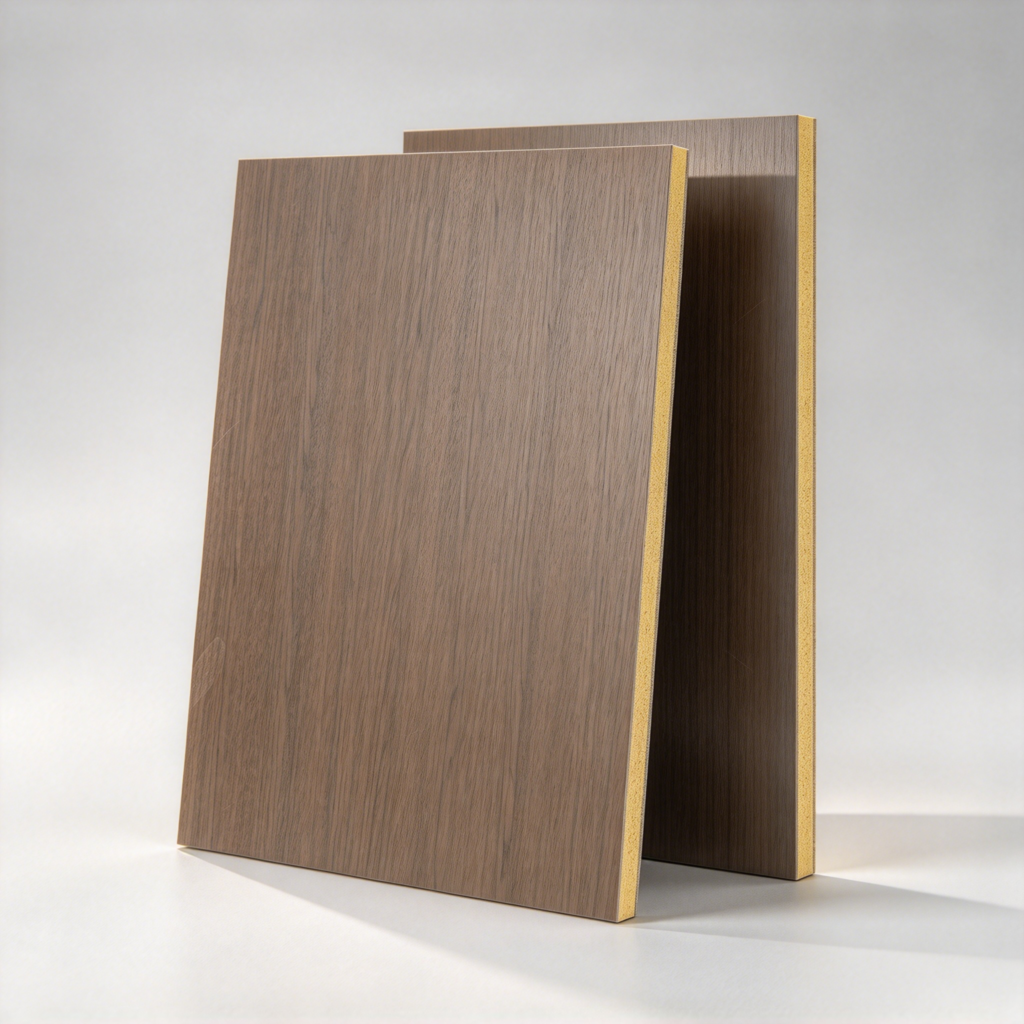
WPC (Wood Plastic Composite) wall panels are decorative wall covering materials manufactured by combining wood fibers or wood flour with thermoplastic polymers and performance-enhancing additives.
Depending on the manufacturing process, the plastic component may include polyethylene (PE), polypropylene (PP), or polyvinyl chloride (PVC). This means some WPC products contain PVC, although their composition and performance differ from conventional PVC wall panels.
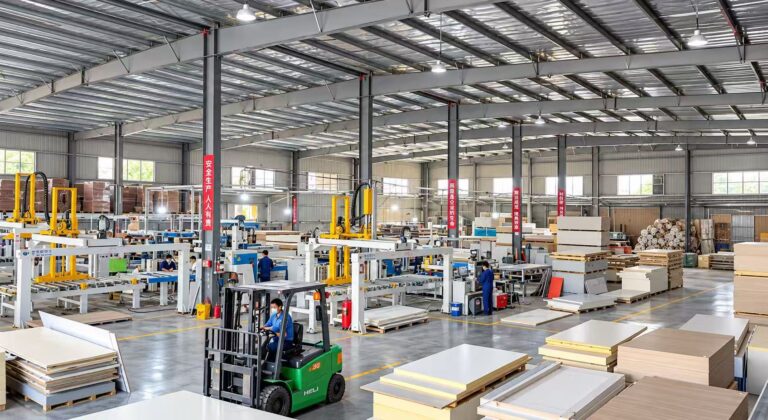
WPC panels are commonly manufactured using extrusion technology, which allows manufacturers to produce different dimensions, surface textures, and decorative profiles.
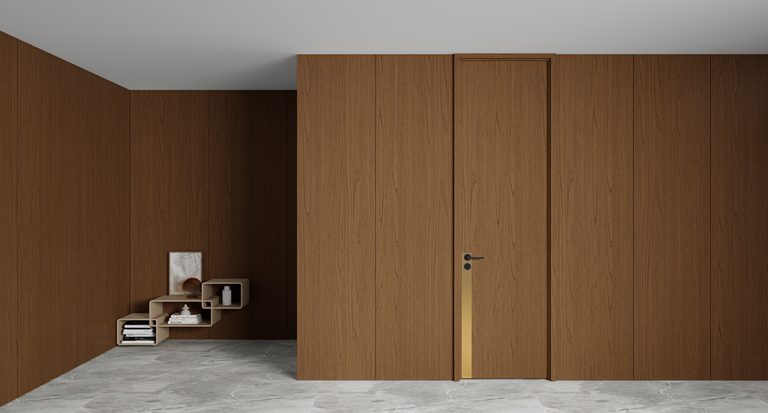
One of the most recognizable features of WPC wall panels is their ability to reproduce the appearance of natural wood.
Key Features of WPC Wall Panels
- Natural wood appearance: Available in realistic wood-grain textures, timber colors, and decorative finishes.
- Durable construction: Designed to provide good resistance to everyday wear when appropriately specified.
- Moisture resistance: The plastic component helps limit moisture absorption compared with untreated natural wood.
- Low maintenance: Generally requires no regular painting, staining, or polishing.
- Versatile design: Available in flat, fluted, slatted, and three-dimensional decorative profiles.
- Practical installation: Many systems use clips, screws, adhesive, or compatible mounting accessories.
WPC wall panels are frequently selected for living rooms, bedrooms, offices, hotels, retail interiors, and decorative feature walls.
We particularly recommend considering WPC panels when the project requires a warm, wood-inspired finish without the maintenance associated with solid timber.
What Are PVC Wall Panels?
PVC (Polyvinyl Chloride) wall panels are wall covering products manufactured primarily from PVC-based compounds, often combined with mineral fillers, stabilizers, pigments, and other additives.
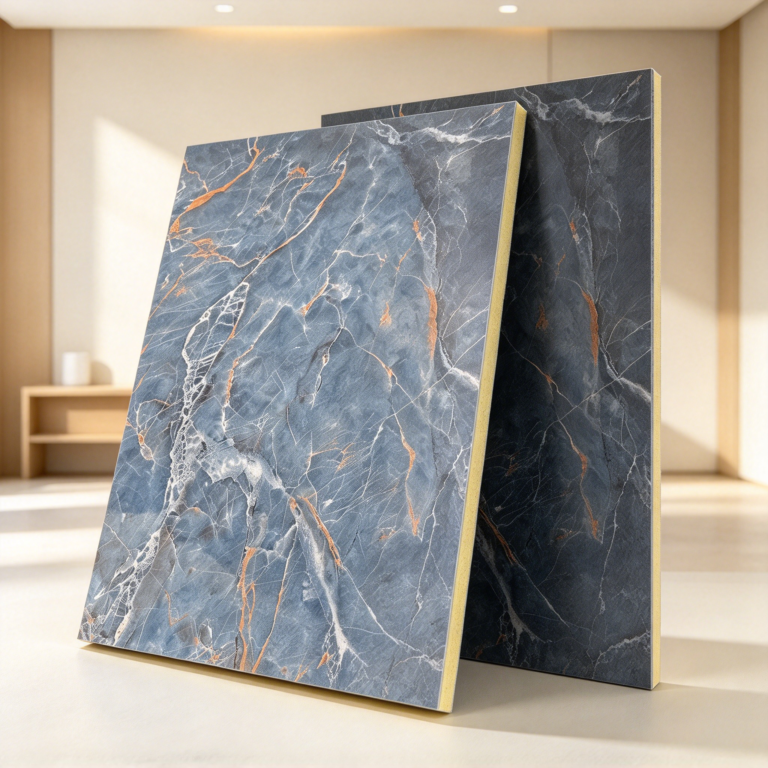
These panels are available in numerous styles, including smooth white panels, marble-effect sheets, glossy decorative finishes, and tile-effect designs.
Unlike WPC panels, conventional PVC wall panels do not generally rely on wood fiber reinforcement.
One of their principal advantages is their resistance to moisture, making suitable PVC systems popular for bathrooms, kitchens, utility rooms, and other humid environments.
Key Features of PVC Wall Panels
- Excellent moisture resistance: Suitable formulations absorb very little water.
- Easy cleaning: Smooth surfaces can generally be wiped clean using mild cleaning products.
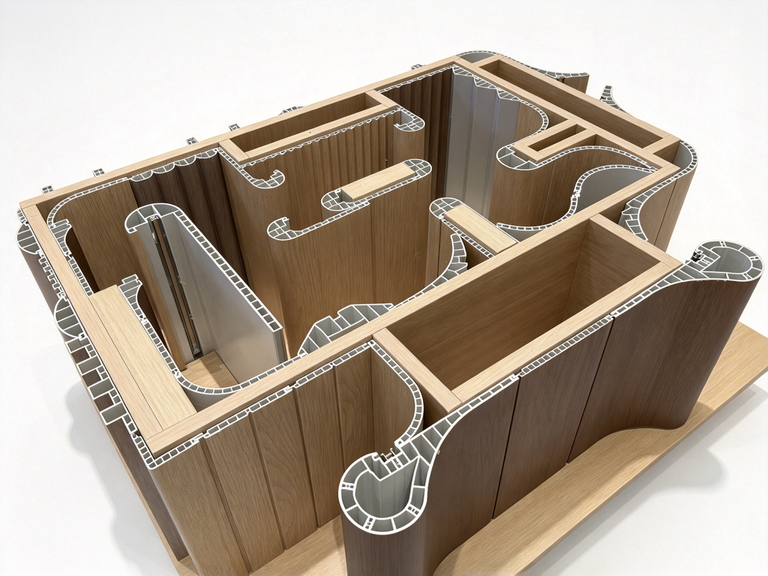
- Lightweight options: Many hollow-core PVC panels are relatively easy to transport and handle.
- Affordable decoration: Standard PVC wall panels are often economical for large renovation projects.
- Wide design selection: Available in marble, stone, tile, wood-effect, and plain finishes.
- Convenient installation: Many panels feature tongue-and-groove connections or adhesive-compatible backing.
For moisture-prone interior applications, properly specified PVC wall panels can offer an effective alternative to traditional tiled surfaces.
WPC vs PVC Wall Panels: Key Differences at a Glance
Before choosing between these materials, we recommend examining their main characteristics.
| Feature | WPC Wall Panels | PVC Wall Panels |
|---|---|---|
| Material composition | Wood fibers and thermoplastic polymers | PVC-based compound with additives |
| Appearance | Natural wood, fluted, and textured finishes | Marble, tile, glossy, and smooth finishes |
| Moisture resistance | Good, depending on formulation | Generally excellent at the panel surface |
| Weight | Often heavier, depending on profile | Often lighter, especially hollow-core panels |
| Impact resistance | Varies with density and construction | Varies with thickness and core design |
| Maintenance | Low | Low |
| Typical price | Often higher than basic PVC | Usually more affordable for basic styles |
| Installation | Adhesive, clips, screws, or framing | Adhesive, mechanical fixing, or interlocking joints |
| Best applications | Feature walls, bedrooms, offices, hotels | Bathrooms, kitchens, utility spaces |
| Outdoor applications | Only with exterior-rated WPC | Only with exterior-rated PVC |
The differences become clearer when we evaluate how each material performs under real installation conditions.
1. WPC vs PVC Wall Panels: Durability and Strength
Durability is one of the most important considerations when choosing wall covering materials for residential or commercial projects.
WPC Wall Panel Durability
WPC wall panels combine wood-based reinforcement with a polymer matrix. Depending on the formulation, this structure can provide useful stiffness and resistance to everyday impacts.
High-density WPC panels are often selected for decorative walls in commercial environments where long-term appearance matters.
However, their strength varies according to wood fiber content, polymer type, wall thickness, panel density, and manufacturing quality.
For example, an engineered WPC wall panel with a dense core may perform differently from a lightweight hollow decorative panel.
PVC Wall Panel Durability
PVC wall panels are also designed for long-term use, although their mechanical properties vary considerably.
Thin, hollow-core PVC panels may be more vulnerable to dents or punctures under concentrated impact than thicker, rigid PVC sheets.
For areas exposed to frequent contact, we recommend selecting reinforced or appropriately thick PVC products instead of relying on basic lightweight panels.
Our recommendation: Choose WPC for wood-effect decorative applications where a suitably robust panel is desirable. Choose PVC when moisture resistance and straightforward cleaning are the main priorities. Always compare actual impact-test data rather than assuming one material is universally stronger.
2. Which Is More Waterproof: WPC or PVC Wall Panels?
Moisture performance is particularly important for bathrooms, kitchens, laundry rooms, and other humid spaces.
WPC Moisture Resistance
WPC wall panels generally resist moisture better than untreated natural wood because their polymer component helps limit water absorption.
However, WPC contains wood-based material, meaning moisture absorption can still occur, especially through exposed edges, joints, or damaged surfaces.
The level of resistance depends on the formulation, surface treatment, installation method, and exposure conditions.
Therefore, we do not recommend assuming that every WPC panel is fully waterproof.
PVC Moisture Resistance
PVC itself has very low water absorption, giving suitable PVC panels an advantage in wet environments.
However, the panel alone does not necessarily create a waterproof wall system.
Water may still enter through joints, corners, fastener holes, and poorly sealed edges.
For bathrooms and shower areas, we recommend checking the manufacturer’s suitability instructions and using the required seals, adhesives, and waterproof substrates.
Winner for wet environments: PVC wall panels, provided the complete installation system is approved for the intended exposure.
3. WPC vs PVC Wall Panels: Appearance and Interior Design

The visual difference between these materials plays an important role in interior decoration.
WPC Wall Panels for Natural Wood Designs
WPC panels are particularly attractive for projects that require a wood-inspired appearance.
Common decorative styles include:
- Oak and walnut wood-grain finishes
- Vertical fluted wall panels
- Contemporary wood slat walls
- Three-dimensional decorative surfaces
- Minimalist interior feature walls
WPC wall panels are especially suitable for creating visual warmth in living rooms, bedrooms, reception areas, and hospitality interiors.
PVC Wall Panels for Modern Decorative Finishes
PVC wall panels offer considerable flexibility for contemporary interior design.
Popular options include:
- White marble-effect wall panels
- High-gloss decorative sheets
- Stone-look wall coverings
- Smooth minimalist finishes
- Ceramic tile-effect panels
- Modern printed decorative patterns
PVC panels are often selected for bathrooms and kitchens because they can create a clean, coordinated appearance.
Our recommendation: Choose WPC for natural wood textures and architectural feature walls. Choose PVC for marble-effect, smooth, glossy, or tile-inspired designs.
4. WPC vs PVC Wall Panels: Cost Comparison
Price is another major factor when comparing WPC and PVC wall panels.
In many markets, basic PVC panels cost less than WPC decorative panels. However, actual pricing depends on the selected specification.
Factors Affecting WPC Wall Panel Prices
The cost of WPC wall panels depends on:
- Wood fiber and polymer composition
- Panel thickness and density
- Surface texture and finishing technology
- Fluted or flat profile design
- Manufacturing quality
- Order quantity and packaging requirements
Premium decorative WPC panels may cost more because of their material formulation, manufacturing process, and surface finishing.
Factors Affecting PVC Wall Panel Prices
PVC panel prices are influenced by thickness, weight, filler content, surface treatment, printing technology, and panel dimensions.
Basic hollow PVC panels are often among the more economical wall covering solutions.
However, premium PVC marble sheets, UV-coated decorative panels, and reinforced products can cost considerably more.
For wholesale purchases, we recommend comparing the total installed cost, including materials, accessories, transportation, installation labor, and any required wall preparation.
The cheapest panel is not necessarily the most economical solution over the lifespan of the project.
5. Which Is Easier to Install: WPC or PVC Wall Panels?
Both WPC and PVC wall panels are available in installation-friendly formats, but their fixing methods can differ.
Installing WPC Wall Panels
Depending on the panel design, installation may involve adhesive, clips, screws, or a supporting frame.
A typical process includes checking wall conditions, measuring and cutting panels, positioning the first panel, securing the installation system, and fitting the remaining panels with the appropriate allowances.
Some WPC profiles require spacing for thermal expansion and contraction.
We recommend following the manufacturer’s installation instructions rather than applying a universal fixing method.
Installing PVC Wall Panels
Many PVC panels feature interlocking edges that simplify alignment.
They may be installed using compatible adhesive or mechanical fasteners, depending on the wall substrate and product design.
PVC panels are often easier to handle when they are lightweight, although larger decorative sheets may require additional care.
For wet-area installations, correct joint sealing is especially important.
Our recommendation: Lightweight PVC wall panels are often convenient for straightforward interior renovations. WPC installation can be equally efficient when the panel profile and mounting system are properly matched.
6. WPC vs PVC: Maintenance and Cleaning
Both materials are generally low-maintenance compared with painted timber or untreated wood.
Maintaining WPC Wall Panels
WPC panels usually require routine dust removal and occasional cleaning with a soft cloth.
For textured or fluted surfaces, a soft brush can help remove dust from grooves.
We recommend avoiding abrasive cleaning tools or harsh chemicals that may damage decorative coatings.
Maintaining PVC Wall Panels
PVC panels are generally easy to clean because many products have smooth, non-porous surfaces.
Most everyday marks can be removed using a soft cloth and a mild cleaning solution approved by the manufacturer.
In kitchens and bathrooms, regular cleaning helps prevent dirt and residue from accumulating around panel joints.
Neither material should be exposed to inappropriate solvents, extreme heat, or cleaning methods that could damage its surface.
7. Fire Resistance and Heat Performance
Fire safety is an essential consideration for residential buildings, hotels, offices, and public interiors.
Neither WPC nor PVC wall panels should automatically be described as fireproof.
Their reaction-to-fire performance depends on their composition, thickness, additives, and the complete installation system.
Some PVC and WPC products include flame-retardant additives or have been tested to specific fire classification standards.
We recommend requesting relevant fire-test reports and checking compliance with applicable local building regulations before purchasing panels for commercial construction.
Both materials can also expand or deform when exposed to excessive heat.
For this reason, panels should not be installed too close to fireplaces, high-temperature equipment, or cooking appliances unless the manufacturer specifically approves the application.
8. Are WPC or PVC Wall Panels More Environmentally Friendly?
The environmental impact of wall panels depends on raw materials, manufacturing methods, recycled content, transportation, product lifespan, and end-of-life management.
WPC may incorporate recycled wood fibers and recycled thermoplastics, which can reduce demand for some virgin materials.
However, not every WPC product contains recycled content, and mixed-material composites can present recycling challenges.
PVC products may also incorporate recycled material, although their environmental profile depends on the manufacturing process and additive formulation.
We recommend asking suppliers for documented recycled content, relevant environmental declarations, and indoor emissions information when these factors are important to a project.
Rather than assuming one material is always more environmentally friendly, we encourage buyers to compare independently supported product information.
9. Best Applications for WPC and PVC Wall Panels
Choosing the appropriate panel depends on where it will be installed.
WPC Wall Panels Are Suitable for:
Living rooms: Decorative TV background walls, vertical fluted panels, and wood-effect accent walls.
Bedrooms: Feature walls and headboard backgrounds that create a warm interior atmosphere.
Offices: Reception backgrounds, meeting rooms, and contemporary workspace decoration.
Hotels: Decorative walls in guest rooms, corridors, and reception areas, subject to fire-safety requirements.
Retail stores: Branded interiors and architectural feature walls.
PVC Wall Panels Are Suitable for:
Bathrooms: Moisture-resistant wall coverings when the product and installation system are approved for wet conditions.
Kitchens: Decorative surfaces in appropriate locations, away from excessive heat.
Laundry rooms: Easy-to-clean wall finishes for humid utility spaces.
Commercial interiors: Smooth decorative wall coverings where low maintenance is important.
Renovation projects: Lightweight wall covering solutions that may reduce the need for extensive decorative finishing.
For outdoor walls, we recommend selecting only products specifically manufactured and tested for exterior use. Standard interior WPC or PVC panels should not be treated as exterior cladding.
10. How to Choose the Right WPC or PVC Wall Panel Supplier
For contractors, distributors, wholesalers, and construction material importers, product quality is just as important as material selection.
When sourcing wall panels from China, we recommend evaluating manufacturers using several practical criteria.
Material specifications: Request clear information about composition, thickness, density, surface finish, and recommended applications.
Quality consistency: Compare samples with production specifications and confirm acceptable tolerances.
Testing and compliance: Request applicable test reports for fire performance, moisture resistance, and other project requirements.
Customization: Confirm available colors, surface textures, dimensions, packaging options, and accessory systems.
Installation compatibility: Check whether the supplier provides matching corner trims, joining profiles, and installation guidance.
Wholesale purchasing: Compare minimum order quantities, production lead times, packaging arrangements, and shipping terms.
At Xuran Decoration Materials, we focus on helping wholesale buyers, distributors, designers, and project contractors explore decorative wall panel solutions for different interior applications.
By comparing material requirements and project conditions before ordering, we can help buyers identify suitable product specifications.
Frequently Asked Questions About WPC vs PVC Wall Panels
1. Which is better, WPC or PVC wall panels?
WPC wall panels are often preferred for decorative wood-effect interiors, while PVC wall panels are frequently chosen for bathrooms, kitchens, and other moisture-prone areas. The best option depends on the installation environment, product specification, and desired appearance.
2. Are WPC wall panels more expensive than PVC panels?
Basic PVC panels are generally more affordable than many decorative WPC products. However, premium PVC sheets may cost more than some WPC panels. Thickness, finish, quality, and purchase quantity all influence price.
3. Can WPC wall panels be used in bathrooms?
Certain WPC panels may be suitable for humid bathroom environments, but not every product is designed for direct water exposure. We recommend checking the manufacturer’s moisture-performance specifications and installation requirements.
4. Are PVC wall panels waterproof?
PVC material has excellent resistance to water absorption, but a complete wall installation is only waterproof when the panel system, joints, seals, and substrate are suitable for the intended application.
5. Which wall panel lasts longer, WPC or PVC?
Both materials can provide long service life when properly manufactured, installed, and maintained. Durability depends on formulation, environmental conditions, mechanical exposure, and installation quality rather than material name alone.
6. Can WPC and PVC panels be installed over existing walls?
Many WPC and PVC panels can be fitted over properly prepared existing surfaces. However, the wall must be stable, sufficiently dry, and compatible with the selected fastening system. Damaged or moisture-affected substrates should be repaired before installation.
7. Are WPC wall panels suitable for commercial interiors?
Yes. WPC wall panels are used in offices, hotels, retail stores, and other commercial spaces. The selected products must meet applicable project requirements, including relevant fire classifications and installation specifications.
Final Verdict: WPC vs PVC Wall Panels — Which Should You Choose?
When comparing WPC vs PVC wall panels, neither material is the best choice for every application.
We recommend WPC wall panels for projects focused on natural wood aesthetics, decorative fluted surfaces, and contemporary feature-wall designs.
For bathrooms, kitchens, laundry rooms, and projects where surface moisture resistance is the main priority, PVC wall panels are often the more practical solution.
The final decision should consider not only appearance and initial cost but also panel construction, installation conditions, maintenance requirements, and verified product performance.
By selecting the correct material for each environment, homeowners and commercial buyers can achieve attractive wall finishes with practical long-term performance.
Find the Right Decorative Wall Panels for Your Project
Looking for a reliable wall panel manufacturer in China?
At Xuran Decoration Materials, we offer decorative wall panel solutions for wholesale distribution, residential interiors, commercial decoration, and project sourcing.
Whether you are looking for WPC wall panels, PVC decorative wall coverings, or customized interior panel finishes, we can help you explore suitable materials, designs, and purchasing options.
Contact Xuran Decoration Materials today to request product catalogs, samples, specifications, and a wholesale quotation.