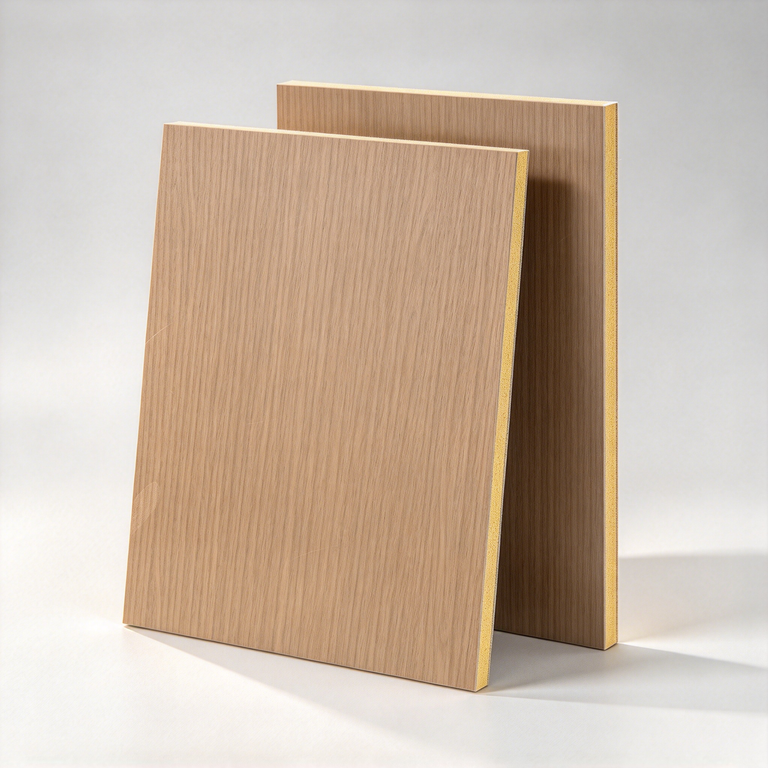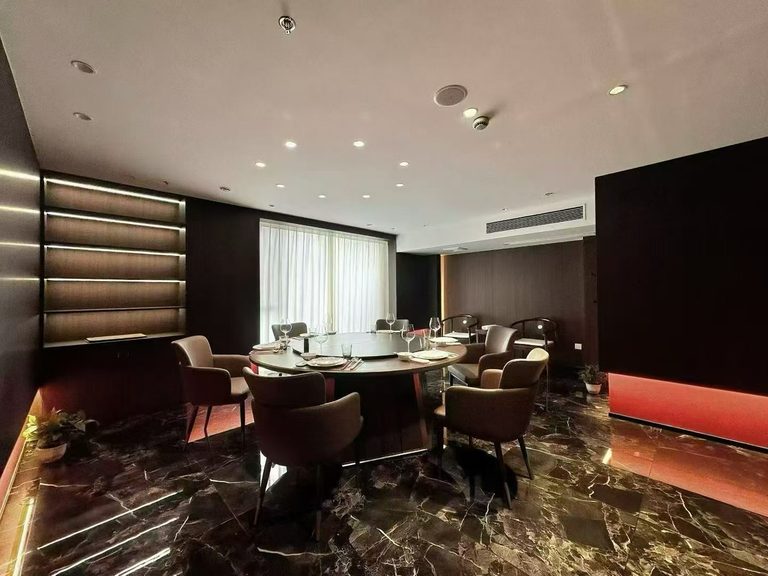
Decorative plywood panels have become a popular choice for interior designers, furniture manufacturers, construction contractors, and building material distributors seeking a combination of natural wood aesthetics, structural versatility, and cost-effective interior finishing solutions. From luxury residential interiors to commercial wall decoration, decorative plywood offers flexibility in design, finishes, and installation.
As demand for engineered wood products continues to expand across international markets, sourcing from a reliable decorative plywood panels manufacturer in China provides buyers with access to various plywood grades, wood veneer finishes, customized dimensions, and bulk manufacturing options.
China has an established plywood manufacturing industry, with manufacturers producing decorative plywood, multi-ply plywood, veneer-faced plywood, furniture-grade plywood, and engineered wood panels for domestic and international customers.
At Xuran Decoration, we recognize the importance of selecting high-quality decorative panels that meet project requirements for appearance, durability, dimensional stability, and environmental performance. Whether supplying wholesale building materials, sourcing decorative wall panels, or planning large interior projects, understanding different plywood products helps buyers select appropriate materials.
In this comprehensive guide, we explore the types of decorative plywood panels manufactured in China, their specifications, applications, advantages, customization options, and essential factors to consider when sourcing from Chinese plywood manufacturers.
What Are Decorative Plywood Panels?

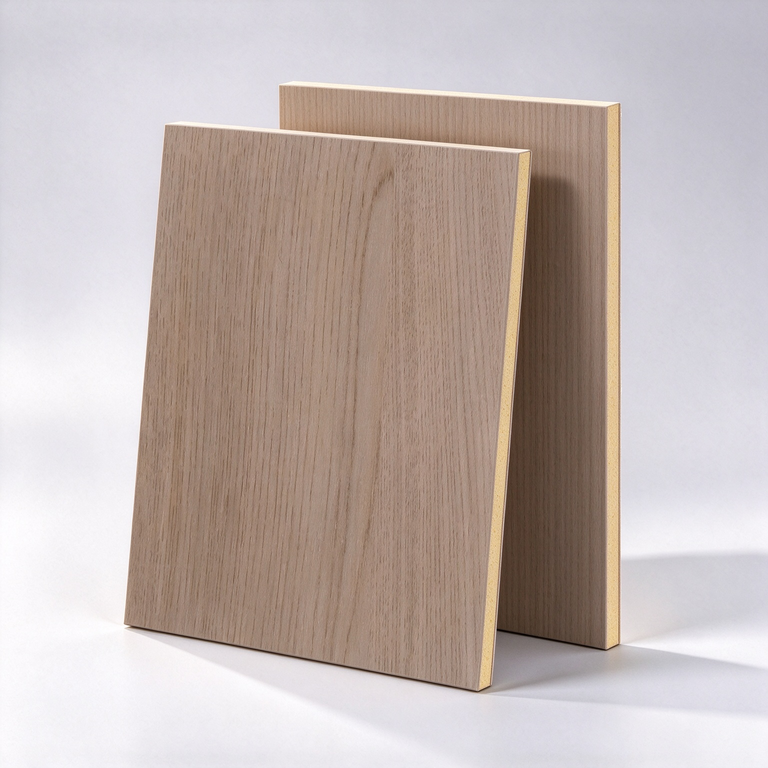
Decorative plywood panels are engineered wood sheets manufactured by bonding multiple thin layers of wood veneer together, typically with adjacent veneer grain directions arranged perpendicular to each other.
The layered construction provides improved dimensional stability compared with many solid wood products, while the decorative outer surface creates an attractive appearance suitable for visible interior applications.
Unlike ordinary construction-grade plywood, decorative plywood is selected primarily for its surface quality, consistent appearance, and finishing potential.
Manufacturers can apply different decorative veneers, coatings, or laminated surfaces to create wood panels suited to furniture, wall cladding, cabinetry, and architectural interiors.
Main Characteristics of Decorative Plywood
- Multi-layer construction: Veneer layers bonded together to create an engineered wood sheet.
- Decorative finishes: Available in natural wood veneer, engineered veneer, and selected laminated surfaces.
- Dimensional stability: Cross-laminated construction helps reduce movement compared with solid timber.
- Customizable thickness: Available in different thicknesses depending on applications.
- Versatile processing: Suitable for cutting, drilling, routing, edging, and furniture production.
- Wide applications: Used in decorative wall paneling, cabinets, interior doors, furniture, and commercial interiors.
The performance of decorative plywood depends on veneer species, core material, adhesive formulation, manufacturing quality, moisture exposure, and finishing method.
Why Source Decorative Plywood Panels From China?
China is an important global manufacturing center for engineered wood products, including plywood and decorative panels.
Chinese plywood manufacturers serve numerous industries, from furniture production to interior decoration and building materials distribution.
1. Extensive Manufacturing Capabilities
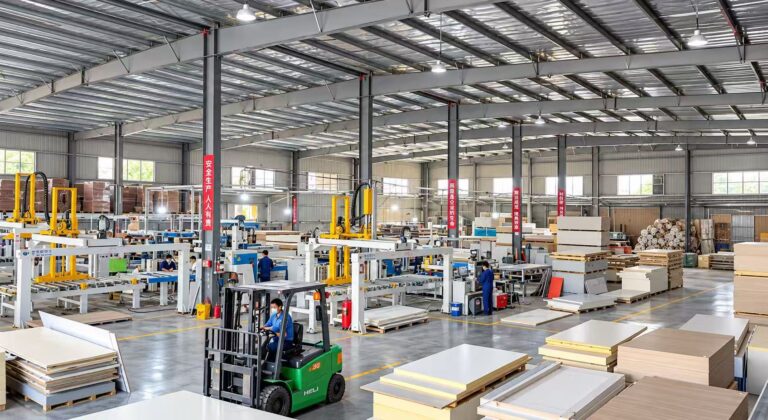
China has established manufacturing clusters with facilities capable of veneer preparation, panel assembly, hot pressing, sanding, surface finishing, and packaging.
These manufacturing capabilities allow buyers to source different decorative plywood products according to specific design and technical requirements.
2. Competitive Wholesale Pricing
One of the main reasons international buyers consider Chinese decorative plywood manufacturers is the potential for competitive factory pricing.
However, plywood costs vary according to wood species, veneer quality, panel thickness, adhesive grade, finish, order quantity, and production complexity.
Buyers should compare total landed costs rather than relying only on quoted factory prices.
3. Wide Range of Decorative Finishes
Chinese manufacturers can offer numerous surface options, including:
- Oak decorative plywood
- Walnut veneer plywood
- Birch plywood
- Ash veneer plywood
- Maple decorative plywood
- Teak-look engineered veneer plywood
- Melamine-faced plywood
- Wood-grain laminated plywood
Different finishes allow importers and interior designers to match plywood products with contemporary, traditional, industrial, or luxury architectural styles.
4. OEM and Custom Manufacturing Services
Many decorative plywood suppliers support custom manufacturing based on buyer requirements.
Customization may include panel dimensions, veneer appearance, surface color, thickness, edge finishing, and packaging.
We recommend confirming available customization options with the manufacturer before placing a bulk order.
5. Export-Oriented Production
Experienced Chinese plywood manufacturers may provide export packaging, production documentation, inspection arrangements, and shipping support for international projects.
Buyers should verify whether a supplier has previous experience exporting to their target market and understands applicable product regulations.
10 Popular Types of Decorative Plywood Panels Manufactured in China
1. Natural Wood Veneer Decorative Plywood

Natural wood veneer decorative plywood combines a plywood core with a thin layer of genuine timber veneer.
Common veneer species include oak, walnut, ash, maple, and birch.
The natural grain patterns offer a premium appearance suitable for residential interiors and high-end furniture.
Key Features
- Authentic wood textures.
- Various timber species and grain patterns.
- Suitable for staining and protective finishing.
- Compatible with furniture and wall decoration.
- Available in different veneer matching patterns.
Best Applications: Luxury wall panels, office furniture, hotel interiors, cabinet doors, and decorative partitions.
2. Multi-Ply Decorative Plywood
Multi-ply plywood is manufactured with multiple bonded veneer layers, creating an engineered panel suitable for a range of furniture and interior applications.
The number and thickness of layers depend on the product’s design and overall panel thickness.
Main Advantages
- Layered construction.
- Good dimensional stability when properly manufactured.
- Available in different thicknesses and core combinations.
- Suitable for cutting and machining.
- Can be finished with decorative veneers or laminated surfaces.
Best Applications: Furniture production, decorative wall structures, shelving, cabinetry, and interior architectural elements.
At Xuran Decoration, we offer Multi-Ply Plywood as part of our decorative material solutions.
3. Oak Veneer Decorative Plywood

Oak veneer plywood is a widely used choice for decorative interiors.
Its distinctive grain structure and relatively neutral appearance make it suitable for Scandinavian, contemporary, and traditional designs.
Key Advantages
- Natural wood appearance.
- Light and medium-tone finishing options.
- Works well with minimalist interior designs.
- Can be used for coordinated furniture and wall surfaces.
Best Applications: Living room feature walls, furniture, cabinet fronts, doors, and hospitality interiors.
4. Walnut Veneer Decorative Plywood
Walnut veneer plywood is selected for its rich brown tones and distinctive grain patterns.
It is often used in luxury interior projects where designers want a darker, sophisticated wood finish.
Key Features
- Premium decorative appearance.
- Rich natural color variation.
- Suitable for elegant architectural interiors.
- Can complement warm lighting and metallic accents.
Best Applications: Executive offices, hotel reception areas, premium cabinetry, conference rooms, and luxury residential interiors.
5. Birch Decorative Plywood
Birch plywood is valued for its relatively uniform grain and suitability for furniture and interior construction.
Depending on the product, birch may be used as the visible face veneer, within the core construction, or throughout the panel.
Main Advantages
- Smooth decorative surface.
- Suitable for machining and furniture processing.
- Available in different visual grades.
- Compatible with clear coatings and other finishes.
Best Applications: Cabinets, shelving systems, interior partitions, office furniture, and decorative joinery.
6. Melamine-Faced Decorative Plywood

Melamine-faced plywood features a decorative resin-impregnated surface applied to a plywood substrate.
These panels are available in numerous colors, patterns, and wood-inspired designs.
Key Benefits
- Consistent decorative appearance.
- Easy-to-clean surface.
- Wide range of wood-look and solid-color finishes.
- Suitable for furniture and cabinetry.
- Reduces the need for additional on-site decorative finishing.
Best Applications: Kitchen cabinets, wardrobes, office furniture, retail displays, and interior storage systems.
7. HPL Decorative Plywood
High-pressure laminate (HPL) plywood uses a decorative laminate surface bonded to a plywood substrate.
HPL finishes are often selected for environments requiring good surface wear resistance and straightforward cleaning.
Key Features
- Durable decorative laminate surface.
- Various textures and colors.
- Suitable for high-use furniture and interior elements.
- Available in wood, stone, and abstract designs.
Best Applications: Commercial furniture, retail counters, office interiors, tables, and selected wall finishes.
8. Fire-Retardant Decorative Plywood
Fire-retardant plywood is designed or treated to achieve specific fire-performance characteristics.
It is frequently considered for commercial spaces, public buildings, and projects where building regulations establish fire requirements.
Key Considerations
- Fire performance depends on the specific treatment and product.
- Certification should match the applicable local standard.
- Decorative finishes may affect the classification of the complete product.
- Test documentation must be verified before procurement.
Best Applications: Commercial interiors, hospitality environments, and regulated building projects where compliant products are required.
Fire-retardant plywood should not be described as fireproof. Buyers must verify the tested classification and suitability for their intended use.
9. Moisture-Resistant Decorative Plywood
Moisture-resistant decorative plywood is manufactured using adhesive systems and materials selected for improved performance in humid environments.
However, moisture-resistant plywood is not necessarily suitable for continuous water exposure.
Key Advantages
- Suitable for selected humid interior environments.
- Available with decorative wood veneer surfaces.
- Useful for furniture and interior construction.
- Multiple adhesive and panel grades are available.
Best Applications: Kitchen furniture, interior cabinetry, utility spaces, and other applications where occasional humidity is expected.
10. Engineered Veneer Decorative Plywood
Engineered veneer plywood, sometimes called reconstructed veneer plywood, uses processed natural wood veneers arranged to create more consistent colors and grain patterns.
This material can help manufacturers achieve a coordinated decorative appearance across multiple panels.
Key Features
- Consistent surface appearance.
- Repeating decorative grain patterns.
- Wide range of color options.
- Suitable for large interior projects.
- Useful for standardized furniture production.
Best Applications: Hotel interiors, commercial wall paneling, office furniture, retail displays, and coordinated architectural finishes.
Decorative Plywood Panel Specifications and Available Sizes
When purchasing decorative plywood panels directly from a Chinese manufacturer, understanding product specifications is essential for choosing the appropriate materials.
Specifications determine whether plywood is suitable for furniture manufacturing, wall cladding, architectural decoration, or other interior applications.
Common Decorative Plywood Specifications
| Specification | Common Options |
|---|---|
| Product Type | Decorative plywood, veneer plywood, multi-ply plywood |
| Standard Sheet Size | 1220 × 2440 mm (4 × 8 ft) |
| Other Sizes | 1220 × 3050 mm, custom sizes |
| Common Thicknesses | 3, 5, 9, 12, 15, 18, 21 mm |
| Core Materials | Poplar, eucalyptus, birch, mixed hardwood |
| Surface Finishes | Oak, walnut, ash, maple, engineered veneer |
| Surface Treatment | Sanded, painted, laminated, UV-coated |
| Adhesive Options | Grades suitable for specified service conditions |
| Formaldehyde Requirements | E1 or other specified classifications; TSCA Title VI where applicable |
| Applications | Wall decoration, furniture, cabinetry, commercial interiors |
Specifications are illustrative industry options rather than a verified catalog for Xuran Decoration. Exact dimensions, available finishes, and compliance documentation should be confirmed before ordering.
How to Choose the Right Plywood Thickness
Different decorative applications require different plywood thicknesses.
3–5 mm decorative plywood is generally more suitable for lightweight decorative layers and properly supported interior finishes.
9–12 mm plywood may be appropriate for certain wall paneling, cabinet components, and decorative partitions.
15–18 mm plywood is commonly considered for furniture, shelving, cabinetry, and applications requiring greater rigidity.
21 mm and thicker plywood may be selected for specialized furniture and construction applications, subject to design requirements.
The correct thickness depends on span, loading, fastening method, substrate, and the plywood’s tested mechanical properties.
Decorative Plywood Panels vs Other Wall Panel Materials
Decorative plywood is one of several materials used in modern interior wall design. Understanding how it compares with WPC, PVC, MDF, and solid wood can help buyers identify the most practical option.
| Material | Main Advantages | Best Applications |
|---|---|---|
| Decorative Plywood | Natural wood appearance, layered construction | Wall paneling, furniture, cabinets |
| WPC Wall Panels | Decorative profiles, relatively low maintenance | Living rooms, offices, hotels |
| PVC Wall Panels | Lightweight, easy cleaning, moisture resistance | Bathrooms, kitchens |
| MDF Wall Panels | Smooth paintable surface, easy machining | Decorative molding, painted walls |
| Natural Solid Wood | Authentic grain, refinishing potential | Luxury interiors, custom joinery |
Decorative Plywood vs WPC Wall Panels
Decorative plywood is an excellent option when projects require real wood veneer, engineered wood construction, or custom woodworking.
WPC wall panels are often preferred for decorative profiles, wood-look finishes, and interiors requiring convenient routine maintenance.
At Xuran Decoration, we provide access to decorative building materials, including WPC wall panels, for different architectural design requirements.
Decorative Plywood vs MDF Panels
Plywood is manufactured using bonded veneer layers, while MDF is produced from compressed wood fibers and resin.
Plywood generally provides better screw-holding characteristics and performance under certain bending loads, although results depend on the grade and construction.
MDF offers a smooth surface that is particularly useful for painted decorative panels and detailed machining.
Decorative Plywood vs Solid Wood
Solid wood provides authentic grain and can be refinished depending on thickness and surface treatment.
Decorative plywood uses an engineered core, which can offer improved dimensional stability and more economical use of valuable decorative timber.
For large wall surfaces, decorative veneer plywood may help achieve a consistent appearance while reducing reliance on thick solid hardwood boards.
Applications of Decorative Plywood Panels

Decorative plywood has numerous applications throughout residential, commercial, and hospitality projects.
1. Residential Interior Wall Decoration
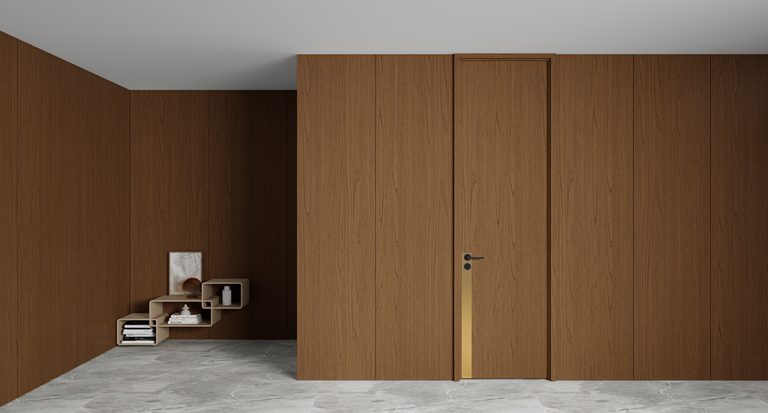
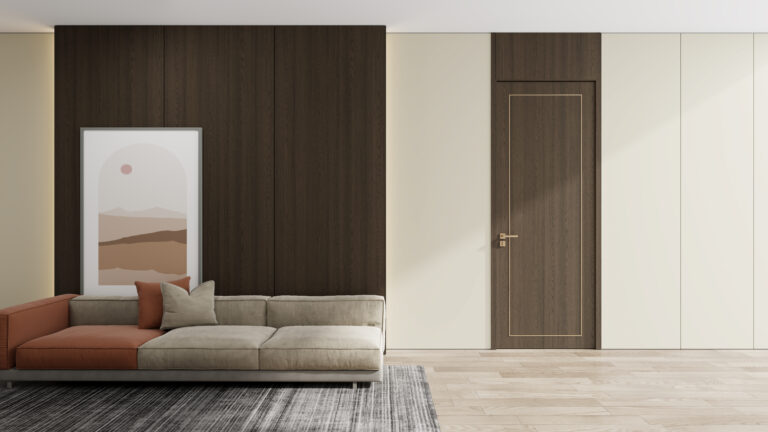
Decorative plywood panels can transform ordinary walls into elegant architectural features.
Wood veneer panels add warmth and texture to living rooms, bedrooms, dining rooms, and home offices.
Oak and birch finishes work particularly well in minimalist interiors, while walnut veneers complement darker, more luxurious decorative schemes.
2. Hotel and Hospitality Interiors
Hotels frequently use decorative wood panels to create welcoming and sophisticated environments.
Plywood wall treatments can be incorporated into guest room headboards, reception walls, corridor features, and restaurant interiors.
For hospitality projects, we recommend selecting materials with appropriate fire-performance documentation, surface durability, and cleaning characteristics.
3. Office Wall Paneling
Decorative plywood provides a professional appearance suitable for conference rooms, reception areas, executive offices, and shared working spaces.
Wood veneer panels can also be combined with glass partitions, metal trims, and integrated lighting to create modern office interiors.
4. Furniture and Cabinet Manufacturing
Furniture manufacturers use decorative plywood to produce wardrobes, cabinets, shelves, display furniture, and interior storage systems.
The engineered construction allows plywood to be machined into various furniture components.
For visible surfaces, veneer quality and consistent grain matching are especially important.
5. Retail Stores and Commercial Spaces
Decorative plywood can be used in retail displays, shelving systems, feature walls, and store fixtures.
Its versatility allows designers to create coordinated interiors across multiple commercial locations.
How Decorative Plywood Panels Are Manufactured in China
Manufacturing quality directly affects plywood durability, surface appearance, and suitability for decorative applications.
The production process generally involves several important stages.

Step 1: Wood Veneer Preparation
Logs are processed into thin veneers using rotary peeling or slicing equipment. Veneer thickness and wood species are selected according to product specifications.

Step 2: Veneer Drying and Sorting
Veneers are dried to the appropriate moisture level and inspected for defects. Proper moisture control helps improve bonding consistency and reduce dimensional problems.

Step 3: Adhesive Application and Layer Assembly
Adhesive is applied to the veneers, which are then assembled in layers. Grain direction is commonly alternated to improve panel stability.

Step 4: Hot Pressing
The assembled plywood is pressed under controlled temperature and pressure to bond the veneer layers. Pressing parameters depend on the adhesive formulation and panel construction.

Step 5: Sanding and Surface Finishing
After pressing, panels may be trimmed, calibrated, sanded, and finished with decorative veneers or surface coatings.

Step 6: Quality Inspection and Packaging
Finished panels are checked for dimensions, surface appearance, bonding quality, and other agreed requirements before being packaged for domestic distribution or export.
Quality Standards and Certifications for Decorative Plywood Panels
When importing plywood from China, product certification and quality testing deserve particular attention.
Different markets may impose different requirements concerning formaldehyde emissions, product performance, labeling, and building applications.
Formaldehyde Emission Requirements
Decorative plywood may contain adhesives that release formaldehyde. Emissions should be evaluated using applicable regulatory requirements and recognized test methods.
For the United States, covered hardwood plywood with veneer or composite cores is subject to the EPA TSCA Title VI formaldehyde emission limit of 0.05 ppm, with specified testing and certification requirements.
For European and other markets, buyers may encounter classifications and testing requirements based on applicable EN or ISO standards.
Decorative Plywood Product Standards
ISO 13608:2014 specifically covers decorative veneered plywood with certain thin decorative veneer surfaces. The standard includes classifications, requirements, test methods, and marking provisions.
Plywood — Decorative veneered plywood
Other relevant standards may include plywood bond-quality testing under EN 314-2 and formaldehyde testing under applicable EN or ISO methods.
We recommend requesting complete test reports rather than accepting unsupported claims such as “100% eco-friendly,” “formaldehyde-free,” or “fireproof.”
How to Find a Reliable Decorative Plywood Panels Manufacturer in China
Choosing a supplier requires more than comparing product photographs and prices.
International buyers should evaluate factory capabilities, material quality, production consistency, export experience, and communication.
1. Verify Manufacturer Information
Confirm the company’s legal business identity, factory address, manufacturing capabilities, and product specialization.
A genuine manufacturer should be able to explain its production process and provide information about its quality control procedures.
2. Request Decorative Plywood Samples
Before placing a large wholesale order, request samples of the required products.
Evaluate veneer quality, surface finish, color consistency, thickness, and edge construction.
Samples should represent the same grade and specifications intended for bulk production.
3. Check Panel Construction and Adhesive Quality
Not all decorative plywood is manufactured to the same quality level.
Ask the supplier about:
- Core wood species
- Number and thickness of plies
- Face and back veneer grades
- Adhesive type
- Moisture performance
- Formaldehyde emission documentation
- Bonding quality and delamination resistance
4. Confirm OEM and Customization Capabilities
For wholesale distributors and project contractors, customization may be an important sourcing requirement.
Discuss custom panel dimensions, veneer designs, color matching, packaging, labeling, and surface treatments with the manufacturer.
5. Review Packaging and Shipping Arrangements
Plywood panels can be damaged by moisture, impact, or improper stacking during transportation.
Suitable export packaging may include protective wrapping, reinforced pallets, corner protection, and moisture management measures.
6. Arrange Pre-Shipment Inspection
Third-party inspection can help verify the goods before they leave the factory.
Inspections may include quantity verification, dimensional checks, visual grading, packaging review, and additional agreed tests.
For larger orders, we recommend setting measurable acceptance criteria before production begins.
Decorative Plywood Panels Wholesale Pricing From China
The price of decorative plywood depends on several manufacturing and commercial factors.
| Pricing Factor | Influence on Cost |
|---|---|
| Wood Species | Premium veneers generally cost more |
| Panel Thickness | Thicker panels require more material |
| Core Composition | Different timber cores have different costs |
| Veneer Grade | Higher visual grades command higher prices |
| Surface Finish | Additional finishing processes increase costs |
| Order Quantity | Larger orders may reduce per-unit manufacturing costs |
| Certifications and Testing | Compliance testing adds cost |
| Packaging | Export protection affects landed cost |
| Shipping Terms | FOB, CIF, and other terms affect quoted pricing |
Prices should be compared using the same technical specifications.
For example, an 18 mm walnut veneer plywood sheet should not be compared directly with a 12 mm engineered-veneer plywood sheet simply because both are described as decorative plywood.
When requesting quotations, specify the desired Incoterm, destination, quantity, grade, and testing requirements.
How to Import Decorative Plywood Panels From China
Importing decorative plywood involves supplier selection, product verification, logistics planning, and customs clearance.
We recommend the following sourcing process:
- Define product requirements. Specify plywood dimensions, thickness, veneer species, surface finish, adhesive grade, and intended application.
- Request factory quotations. Compare offers based on identical specifications and commercial terms.
- Approve samples. Confirm appearance, construction, and product quality before mass production.
- Review compliance documents. Check emissions, timber-origin documentation, and other requirements applicable to the destination.
- Confirm production and payment terms. Establish the purchase contract, inspection terms, and delivery schedule.
- Inspect the completed order. Verify product quality and packaging before shipment.
- Arrange international shipping. Select appropriate freight arrangements based on cargo volume, weight, and destination.
- Complete customs clearance. Prepare commercial documents and satisfy import requirements before distributing the plywood.
Important Considerations for Importers
Tariff treatment, trade remedies, and import restrictions can affect plywood sourcing costs.
For example, Canada made preliminary dumping and subsidy determinations concerning certain decorative and other non-structural plywood from China on August 24, 2026. Buyers importing into Canada should verify the current scope and status of applicable measures before shipment.
Importers should also verify country-specific rules concerning timber legality, traceability, labeling, and product emissions.
Why Choose Xuran Decoration for Decorative Wall Panel Solutions?
At Xuran Decoration, we understand the needs of interior designers, contractors, distributors, and international buyers searching for attractive decorative materials.
Our focus is on helping customers identify suitable wall decoration products for modern residential and commercial spaces.
A Range of Decorative Building Materials
Our product offering includes decorative wall panel solutions for different interior applications, including WPC wall panels and plywood-related products.
Buyers can explore available styles and product descriptions through our website.
Solutions for Residential and Commercial Projects
Different environments require different surface finishes and material characteristics.
We help customers consider product suitability for residential feature walls, hospitality interiors, office spaces, and commercial decoration.
Support for Wholesale and Project Enquiries
For larger projects, buyers should provide technical drawings, dimensions, quantities, finishing requirements, and destination details so product suitability and commercial terms can be evaluated.
Decorative Design Options
From modern wood-look panels to engineered decorative materials, suitable wall panels can enhance interior architecture with texture, warmth, and coordinated finishes.
Explore Xuran Decoration to learn more about our decorative wall panel products and submit your project requirements.
Frequently Asked Questions About Decorative Plywood Panels Manufacturers in China
1. What Are Decorative Plywood Panels Used For?
Decorative plywood panels are widely used for interior wall decoration, furniture manufacturing, cabinets, office interiors, hotel projects, and commercial architectural finishes.
2. Is China a Good Country for Buying Decorative Plywood?
China offers an established manufacturing base and access to numerous engineered wood products.
Buyers should assess individual manufacturers based on production capabilities, materials, product quality, certifications, and export experience.
3. What Is the Standard Size of Decorative Plywood in China?
A common sheet size is 1220 × 2440 mm, equivalent to approximately 4 × 8 feet. Other dimensions and custom sizes may be available depending on the manufacturer.
4. What Is the Best Decorative Plywood for Wall Panels?
Oak and walnut veneer plywood are popular for decorative feature walls. Birch and engineered veneer panels may also be suitable.
The best selection depends on design preferences, substrate conditions, material grade, and budget.
5. Can Decorative Plywood Be Customized?
Yes. Many manufacturers offer customization for thickness, dimensions, veneer appearance, finishes, and packaging.
Availability and minimum order quantities vary between factories.
6. Is Decorative Plywood Waterproof?
Most ordinary decorative plywood is not waterproof.
Specialized plywood products may offer improved moisture resistance, but buyers should verify the adhesive bond classification and suitability for the intended environment.
7. What Is the Difference Between Decorative Plywood and Ordinary Plywood?
Decorative plywood emphasizes visible surface quality, wood grain appearance, and finishing suitability.
Ordinary plywood may be selected primarily for concealed structural, construction, or general-purpose applications.
8. Can Decorative Plywood Be Used in Hotels and Commercial Buildings?
Yes, provided the material meets the project’s performance and regulatory requirements.
For commercial interiors, relevant considerations include fire classification, durability, emissions, and installation specifications.
9. How Can I Check the Quality of Decorative Plywood From China?
Request physical samples, detailed specifications, quality test reports, and production information.
For large orders, independent inspection can help confirm that the delivered panels match the agreed requirements.
10. Where Can I Find Decorative Plywood Panels in China?
International buyers can contact manufacturers, export suppliers, and decorative building material companies specializing in engineered wood products.
Xuran Decoration provides product information and enquiry options through wallpanelfactory.com.
Conclusion: Source Decorative Plywood Panels From China With Confidence
Decorative plywood panels are an adaptable material for modern interior design, combining engineered wood construction with attractive surface finishes.
From natural oak and walnut veneer plywood to multi-ply panels, melamine-faced boards, and customized decorative products, Chinese manufacturers offer numerous sourcing possibilities for international buyers.
Selecting the right decorative plywood panels manufacturer in China requires careful evaluation of product specifications, veneer quality, adhesive performance, applicable certifications, and manufacturing consistency.
At Xuran Decoration, we understand the importance of decorative materials that balance appearance and practical requirements. Our product range supports buyers exploring modern wall panel finishes and engineered decorative material options for residential and commercial projects.
Looking for decorative plywood panels or modern wall cladding solutions? Explore our Multi-Ply Plywood and decorative wall panel collections to find products for your next interior decoration or wholesale sourcing project.