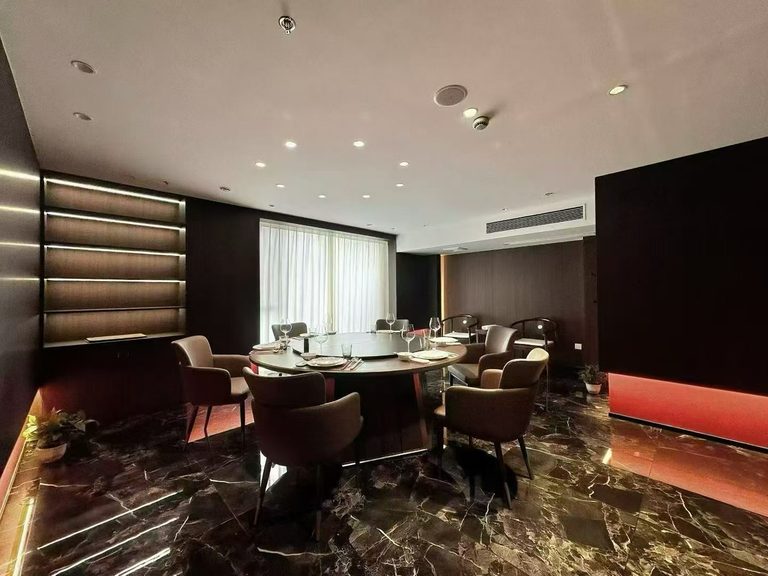
Wall cladding panels are an increasingly popular solution for improving the appearance, durability, and functionality of interior and exterior walls. Whether used in residential buildings, commercial properties, hotels, offices, or architectural projects, wall cladding panels provide a practical way to transform ordinary surfaces into attractive, modern finishes.
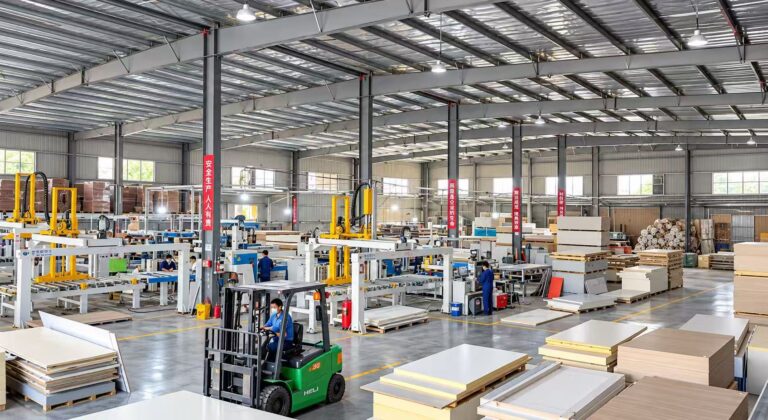
At Xuran Decoration, we manufacture decorative wall panels designed for different architectural styles and project requirements. Our range includes WPC wall cladding panels, PVC wall panels, carbon crystal panels, and other decorative wall solutions. We focus on providing dependable products, a wide selection of finishes, and factory-direct manufacturing services for contractors, distributors, wholesalers, and property developers.
In this guide, we explain the different types of wall cladding panels, their benefits, applications, installation considerations, and the important factors to evaluate when choosing the right material.
What Is a Wall Cladding Panel?
A wall cladding panel is a decorative or protective material installed over an existing wall or suitable support structure. Wall cladding can improve a building’s appearance while providing additional surface protection against everyday wear and environmental exposure.
Wall cladding panels are manufactured from different materials, including wood-plastic composite (WPC), PVC, fiber cement, aluminum, natural wood, and engineered decorative materials.
Unlike traditional painted or wallpapered surfaces, many cladding systems incorporate textured finishes, dimensional patterns, and specialized surface treatments.
Wall cladding can be divided into two primary categories:
- Interior wall cladding panels: Designed for indoor spaces, including living rooms, bedrooms, hotels, offices, retail stores, and commercial interiors.
- Exterior wall cladding panels: Engineered for outdoor installations, including building facades, exterior feature walls, balconies, and architectural elevations.
The appropriate material depends on the installation environment, technical specifications, desired finish, and maintenance requirements.
Types of Wall Cladding Panels
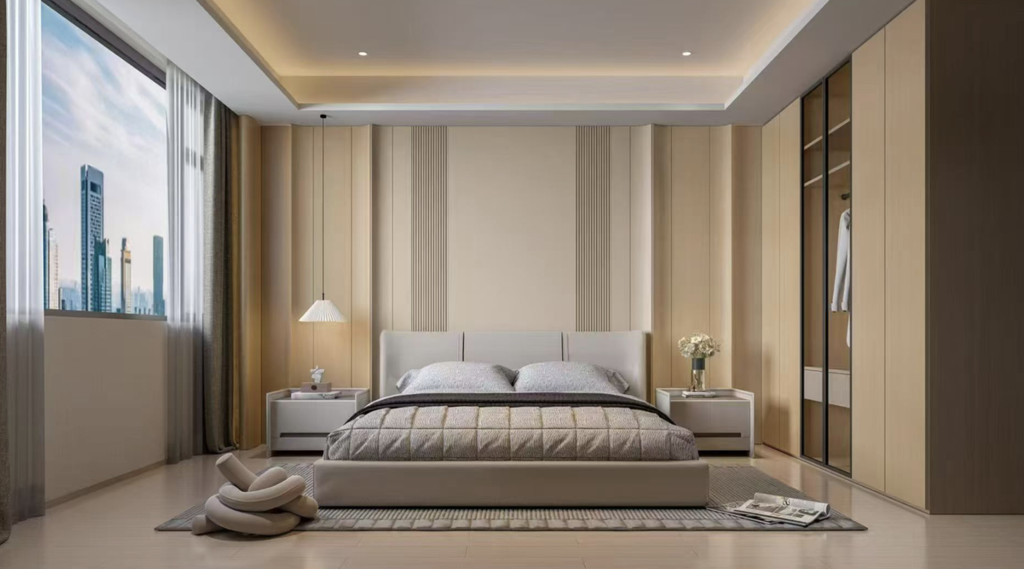
Different wall cladding materials provide distinctive advantages. Understanding their characteristics helps homeowners, designers, contractors, and wholesale buyers select suitable products.
1. WPC Wall Cladding Panels
Wood Plastic Composite (WPC) wall cladding panels combine polymer materials with wood-based or other fillers, depending on the product formulation.
WPC panels are widely used in modern decorative applications because they can reproduce the visual character of natural wood while offering practical maintenance advantages.
Key benefits of WPC wall cladding:
- Attractive wood-grain and contemporary decorative finishes.
- Moisture-resistant options for suitable environments.
- Durable surfaces for everyday residential and commercial use.
- Convenient cleaning and routine maintenance.
- A variety of colors, textures, and profiles.
- Options for both interior and exterior applications when specifically engineered for those conditions.
At Xuran Decoration, we provide WPC wall panels for decorative projects requiring durable surfaces and modern visual appeal.
We also recognize that interior WPC panels and exterior-grade WPC cladding are not interchangeable. Outdoor applications require products designed and tested for relevant weather exposure, temperature variations, and installation conditions.
2. PVC Wall Cladding Panels
PVC wall cladding panels are manufactured using polyvinyl chloride and are commonly selected for their decorative flexibility, lightweight construction, and moisture-resistant characteristics.
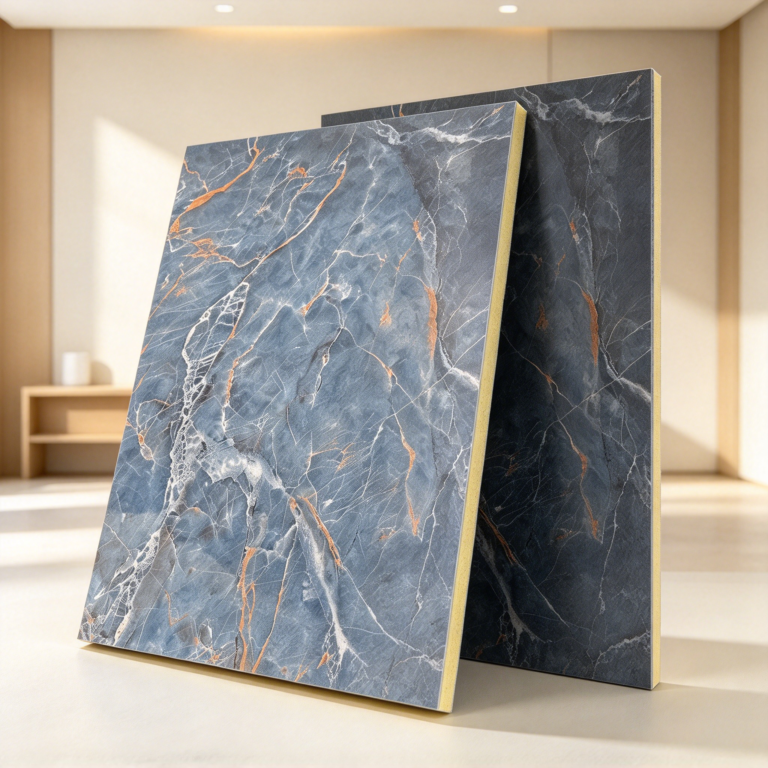
They are available in numerous designs, including marble-effect surfaces, glossy finishes, and contemporary decorative patterns.
PVC wall panels are frequently used in:
- Bathrooms and suitable interior wet-area applications.
- Kitchens and utility rooms.
- Commercial interior renovations.
- Hotels and hospitality properties.
- Decorative residential feature walls.
PVC panels can simplify cleaning compared with some porous traditional finishes. However, installation in showers or other wet areas requires a suitable, specified waterproofing and joint-sealing system. The decorative panels alone should not be assumed to provide complete waterproof protection.
3. Carbon Crystal Wall Panels
Carbon crystal wall panels are engineered decorative panels designed for modern interior wall applications.
Depending on their construction, they can incorporate multiple layers, including a decorative surface film, rigid supporting layers, and a composite core.
These panels are popular for their smooth finishes and selection of wood, stone, and contemporary decorative patterns.
We provide carbon crystal wall panel options suitable for various residential and commercial interiors.
Their applications include living room feature walls, bedroom backgrounds, office interiors, retail environments, and hospitality spaces.
When selecting carbon crystal panels, we recommend reviewing the exact product structure, thickness, surface characteristics, and installation requirements rather than assuming every product offers identical performance.
4. Fiber Cement Wall Cladding Panels
Fiber cement cladding combines cementitious materials with reinforcing fibers to produce durable architectural panels.
It is commonly used for exterior wall systems because suitable products can provide excellent dimensional stability and resistance to weather exposure.
Fiber cement panels can reproduce different textures, including smooth concrete, stone-inspired surfaces, and contemporary architectural finishes.
These panels are particularly relevant to commercial building exteriors, modern residential facades, and ventilated rainscreen systems.
Installation requires appropriate substructures, compatible fixings, and compliance with applicable building regulations.
5. Metal Wall Cladding Panels
Metal cladding panels are frequently manufactured using aluminum, steel, or other architectural metals.
They provide a modern appearance and can be produced in different colors, coatings, profiles, and surface treatments.
Metal cladding is used extensively on office buildings, retail developments, industrial facilities, and contemporary architectural facades.
Material selection should account for corrosion exposure, coating durability, thermal movement, and fire-performance requirements.
Benefits of Installing Wall Cladding Panels
Improved Architectural Appearance
One of the most important advantages of wall cladding is its decorative versatility.
Modern cladding panels are available in realistic wood-grain patterns, marble-inspired textures, solid colors, metallic finishes, and three-dimensional designs.
We offer decorative solutions that allow designers and buyers to coordinate wall finishes with flooring, furniture, lighting, and other interior elements.
Additional Wall Surface Protection
Cladding can protect underlying surfaces from everyday contact, scratches, and general wear.
For high-traffic commercial interiors, appropriately specified impact-resistant panels can help reduce visible damage caused by routine use.
The level of protection depends on panel construction, material thickness, surface finish, and installation quality.
Convenient Cleaning and Maintenance
Many decorative wall cladding panels have easy-care surfaces that can be cleaned with a soft cloth and suitable mild cleaning products.
Compared with materials requiring regular painting or refinishing, some cladding products offer lower routine maintenance requirements.
We recommend following the manufacturer’s cleaning guidance to avoid damaging decorative coatings.
Flexible Decorative Applications
Wall cladding panels can be used to create both subtle and visually prominent features.
They can cover an entire wall or highlight selected architectural areas, including reception desks, television backgrounds, corridors, and decorative partitions.
Potential Long-Term Value
Durable wall cladding can reduce the frequency of cosmetic repairs when the correct product is selected and installed.
However, service life and maintenance costs vary according to material quality, usage, environmental conditions, and installation standards.
Interior vs. Exterior Wall Cladding Panels
Although both types enhance wall surfaces, interior and exterior wall cladding panels have different performance requirements.
| Feature | Interior Wall Cladding | Exterior Wall Cladding |
|---|---|---|
| Main purpose | Decorative enhancement and surface protection | Facade finishing and weather exposure protection as part of a wall system |
| Common materials | WPC, PVC, carbon crystal, wood | Exterior WPC, fiber cement, metal, natural stone |
| Weather resistance | Depends on indoor environmental conditions | Must suit outdoor exposure |
| UV resistance | Usually less critical | Important for exposed facades |
| Installation | Adhesives, clips, or mechanical fixings depending on product | Engineered support and fastening systems |
| Applications | Homes, hotels, offices, shops | Building facades, outdoor walls, architectural exteriors |
Selecting an interior decorative panel for an exterior facade without verified outdoor suitability can lead to premature deterioration or installation failure.
For this reason, we recommend confirming the intended application before purchasing.
Popular Applications of Decorative Wall Cladding Panels
Residential Interior Decoration
Wall cladding panels are widely used to improve the design of living rooms, bedrooms, dining areas, and entrance halls.
Wood-look WPC panels can create warm, natural-looking interiors, while stone-effect decorative panels can complement modern minimalist designs.
Hotel and Hospitality Projects
Hotels require decorative wall finishes that balance appearance, durability, and practical maintenance.
We provide panel options for guest rooms, reception areas, corridors, and selected common spaces.
For hospitality projects, the selected product must also satisfy the relevant fire-safety and building requirements.
Office and Commercial Spaces
Commercial interiors benefit from coordinated wall finishes that support brand identity and create a professional appearance.
Decorative panels are frequently incorporated into reception areas, conference rooms, private offices, and common spaces.
Retail Stores and Showrooms
Retail environments often use wall cladding to introduce texture, improve display backgrounds, and create visually engaging spaces.
Depending on the project, designers may combine different panel finishes to distinguish product display zones and customer areas.
Exterior Architectural Facades
Exterior wall cladding panels can enhance a building’s appearance while forming part of a properly designed facade assembly.
Exterior-grade WPC, fiber cement, and metal cladding are among the materials used in contemporary architectural projects.
How to Install Wall Cladding Panels
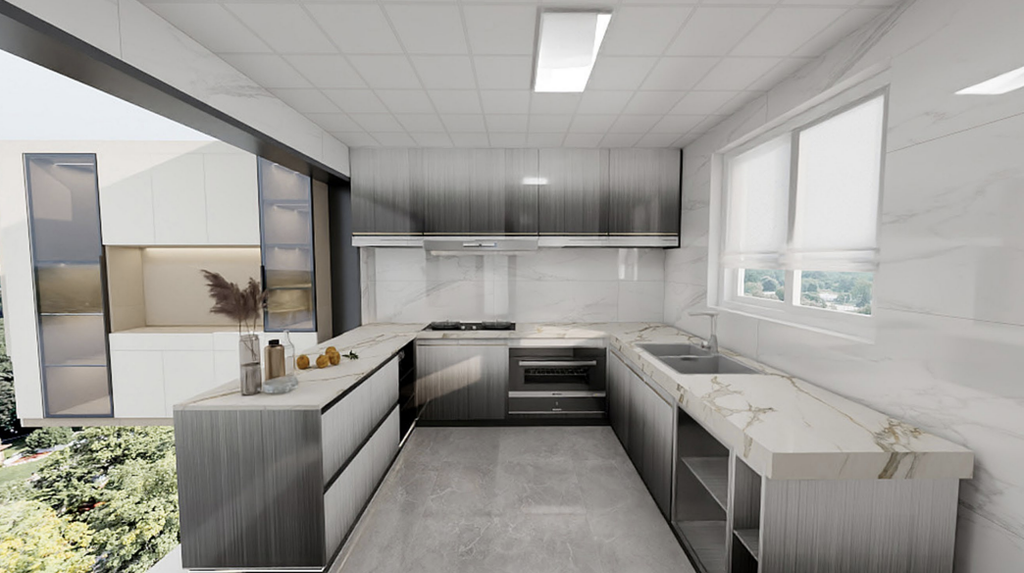
Proper installation is essential for achieving a consistent finish and reliable long-term performance.
The installation method varies according to the product, substrate, wall assembly, and project environment.
Step 1: Inspect and Prepare the Wall
Before beginning installation, we recommend checking the wall for structural stability, excessive unevenness, moisture problems, and damaged surfaces.
Any defects that could compromise the installation should be corrected first.
Step 2: Measure the Installation Area
Measure wall dimensions carefully and identify doors, windows, corners, electrical outlets, and other architectural features.
Calculate the number of panels required based on their effective coverage dimensions, including an appropriate allowance for cutting and material waste.
Step 3: Plan the Panel Layout
Determine whether panels will be installed horizontally, vertically, or in a specific decorative arrangement.
Consider pattern continuity, joint placement, visible edges, and finishing accessories.
A well-planned layout improves material utilization and helps achieve consistent visual alignment.
Step 4: Install the Required Support System
Some interior panels may be installed using approved adhesives on suitable substrates. Others require clips, battens, or mechanical fasteners.
Exterior cladding generally needs an appropriately designed support system with provisions for water management, drainage, ventilation, and thermal movement.
The cladding itself should not be treated as a replacement for the building’s required water-resistive barrier.
Step 5: Fix the Wall Cladding Panels
Install each panel according to the manufacturer’s specified fastening method.
Maintain the required spacing, alignment, and movement allowances.
Do not install composite panels tightly against fixed structures when expansion gaps are required.
Step 6: Finish Corners and Edges
Install suitable trims and finishing accessories around exposed edges, corners, openings, and transitions.
Inspect the completed installation for alignment, secure attachment, and any visible surface defects.
For more information, review our wall panel installation guide.
How to Choose the Best Wall Cladding Panel
Choosing the right wall cladding panel involves more than selecting an attractive color.
We recommend evaluating several factors before placing an order.
Application environment: Determine whether the panels will be installed indoors, outdoors, or in an area with elevated moisture exposure.
Panel material: Compare WPC, PVC, carbon crystal, fiber cement, and other materials according to the project’s requirements.
Surface finish: Choose textures and colors that complement the overall architectural design.
Material thickness and structure: Review the product’s technical specifications to ensure it is suitable for the expected usage and installation method.
Safety and compliance: Confirm applicable fire classifications, material tests, and relevant building requirements. Request supporting reports for the exact product and intended use.
Supplier reliability: Work with a manufacturer capable of providing consistent specifications, dependable production, and clear product documentation.
Why Buy Wall Cladding Panels Directly From a China Manufacturer?
China is a major manufacturing center for decorative wall panels and building finishing materials.
Buying directly from a manufacturer can offer commercial advantages for wholesalers, distributors, contractors, and importers.
Factory-Direct Sourcing
At Xuran Decoration, we manufacture decorative wall panel products and work directly with customers on sourcing requirements.
Direct communication can simplify discussions about material selection, product dimensions, decorative finishes, and order specifications.
Wide Selection of Decorative Finishes
Different markets require different interior design styles.
We provide decorative finishes suitable for traditional, contemporary, minimalist, and commercially oriented environments.
Buyers can discuss available wood-grain, stone-effect, solid-color, and other decorative surface options.
Bulk Purchasing Support
We support customers purchasing wall panels for wholesale distribution, construction projects, and commercial applications.
For bulk orders, we recommend confirming quantity requirements, packaging specifications, lead times, and shipping arrangements before production.
Product Quality and Inspection
Consistent quality is particularly important for projects requiring numerous panels with matching finishes.
We recommend confirming approved samples, dimensional tolerances, surface consistency, packaging requirements, and inspection criteria before placing large orders.
Frequently Asked Questions About Wall Cladding Panels
What Is the Best Material for Wall Cladding Panels?
The best material depends on the application. WPC and PVC can be suitable for many interior decorative projects, while specially engineered exterior WPC, fiber cement, and metal panels are common options for outdoor cladding.
Are Wall Cladding Panels Waterproof?
Water resistance varies by product. Some panels resist moisture, but that does not automatically make the complete wall installation waterproof. Wet-area and exterior applications require appropriate joints, sealing, drainage, and underlying wall protection.
Can Wall Cladding Panels Be Installed Over Existing Walls?
Many interior decorative panels can be installed over suitable existing surfaces. However, the wall must be structurally sound and compatible with the selected installation method. Exterior cladding may require a dedicated support system.
How Long Do Wall Cladding Panels Last?
The lifespan depends on material quality, environmental conditions, maintenance, and installation. Properly specified and installed panels can provide many years of service, but buyers should evaluate the manufacturer’s product-specific performance information and warranty terms.
Are WPC Wall Cladding Panels Suitable for Outdoor Use?
Exterior-grade WPC cladding can be suitable for outdoor applications when designed for the expected environmental conditions. Interior WPC decorative panels should not be used outdoors unless their technical specifications explicitly permit it.
Can Wall Cladding Panels Be Customized?
Customization options depend on the manufacturer and product type. At Xuran Decoration, we can discuss available decorative finishes, dimensions, order quantities, and project-specific sourcing requirements.
Conclusion: Choose Quality Wall Cladding Panels From Xuran Decoration
Wall cladding panels provide an effective way to enhance architectural surfaces through attractive finishes, practical wall protection, and versatile design possibilities.
From decorative WPC wall cladding panels to PVC and carbon crystal wall solutions, selecting the correct material is essential for achieving the desired appearance and performance.
At Xuran Decoration, we focus on manufacturing decorative wall panels for residential, commercial, hospitality, and wholesale applications. We help buyers evaluate available materials, surface finishes, and product specifications to identify suitable solutions for their projects.
Whether you are a building contractor, interior designer, importer, distributor, or property developer, we welcome inquiries about our wall panel products and manufacturing capabilities.
Looking for a reliable wall cladding panel manufacturer in China?
Contact Xuran Decoration to discuss your project requirements, request product information, and obtain a factory-direct quotation.