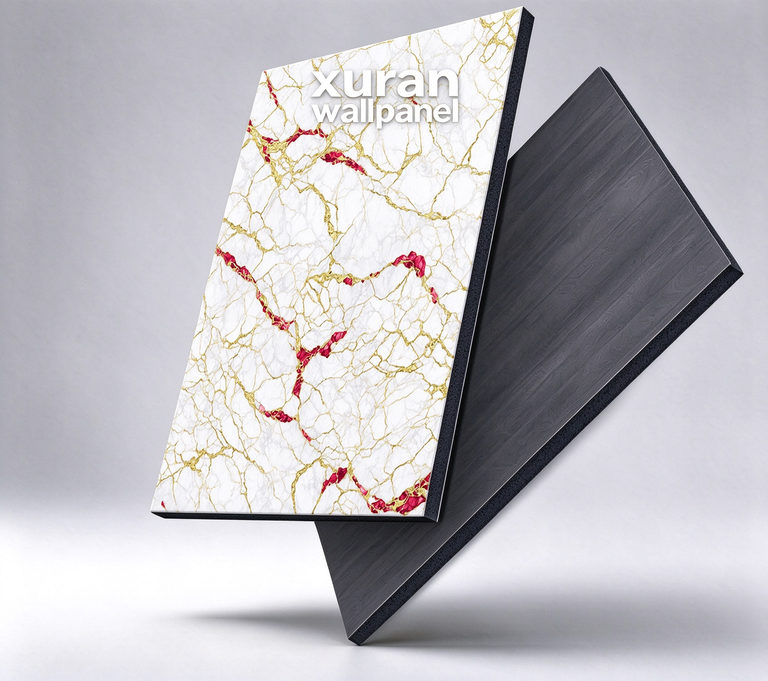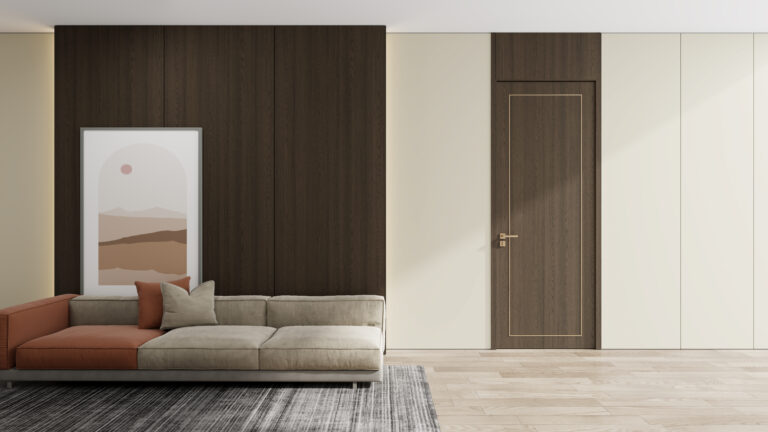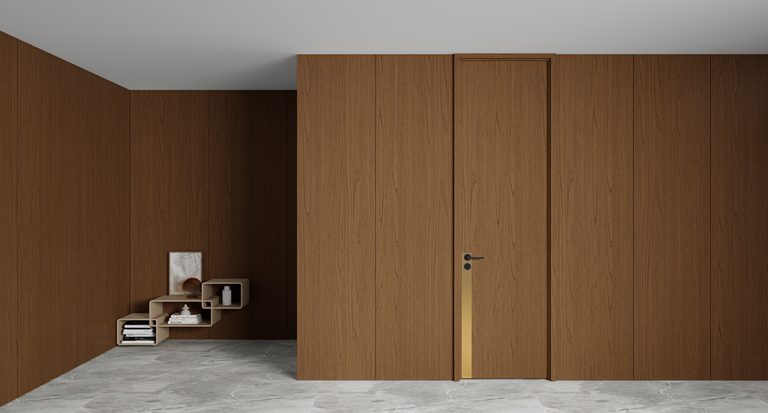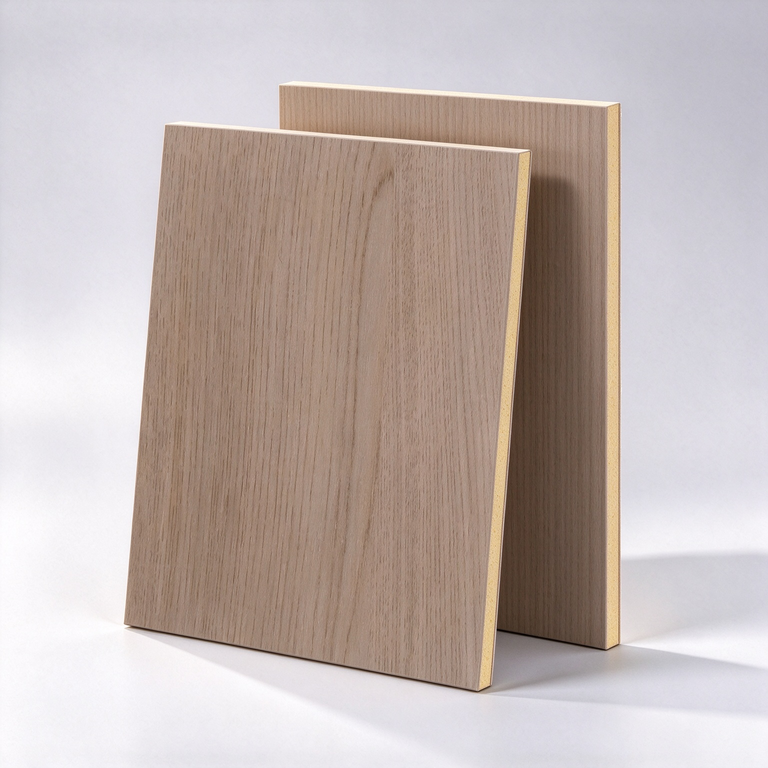
Quick answer: The leading spc wall panel manufacturers in China are primarily concentrated in Zhejiang, Jiangsu, and Shandong provinces. Sourcing directly offers cost advantages, extensive customization, and high-volume capacity, but requires rigorous factory audits, verification of ISO/CE certifications, and strict quality control on core density, locking systems, and surface wear layers.
Working with reliable spc wall panel manufacturers allows international distributors and contractors to source durable, waterproof stone plastic composite architectural finishes at scale. Chinese production lines integrate advanced extrusion technology with photorealistic decorative films. As a result, global buyers achieve substantial margin improvements while maintaining high performance standards for commercial and residential installations.
Why Source from SPC Wall Panel Manufacturers in China?
Sourcing from Chinese producers delivers massive economies of scale, cutting unit costs through automated extrusion technology and integrated raw material access. Furthermore, domestic factories offer rapid tooling and hundreds of photorealistic film designs to match global architectural trends.
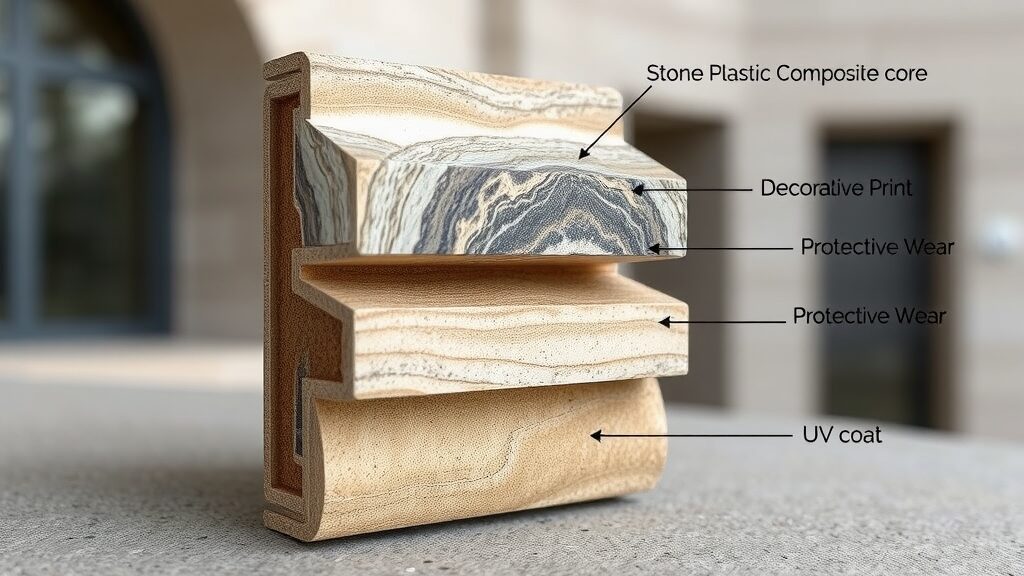
Stone Plastic Composite (SPC) consists of natural limestone powder (calcium carbonate), polyvinyl chloride (PVC), and specialized stabilizers. Because Chinese factories source these raw inputs locally in massive volumes, base material costs remain substantially lower than in Western regions. This raw material proximity protects buyers from severe supply chain bottlenecks.
In addition, high-speed automated extrusion lines operate continuously across modern Chinese manufacturing plants. This automation significantly reduces labor expenses per square meter. Tooling for custom profiles, tongue-and-groove engineering, and edge beveling is also faster and more economical in China. Buyers gain direct access to deep catalogs of high-definition decorative films, ranging from Carrara marble to rustic oak and cast concrete. Therefore, partnering directly with experienced spc wall panel manufacturers gives importers distinct cost and design advantages.
Where Are the Major SPC Manufacturing Hubs Located?
Most Chinese SPC production is clustered in Jiangsu, Zhejiang, Shandong, and Guangdong provinces, each offering specialized regional supply chains and export ports. These industrial clusters ensure fast access to machinery suppliers, decorative film printers, and deep-water container terminals.
Understanding regional industrial clusters helps buyers choose the right factory location and manage inland freight logistics efficiently:
- Jiangsu Province (Changzhou, Wuxi): Changzhou is widely recognized as the global capital for rigid core flooring and wall claddings. The region hosts massive, vertically integrated plants equipped with German and Taiwanese extrusion machinery. Inland transport to the Port of Shanghai is fast and cost-effective.
- Zhejiang Province (Haining, Jiaxing, Huzhou): Haining is famous for interior decorative panels and architectural profiles. The local supply chain features an extensive network of decorative film printers, mold fabricators, and specialized packaging converters. Goods export conveniently through Ningbo-Zhoushan or Shanghai ports.
- Shandong Province (Linyi, Qingdao): Linyi is a major wood-plastic composite and chemical hub in northern China. SPC producers here benefit from lower industrial land costs and cheap domestic raw materials, shipping primarily through Qingdao Port.
- Guangdong Province (Foshan): Foshan represents the center of premium interior design and commercial ceramic alternatives. Factories in this region emphasize luxury finishes, architectural aesthetics, and specialized surface textures.
Who Are the Top 15 SPC Wall Panel Manufacturers in China?
The top 15 Chinese manufacturers include prominent export-oriented enterprises with extensive factory footprints, advanced extrusion machinery, and certified quality management systems. These companies specialize in diverse formats, from interlocking bathroom panels to large-format architectural slabs.
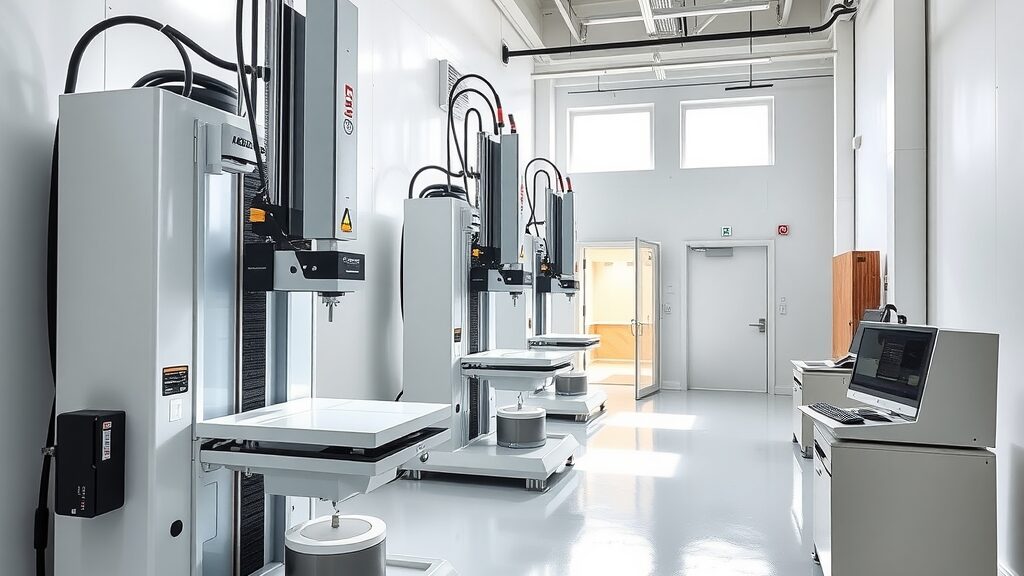
When selecting a supplier, identifying qualified spc wall panel manufacturers requires assessing factory size, equipment caliber, and product specialization. Here are fifteen leading producers serving international markets:
1. Jiangsu Elegant Home Tech Co., Ltd.
Based in Changzhou, Jiangsu, Elegant Home Tech is an industry heavyweight with high-capacity extrusion lines. The company manufactures commercial-grade rigid core flooring and extra-wide wall panels. Their facilities feature automated profiling machinery and robust quality management systems catering to major retail brands in North America and Europe.
2. Zhejiang Huisen Decoration Material Co., Ltd.
Located in Haining, Zhejiang, Huisen focuses on interior wall cladding, ceiling panels, and trim accessories. The company excels at lightweight SPC composite formulations, offering integrated tongue-and-groove wall systems. They provide rapid prototyping and short development cycles for custom decorative prints.
3. Decno Group Co., Ltd.
Headquartered in Jinan, Shandong, Decno Group is a prominent exporter of rigid core decorative surfaces. Decno manufactures specialized SPC wall panels with high limestone ratios for superior dimensional stability. Their product catalog highlights fire-rated commercial wall systems and pre-attached acoustic underlayment solutions.
4. Jiangsu Kentier Eco-Home Technology Co., Ltd.
Kentier operates large-scale manufacturing facilities in Jiangsu and Anhui. Known for sustainable building materials, Kentier produces non-toxic, zero-formaldehyde wall and floor panels. The company invests heavily in automated digital printing lines that reproduce authentic timber and stone grains directly on the core.
5. Zhejiang Walrus New Material Co., Ltd.
Situated in Jiaxing, Zhejiang, Walrus New Material manufactures commercial SPC surfaces for healthcare and hospitality projects. Their panels feature heavy-duty wear layers, antibacterial surface treatments, and high scratch resistance, making them popular for high-traffic public installations.
6. Changzhou Lingdian Wood Industry Co., Ltd.
Lingdian operates within the Changzhou flooring cluster, offering both rigid core flooring and matching waterproof wall panels. Their strengths include tight machining tolerances on interlocking joints, allowing seamless vertical installations in bathrooms and kitchens without grouting.
7. Shandong Top Building Materials Co., Ltd.
Based in Linyi, Shandong, this manufacturer leverages local raw material production to offer highly competitive pricing. Shandong Top focuses on standard-gauge SPC wall panels for budget-conscious commercial housing, student dormitories, and container homes.
8. Changzhou City Dongjia Decorative Materials Co., Ltd.
Dongjia specializes in export-focused decorative panel production in Jiangsu. They offer diverse surface treatments, including high-gloss UV marble finishes, matte textures, and registered-embossed wood grains. Their technical team handles custom packaging for direct-to-consumer e-commerce retailers.
9. Zhejiang Dingzuo New Material Technology Co., Ltd.
Located in Haining, Dingzuo focuses on modern interior architectural panel systems. They engineer tongue-and-groove SPC panels engineered specifically for rapid adhesive-free installations over existing ceramic tiles. The company maintains an extensive catalog of modern slate and quartz decorative films.
10. Anhui Sentai WPC Group
Sentai is a leading composite manufacturer in Anhui Province with significant international export operations. Although famous for outdoor decking, their indoor division produces high-density SPC wall panels engineered to meet strict international environmental and building safety standards.
11. Haining UV Decoration Material Co., Ltd.
Operating in the heart of Zhejiang’s decorative film cluster, this producer manufactures high-gloss SPC marble sheets and modular wall tiles. Their panels use multi-layer UV curing to prevent discoloration caused by direct sunlight exposure and household cleaning agents.
12. Linyi Queen New Material Co., Ltd.
Linyi Queen supplies interior decorative sheets to markets across Southeast Asia, the Middle East, and Eastern Europe. Their catalog features budget-friendly decorative wall solutions, marble-look sheets, and matched edge-banding profiles for commercial interior fit-outs.
13. Foshan Dongshen Architectural Materials Co., Ltd.
Located in Guangdong Province, Dongshen targets the luxury commercial sector. The factory specializes in large-format architectural slabs up to 1.2 meters wide and 2.8 meters tall, enabling full wall heights without horizontal seams in hotel lobbies and retail spaces.
14. Jiangsu Beier Decoration Materials Co., Ltd. (BBL)
BBL is one of the oldest and largest flooring and panel exporters in Jiangsu. Their automated facilities feature advanced European extrusion and profiling equipment. BBL holds extensive intellectual property licenses for click-locking systems, simplifying patent clearance for Western buyers.
15. Dalian Jiacheng New Materials Co., Ltd.
Based in Liaoning Province, Jiacheng serves markets across Northern Europe and East Asia. The company manufactures cold-resistant SPC formulations designed to resist thermal expansion and contraction in volatile climates, ensuring tight joint integrity year-round.
| Manufacturer | Primary Location | Core Specialty | Key Advantage |
|---|---|---|---|
| Jiangsu Elegant Home Tech | Changzhou, Jiangsu | Commercial wall panels | High-capacity extrusion lines |
| Zhejiang Huisen Decoration | Haining, Zhejiang | Modular interior systems | Fast prototyping and film options |
| Decno Group | Jinan, Shandong | High-density wall panels | Strong technical documentation |
| Jiangsu Kentier Eco-Home | Danyang, Jiangsu | Eco-friendly surfaces | Digital direct printing lines |
| Zhejiang Walrus New Material | Jiaxing, Zhejiang | Hospitality & healthcare panels | Antibacterial and UV wear coatings |
| Changzhou Lingdian Wood | Changzhou, Jiangsu | Waterproof interlocking tiles | Precision click-lock milling |
| Shandong Top Building | Linyi, Shandong | Standard architectural panels | Cost-effective volume production |
| Changzhou Dongjia Decorative | Changzhou, Jiangsu | Textured surface panels | Custom retail packaging options |
| Zhejiang Dingzuo New Material | Haining, Zhejiang | Retrofit wall claddings | Easy-install interlocking designs |
| Anhui Sentai WPC Group | Xuancheng, Anhui | High-density composite panels | Strict environmental testing |
| Haining UV Decoration | Haining, Zhejiang | High-gloss marble sheets | UV-cured scratch resistance |
| Linyi Queen New Material | Linyi, Shandong | Commercial wall linings | Accessible pricing on large runs |
| Foshan Dongshen Materials | Foshan, Guangdong | Large-format interior slabs | Seamless floor-to-ceiling heights |
| Jiangsu Beier (BBL) | Changzhou, Jiangsu | Patented locking panels | Comprehensive export compliance |
| Dalian Jiacheng Materials | Dalian, Liaoning | Thermal-stable formulations | Dimensional stability in cold regions |
What Quality Standards and Certifications Must You Require?
Importers must demand ISO 9001 quality management, CE marking, EN 13501-1 fire reaction classification, and recognized low-VOC certifications like FloorScore or GREENGUARD Gold. These verifications ensure your shipments meet local building codes and do not emit hazardous compounds.
Building materials undergo strict scrutiny in North American and European jurisdictions. For example, European wall cladding must achieve at least a B-s1, d0 fire rating under EN 13501-1. This rating indicates flame retardance, minimal smoke generation, and no burning droplets during combustion.
In the United States, ASTM E84 surface burning tests establish Class A flame-spread ratings for public buildings. Furthermore, volatile organic compound (VOC) emissions must satisfy the California Department of Public Health (CDPH) standard method. Reputable spc wall panel manufacturers routinely hold valid test reports from accredited third-party laboratories such as SGS, Intertek, or TÜV Rheinland. Always demand original test certificates rather than digital scans with obscured supplier names.
How Do You Evaluate SPC Wall Panel Factory Samples?
Evaluating factory samples requires checking core density, scratch resistance, locking profile tolerances, and immersion stability. Testing these physical parameters reveals whether the manufacturer uses virgin PVC resin or excessive, low-grade calcium carbonate filler.
Never rely solely on visual inspection when assessing samples from spc wall panel manufacturers. Instead, conduct systematic physical checks to ensure long-term product durability:
- Core Density and Composition: Measure the sample density. High-quality SPC wall panels typically have a core density between 1,900 and 2,100 kg/m³. Lower density indicates foaming agents, while excessive density makes the core brittle and prone to handling fractures.
- Interlocking Precision: Connect several sample panels on a flat surface. The tongue-and-groove joint should slide smoothly without gaps, visible step height, or brittle edge splintering.
- Wear Layer Performance: Inspect the transparent wear layer, which typically ranges from 0.15 mm to 0.50 mm for wall applications. Test scratch resistance with metal implements and test stain resistance using permanent markers wiped with isopropyl alcohol.
- Boiling Water Test: Submerge a cut sample in boiling water for two hours. Quality panels will not swell, blister, or delaminate. Significant warping reveals poor resin-to-calcium ratios or insufficient stabilizer additives.
What Are the Typical MOQs, Pricing, and Lead Times?
Standard minimum order quantities range between 500 and 1,500 square meters per decorative pattern, with wholesale prices reflecting panel thickness, wear layer gauge, and packaging. Typical production lead times run from 25 to 40 days following sample sign-off and deposit receipt.
Because continuous extrusion lines require significant time and material to calibrate, spc wall panel manufacturers enforce Minimum Order Quantities (MOQs) per design. Changing the decorative film roll creates production downtime, so ordering below minimum thresholds increases unit costs.
Wholesale pricing generally fluctuates between $6 and $18 per square meter depending on specifications:
- Overall Thickness: Wall panels range from 3.0 mm to 6.0 mm. Thicker panels cost more but hide subwall imperfections better.
- Wear Layer Thickness: Residential panels feature 0.15 mm to 0.30 mm wear layers, while heavy commercial panels use 0.50 mm layers.
- Acoustic Backing: Adding an integrated IXPE or EVA acoustic foam pad increases costs by $0.50 to $1.20 per square meter.
- Packaging: Custom full-color retail cartons and heavy corner protectors add minor surcharges compared to neutral brown packaging.
How Should You Handle Quality Control and Pre-Shipment Audits?
Quality control requires deploying third-party inspectors during production and before final packing to verify dimensions, peeling strength, and locking tolerances. Establishing a clear inspection checklist prevents defective batches from reaching container ports.
Never authorize final balance payments before an inspection agency confirms batch conformity. Hire independent inspectors to visit the manufacturing facility during the run. Inspectors should draw samples according to standard ANSI/ASQ Z1.4 sampling procedures.
Inspectors must verify:
- Dimensional Tolerances: Panel thickness, width, length, and diagonal squareness must fall within ±0.1 mm to ±0.2 mm tolerances to prevent installation misalignment.
- Peel Strength: Technicians must check the lamination bond between the UV coating, wear layer, film, and core to prevent delamination under humid conditions.
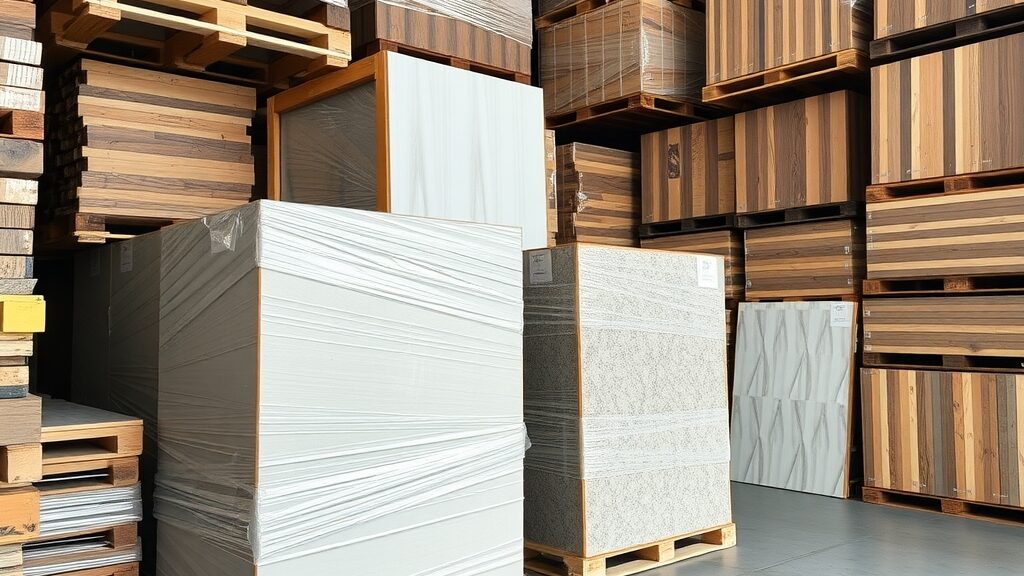
- Palletization: Because SPC panels are heavy and brittle on the edges, pallets must use reinforced edge protectors, thick plastic wrapping, and steel or plastic banding to prevent transit crushing.
What Are the Best Shipping and Customs Practices for Importers?
Importers must optimize container weight limits, specify correct Harmonized System (HS) codes, and select suitable Incoterms to avoid unexpected port demurrage and customs duties. Due to the high density of composite panels, 20-foot shipping containers often reach weight limits before filling their volume.
SPC is an exceptionally heavy material. While lightweight goods easily fill 40-foot High Cube (40HC) containers, SPC wall panels reach maximum gross road and sea transport weight limits (often 21 to 26 metric tons) in a standard 20-foot container. Loading dense panels into 40-foot containers often results in wasted volume and risks highway overweight fines. Therefore, shipping in 20-foot containers is usually more economical per ton.
For customs clearance, classify wall panels under Harmonized System heading 3918 (covering floor and wall coverings of plastic). Always review regional trade remedies before placing orders, as certain jurisdictions apply trade duties on Chinese vinyl composites. When negotiating with spc wall panel manufacturers, Free On Board (FOB) terms give you direct control over maritime freight bookings and destination agent fees.
How Can Importers Avoid Common Risks in Chinese SPC Sourcing?
Importers mitigate sourcing risks by vetting business licenses, verifying factory ownership, establishing bilingual production contracts, and approving golden samples before mass production. These protocols prevent middleman markups and reduce color variance disputes.
Many trading intermediaries list products online posing as original spc wall panel manufacturers. To confirm actual factory status, request the supplier’s Chinese business license (Yingye Zhizhao). Review their registered business scope; genuine factories explicitly list manufacturing and processing, whereas trading companies list only sales or distribution services.
Additionally, color variation between production batches poses a frequent commercial challenge. Decorative films printed in separate runs can exhibit noticeable shade shifts. To avoid mismatched wall joints, mandate that your supplier produces your complete order from a single film printing run. Finally, retain signed “golden samples” at your office and at the factory. These approved panels serve as the legally binding visual standard for your pre-shipment inspections.
Key Takeaways
- Leading Chinese manufacturers are concentrated in Jiangsu (Changzhou), Zhejiang (Haining), and Shandong (Linyi).
- SPC core density must remain between 1,900 and 2,100 kg/m³ to guarantee stability without making the composite brittle.
- Mandate third-party test reports for CE marking, EN 13501-1 Class B fire safety, and FloorScore low-VOC certification.
- Due to the high weight of stone-plastic composites, 20-foot shipping containers offer the most cost-effective freight economics.
- Always require pre-shipment third-party inspections to verify interlocking profile tolerances and lamination peel strength.
Frequently Asked Questions
What makes SPC wall panels different from PVC or WPC panels?
SPC wall panels use a rigid core of natural limestone powder and PVC resin without foaming agents. This gives them significantly higher density, superior fire resistance, and greater impact strength than hollow PVC panels or wood-plastic composites (WPC), preventing expansion or warping in wet and sunlit spaces.
What is the standard minimum order quantity (MOQ) for Chinese SPC factories?
Most Chinese manufacturers establish an MOQ between 500 and 1,000 square meters per color design. This minimum reflects the operational setup time required to change decorative film rolls on high-speed extrusion lines without generating excessive scrap material during machine recalibration.
How can I verify if an SPC manufacturer is an actual factory or a trading company?
Review their Chinese business license (Yingye Zhizhao) and examine the registered business scope. Factories explicitly list production and manufacturing, whereas trading intermediaries list only wholesale or export. Furthermore, request a live video walkthrough of the extrusion floor or commission a third-party factory verification audit.
Are Chinese SPC wall panels compliant with international fire and VOC standards?
Established Chinese export manufacturers produce panels compliant with international standards, including EN 13501-1 (Class B-s1, d0 fire rating), ASTM E84, and FloorScore low-VOC limits. Always demand unredacted test reports conducted by internationally accredited laboratories like SGS, Intertek, or TÜV to confirm batch safety compliance.
How long does shipping take from Chinese ports to Western markets?
Ocean transit from primary Chinese ports like Shanghai or Ningbo typically takes 14 to 22 days to the US West Coast and 28 to 35 days to the US East Coast. Shipments to major European ports like Rotterdam or Hamburg generally require 28 to 40 days.