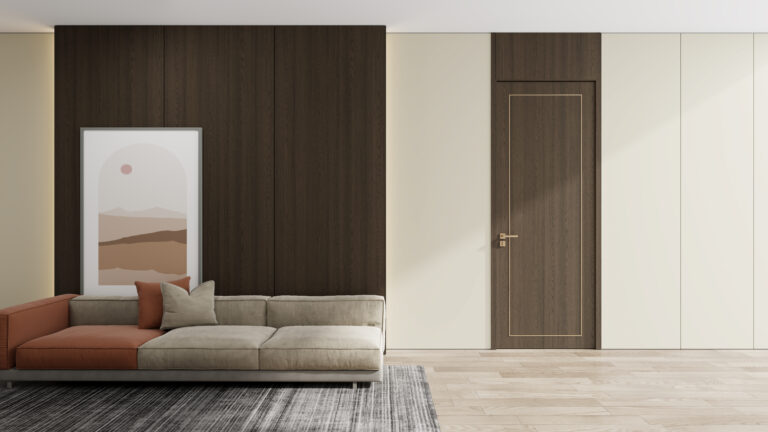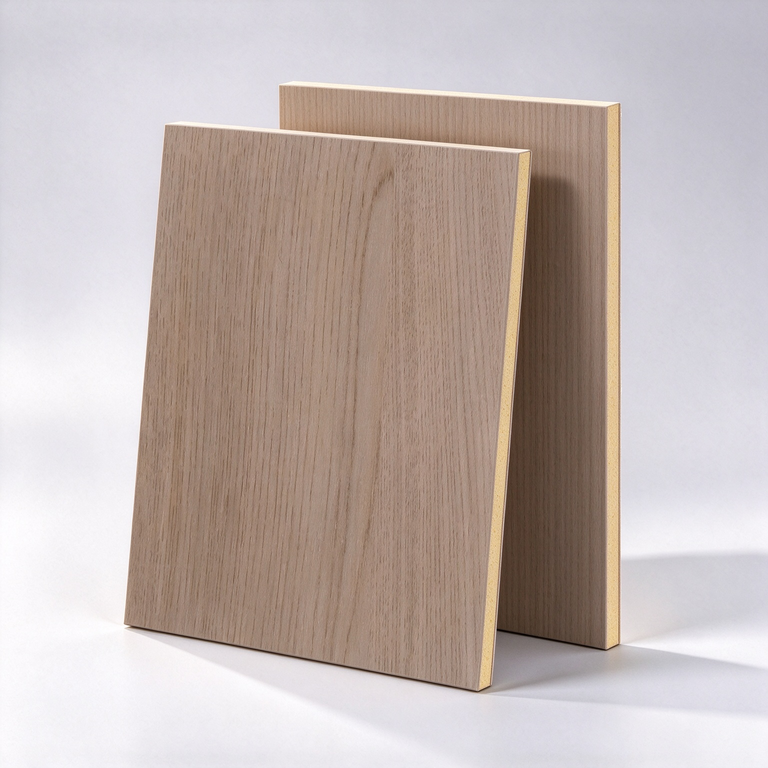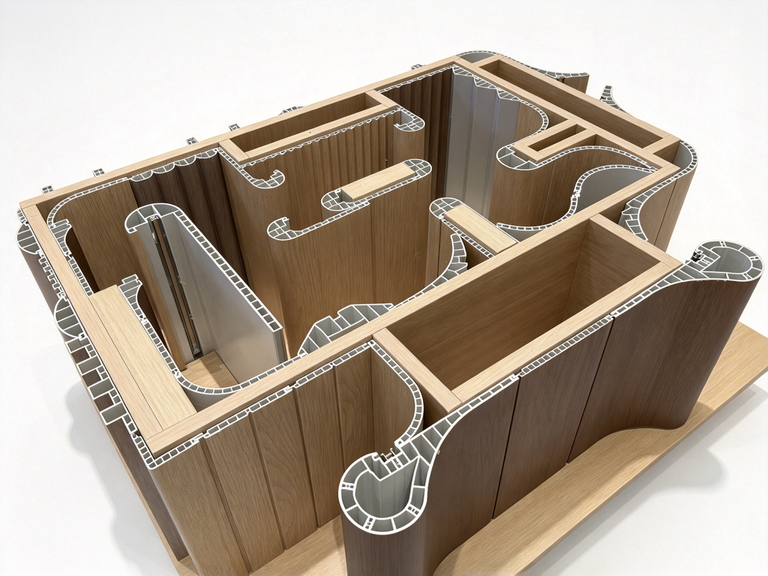
China has become a major manufacturing center for decorative and architectural wall panels. Its factories offer a wide selection of materials, finishes, designs, and production options for international buyers.
However, knowing how to source wall panels from China involves more than finding the lowest price. Buyers must evaluate manufacturers, understand product specifications, verify quality, negotiate terms, and manage international shipping.
This comprehensive guide explains 12 practical steps to help importers, wholesalers, distributors, contractors, and building material businesses source wall panels from China with greater confidence.
Comprehensive Article Outline
| Section | Main Topics | Key Takeaways |
|---|---|---|
| Introduction | China’s wall panel industry | Why international buyers source from China |
| Step 1 | Understanding wall panel types | Select suitable materials and applications |
| Step 2 | Finding reliable manufacturers | Discover and shortlist qualified suppliers |
| Step 3 | Verifying supplier credentials | Reduce sourcing and payment risks |
| Step 4 | Evaluating product quality | Check materials, testing, and samples |
| Step 5 | Comparing prices and MOQs | Calculate competitive purchasing costs |
| Step 6 | Requesting samples | Approve products before bulk production |
| Step 7 | Negotiating supplier agreements | Establish clear commercial terms |
| Step 8 | Understanding certifications | Check safety and import compliance |
| Step 9 | Managing production | Monitor manufacturing and inspection |
| Step 10 | Arranging international shipping | Select suitable freight and Incoterms |
| Step 11 | Handling customs clearance | Prepare documents and calculate duties |
| Step 12 | Building supplier relationships | Improve long-term purchasing results |
| Additional Guidance | Common sourcing mistakes | Avoid delays, defects, and hidden costs |
| FAQs | Frequently asked questions | Address practical importing concerns |
| Conclusion | Final sourcing recommendations | Develop a reliable procurement strategy |
1. Understanding the Chinese Wall Panel Market
China offers an extensive selection of interior and exterior wall covering materials. Manufacturers serve residential, commercial, hospitality, and construction markets worldwide.
Understanding the industry helps buyers identify suitable products, compare suppliers, and make informed purchasing decisions.
1.1 Why Source Wall Panels from China?
China attracts international wall panel buyers for several reasons.
Competitive manufacturing costs
Many Chinese factories benefit from established supply chains, large production capacity, and access to raw materials.
These advantages can support competitive wholesale pricing, particularly for larger orders.
Wide product selection
Manufacturers produce numerous wall panel styles, including:
-
Wood Plastic Composite (WPC) wall panels
-
Polyvinyl Chloride (PVC) decorative panels
-
Acoustic wall panels
-
Fluted wall panels
-
Bamboo charcoal decorative panels
-
UV-coated marble-look panels
-
Solid wood wall panels
-
Exterior wall cladding systems
Customization opportunities
Many manufacturers offer original equipment manufacturing (OEM) and original design manufacturing (ODM) services.
Depending on the factory, buyers may customize panel dimensions, colors, surface finishes, packaging, and branding.
Established export infrastructure
China has major ports, freight networks, and manufacturers experienced in international trade.
However, export experience varies by supplier. Buyers should confirm whether a factory understands the documentation and regulations required in their destination country.
1.2 Major Wall Panel Manufacturing Regions in China
Different Chinese regions specialize in various building materials and decorative products.
| Region | Common Manufacturing Strengths |
|---|---|
| Foshan, Guangdong | Interior decorative materials, PVC panels, building finishes |
| Guangzhou, Guangdong | Decorative building products and trading networks |
| Linyi, Shandong | Wood-based panels, engineered boards, decorative materials |
| Haining, Zhejiang | PVC ceiling and wall panel products |
| Changzhou, Jiangsu | Engineered flooring and related decorative materials |
| Jiaxing, Zhejiang | Integrated wall systems and decorative panels |
These are general industry concentrations, not guarantees that every supplier in a region manufactures a particular product.
1.3 Understanding Common Wall Panel Materials

WPC Wall Panels
Wood Plastic Composite panels combine wood-based fibers or fillers with plastic polymers. They’re popular for decorative interiors because of their consistent appearance and relatively easy maintenance.

PVC Wall Panels
PVC panels are lightweight and available in many colors and finishes. Some products resist moisture well, making them useful in suitable interior environments.
Acoustic Wall Panels
Acoustic panels are designed to manage sound reflections. Their performance depends on material composition, thickness, installation, and tested acoustic properties.

UV Marble-Look Panels
These decorative sheets imitate natural marble. Many feature printed patterns and protective coatings that provide an attractive finish at a lower cost than some natural stone installations.
1.4 Choosing Wall Panels for Your Target Market
Before contacting manufacturers, define your customers’ needs.
For example, a distributor serving residential renovation companies may prioritize affordable decorative panels and simple installation.
A commercial construction supplier may require documented fire performance, durability testing, and consistent technical specifications.
Similarly, exterior projects demand different materials from interior decoration.
Don’t assume that a panel advertised as waterproof, fireproof, or weather-resistant is suitable for every application. Always request relevant test results.
A clear product strategy will make the next sourcing steps much easier.
2. Finding and Verifying Reliable Wall Panel Manufacturers
Finding a dependable manufacturer is one of the most important parts of learning how to source wall panels from China.
A professional website and attractive product photographs aren’t enough. Buyers need evidence that suppliers can consistently deliver the required products.
2.1 Step 1: Search for Wall Panel Manufacturers
Several sourcing channels can help international buyers discover Chinese manufacturers.
Alibaba
Alibaba is a widely used business-to-business marketplace.
Buyers can search for decorative wall panels, contact suppliers, request quotations, and compare product specifications.
Useful search phrases include:
-
China WPC wall panel manufacturer
-
Wholesale PVC wall panels China
-
Acoustic wall panel factory China
-
Decorative fluted wall panels supplier
-
OEM wall cladding manufacturer
Supplier badges can help with initial screening, but they don’t replace independent verification.
Made-in-China
Made-in-China provides another channel for identifying factories and comparing industrial products.
Review supplier profiles, product categories, business information, and available audit documentation.
Global Sources
Global Sources is another supplier discovery platform that can support international procurement research.
Industry Exhibitions
Trade shows allow buyers to meet suppliers and examine product samples.
One important event is the China Import and Export Fair (Canton Fair).
Other specialized building material exhibitions may also be useful, depending on the products being sourced.
2.2 Step 2: Verify the Manufacturer’s Background
Not every supplier advertising wall panels owns a factory.
Some are trading companies that purchase products from manufacturers and resell them.
Trading companies aren’t automatically a poor choice. They may offer broader product selections, consolidated purchasing, and export support.
However, buyers should understand who actually manufactures the products.
Ask potential suppliers for:
-
Registered company name and business license
-
Factory address and production location
-
Main product categories
-
Manufacturing capacity
-
Export experience
-
Quality management procedures
-
Product test reports
-
Factory photographs or live video access
Verify the legal company name against official registration information when possible.
2.3 Step 3: Evaluate Production Capabilities
A supplier may produce excellent samples but struggle with large commercial orders.
Therefore, production capacity matters.
Ask about the number of production lines, average monthly output, equipment, material sourcing, and quality inspection procedures.
Also confirm whether the manufacturer produces panels internally or outsources important manufacturing stages.
Questions to Ask Before Selecting a Supplier
| Question | Why It Matters |
|---|---|
| Are you the manufacturer or a trading company? | Clarifies the supply chain |
| Can you provide factory inspection access? | Supports independent verification |
| What is your monthly production capacity? | Helps assess delivery capability |
| Can you manufacture customized designs? | Confirms OEM or ODM suitability |
| What is your standard lead time? | Supports inventory planning |
| Do you have relevant product test reports? | Helps verify performance claims |
| What happens if products fail inspection? | Clarifies corrective action procedures |
2.4 How to Identify Potential Supplier Warning Signs
Certain behaviors deserve additional investigation.
These include unusually low prices without clear specifications, reluctance to share company information, inconsistent bank account details, and pressure to make immediate payments.
Be cautious when a supplier refuses reasonable independent inspections.
Likewise, verify any sudden request to change payment accounts using a previously established communication channel.
2.5 Create a Supplier Shortlist
Rather than relying on one quotation, compare several qualified manufacturers.
A practical shortlist may include three to five suppliers.
Evaluate them using consistent criteria:
| Evaluation Factor | Suggested Weight |
|---|---|
| Product quality | 30% |
| Pricing | 20% |
| Manufacturing capability | 15% |
| Compliance documentation | 15% |
| Communication | 10% |
| Delivery reliability | 10% |
These weights are illustrative. For safety-critical building products, compliance may deserve a much higher priority.
The objective isn’t simply to identify the cheapest manufacturer. It’s to select the supplier offering the strongest combination of quality, capability, compliance, and commercial reliability.
3. Evaluating Quality, Samples, and Pricing

Once potential suppliers have been identified, buyers should examine the actual products and commercial terms.
This stage helps prevent expensive mistakes before mass production begins.
3.1 Step 4: Establish Clear Product Specifications
Every purchasing inquiry should include detailed technical requirements.
For decorative wall panels, important specifications may include:
-
Panel length, width, and thickness
-
Base material and composition
-
Surface finish and color
-
Density or weight
-
Dimensional tolerances
-
Intended installation environment
-
Installation system and accessories
-
Required performance tests
-
Packaging specifications
For example, requesting a “wood-look wall panel” leaves too much room for interpretation.
A better inquiry identifies the material, dimensions, profile, surface finish, packaging, and destination market.
Example Wall Panel Specification Sheet
| Specification | Example Requirement |
|---|---|
| Product | Interior decorative WPC fluted panel |
| Length | 2,900 mm |
| Width | 160 mm |
| Thickness | 24 mm |
| Color | Natural oak appearance |
| Surface | Wood-grain decorative finish |
| Application | Interior feature walls |
| Packaging | Protective cartons with edge protection |
| Order quantity | 1,000 panels |
| Destination | Buyer’s designated import market |
These are sample purchasing requirements, not universal industry specifications.
3.2 Step 5: Compare Wholesale Wall Panel Prices
Pricing varies based on materials, dimensions, finishes, order volume, and customization.
Buyers should request quotations based on identical specifications.
Otherwise, comparing offers can be misleading.
For instance, two panels may look similar but use different core materials, wall thicknesses, surface films, or manufacturing processes.
These differences can affect durability and price.
Understand Minimum Order Quantities
Minimum order quantity, or MOQ, refers to the smallest quantity a supplier will accept.
Some manufacturers allow relatively small orders of standard products. Custom colors, molds, and branded packaging may require larger quantities.
MOQs vary significantly, so buyers should request written confirmation rather than assume a fixed industry minimum.
3.3 Calculate the Total Landed Cost
The factory price is only one part of the import cost.
Consider the following illustrative calculation.
| Cost Component | Example Amount (USD) |
|---|---|
| Product purchase | $5,000 |
| Origin handling and documentation | $250 |
| International freight | $1,200 |
| Cargo insurance | $50 |
| Customs duty | $300 |
| Destination clearance and delivery | $450 |
| Total landed cost | $7,250 |
If the shipment contains 1,000 panels, the estimated landed cost is $7.25 per panel.
This example excludes any applicable import VAT or sales tax and other market-specific charges.
Actual costs depend on shipment details, trade terms, tariff classification, and destination.
3.4 Step 6: Request and Test Samples
Samples are essential before placing a large order.
A manufacturer may provide attractive catalog photographs, but photographs cannot confirm every product characteristic.
Request physical samples that represent the proposed production materials and finishes.
Inspect:
Appearance: Check color consistency, texture, surface quality, and decorative finish.
Dimensions: Measure thickness, width, length, and profile accuracy.
Strength: Examine stiffness, edge quality, and resistance to damage during normal handling.
Surface performance: Assess scratch resistance and cleaning behavior using methods suitable for the product.
Installation: Test how panels connect, cut, and attach to the intended substrate.
Packaging: Confirm that protective materials are suitable for transportation.
3.5 Use a Golden Sample
After approving a sample, designate it as the reference standard for production.
This is often called a golden sample.
The approved sample should be identified and retained, ideally with matching copies held by the buyer and manufacturer.
Production specifications should also be documented because a physical sample alone may not establish all measurable requirements.
3.6 Consider Independent Product Testing
For important performance claims, laboratory testing provides stronger evidence than a supplier’s marketing materials.
Depending on the panel type, relevant testing may address:
-
Reaction to fire
-
Formaldehyde emissions
-
Volatile organic compound emissions
-
Acoustic absorption
-
Moisture resistance
-
Dimensional stability
-
Weathering performance
Test methods and acceptable results depend on the product and destination market.
A certificate for one panel construction doesn’t automatically apply to another thickness, coating, or material formulation.
4. Negotiating Contracts and Ensuring Product Compliance
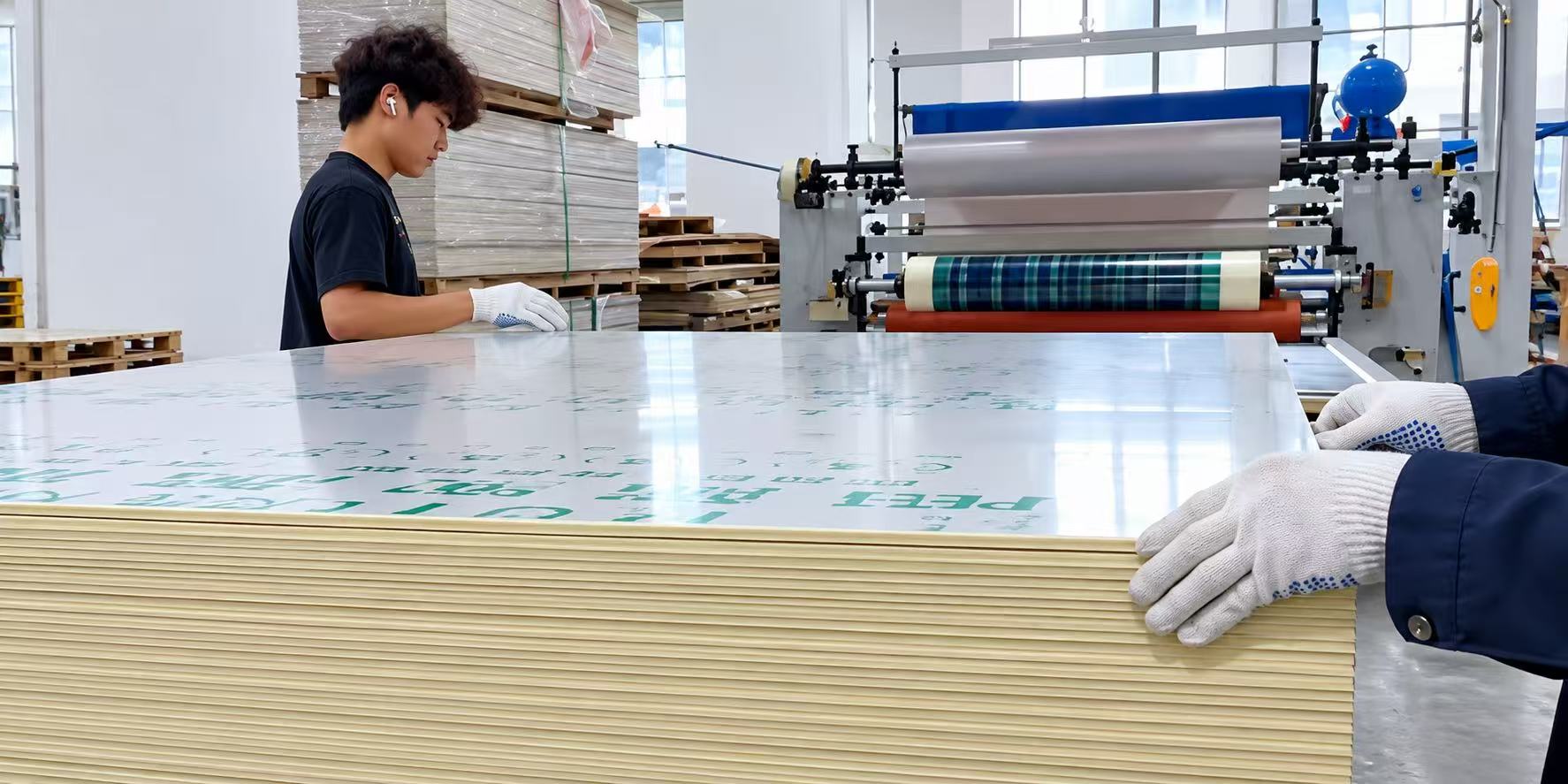
Good sourcing decisions require clear agreements and an understanding of regulatory obligations.
Even an experienced factory may misunderstand requirements that haven’t been documented.
4.1 Step 7: Negotiate Commercial Terms
Once product specifications and samples are approved, negotiate the purchase terms.
Important topics include unit prices, quantity discounts, tooling charges, lead times, payment conditions, and packaging costs.
Avoid focusing exclusively on price.
A small discount isn’t worthwhile if it leads to weaker packaging, inferior materials, or unreliable delivery.
4.2 Common Payment Arrangements
Some manufacturers propose a deposit before production and a remaining balance before shipment.
For example, a supplier might request 30% upfront and 70% before release of the goods.
However, this is only one possible arrangement.
Payment structures depend on order size, supplier relationships, financing, and negotiated risk allocation.
For larger purchases, buyers may consider documentary letters of credit or other arrangements supported by their banks.
4.3 Include Important Contract Provisions
A written purchase agreement should define:
-
Exact product specifications
-
Approved samples and drawings
-
Quantity and tolerances
-
Price and currency
-
Applicable Incoterms
-
Production deadlines
-
Inspection requirements
-
Defect handling procedures
-
Packaging standards
-
Payment milestones
-
Warranty responsibilities
-
Dispute resolution arrangements
A contract should also identify the legal supplier entity and the authorized payment beneficiary.
For significant orders, seek legal advice on enforceability and dispute resolution.
4.4 Step 8: Check Product Certifications and Regulations
Building materials can be subject to important safety and environmental requirements.
These vary by destination country, building type, and intended application.
Fire Performance
Fire requirements are especially important for commercial interiors, hotels, schools, and public buildings.
Depending on the market and application, buyers may encounter standards such as ASTM E84 or EN 13501-1.
These standards use different testing and classification approaches. Their results aren’t automatically interchangeable.
Ask for test reports that identify the actual product tested and the applicable test conditions.
Environmental Performance
Certain wood-based or composite products may be subject to formaldehyde emission requirements.
For example, some composite wood products entering the United States fall under EPA TSCA Title VI requirements.
However, applicability depends on the exact product construction and regulatory definitions.
Review official guidance from the U.S. Environmental Protection Agency.
European Market Requirements
Products sold in the European Economic Area may be subject to EU construction product rules and other relevant legislation.
CE marking isn’t a universal certificate for all wall panels.
Whether CE marking and a declaration of performance are required depends on the applicable product legislation, harmonized technical specifications, and intended use.
Buyers should verify current obligations before importing.
4.5 Verify Test Reports
A genuine-looking certificate isn’t enough.
Check the laboratory name, report number, product identification, test date, and scope.
Where possible, contact the testing organization directly to confirm authenticity.
Also check whether the manufacturer changed the material formulation after testing.
4.6 Protect Your Brand and Product Designs
Businesses sourcing private-label wall panels should clarify ownership of packaging artwork, trademarks, molds, and original designs.
Use written agreements covering intellectual property and confidentiality where appropriate.
Before introducing a new brand, consider trademark searches in relevant markets.
Taking these steps early can prevent difficult disputes later.
5. Managing Production, Shipping, and Customs Clearance
After confirming the supplier and contract, attention shifts to production and delivery.
This phase requires careful coordination because manufacturing delays and shipping problems can affect inventory availability.
5.1 Step 9: Monitor Manufacturing Progress
Ask the manufacturer to provide a production schedule with key milestones.
These may include raw material preparation, extrusion or panel manufacturing, surface finishing, packaging, and final inspection.
Regular updates help identify potential delays before the planned shipping date.
However, production photographs shouldn’t be treated as a substitute for independent inspection.
5.2 Arrange Pre-Shipment Inspection
A pre-shipment inspection is one of the most effective ways to reduce import risk.
An independent inspector can check the finished goods against the purchase agreement.
Typical inspection activities include:
-
Confirming order quantity
-
Measuring panel dimensions
-
Checking appearance and color
-
Examining surface defects
-
Reviewing packaging
-
Checking product markings
-
Performing agreed functional tests
An inspection should follow a documented sampling plan and clearly defined acceptance criteria.
For example, buyers may agree on an acceptance quality limit (AQL) inspection procedure.
An AQL inspection provides sample-based evidence; it doesn’t guarantee that every unit is defect-free.
5.3 Step 10: Choose the Right Shipping Method
Most commercial wall panel orders are transported by sea.
However, the best shipping method depends on order size, urgency, and cargo dimensions.
Sea Freight
Sea freight is generally suitable for larger shipments and relatively heavy or bulky products.
Two common arrangements are:
Full Container Load (FCL): The buyer books a container for the shipment.
Less than Container Load (LCL): The buyer’s cargo shares container space with other shipments.
FCL can be attractive for large orders, while LCL may be practical for smaller quantities.
Air Freight
Air freight is faster in many circumstances but usually costs more.
It may be suitable for samples, urgent replacement parts, or small shipments of high-value materials.
Long wall panels may also face dimensional restrictions and additional handling charges.
5.4 Understand Incoterms
Incoterms define important responsibilities between buyers and sellers.
They address matters such as delivery obligations, transport arrangements, costs, and the point where risk transfers.
| Incoterm | General Meaning |
|---|---|
| EXW | Seller makes goods available at the named place; buyer takes on extensive collection and transport responsibilities |
| FCA | Seller delivers goods to the carrier or other nominated party at the agreed place |
| FOB | For sea or inland waterway transport, seller delivers goods on board the vessel at the named port |
| CIF | Seller arranges and pays for sea freight and required minimum insurance to the named destination port; risk transfers when goods are on board |
| DAP | Seller delivers to the named destination ready for unloading; buyer generally handles import clearance |
| DDP | Seller takes on extensive delivery responsibilities, including import clearance and applicable duties under the agreed terms |
Use the applicable Incoterms 2020 rules and name the exact delivery location.
For containerized shipments, FCA is often worth considering instead of FOB because container handover commonly occurs before loading onto the vessel.
5.5 Step 11: Prepare Customs Documentation
International shipments commonly require documents such as:
-
Commercial invoice
-
Packing list
-
Bill of lading or air waybill
-
Customs declarations
-
Relevant certificates of origin
-
Product compliance documents, where required
-
Additional permits or declarations, where applicable
The exact requirements depend on the importing country and product.
5.6 Identify the Correct HS Code
Harmonized System (HS) codes are used to classify internationally traded goods.
The correct classification affects customs duty rates, trade measures, and reporting obligations.
Wall panels don’t all share one HS code.
Classification depends on material composition, manufacturing characteristics, and other legal criteria.
PVC decorative panels, wood-based boards, and composite products may fall under different tariff headings.
Consult a licensed customs broker or the destination country’s customs authority when classification is uncertain.
5.7 Protect Products During Transportation
Wall panels may be vulnerable to edge damage, bending, abrasion, or moisture exposure.
Request packaging suitable for the product’s length, weight, and surface finish.
Depending on the shipment, protection may include reinforced cartons, corner guards, internal separators, moisture barriers, and secure palletization.
If wooden pallets or other solid wood packaging are used, applicable ISPM 15 requirements may need to be met.
5.8 Step 12: Build a Long-Term Supplier Relationship
Successful importing isn’t only about completing the first shipment.
A dependable manufacturing relationship can improve future purchasing efficiency.
Share inspection feedback, provide accurate forecasts, and communicate changes in customer demand.
Track supplier performance using measurable indicators.
| Performance Indicator | What to Monitor |
|---|---|
| On-time delivery | Orders shipped by the agreed deadline |
| Defect rate | Products failing agreed requirements |
| Communication | Response speed and accuracy |
| Price stability | Changes in comparable product quotations |
| Documentation | Accuracy and completeness of shipping records |
| Corrective actions | How effectively problems are resolved |
Over time, these records can support better supplier decisions and more consistent purchasing outcomes.
6. Common Mistakes When Sourcing Wall Panels from China
Even experienced importers can face problems when purchasing from unfamiliar suppliers.
Understanding common mistakes helps buyers reduce avoidable losses.
6.1 Choosing Suppliers Based Only on Price
The lowest quotation may involve thinner materials, cheaper finishes, weaker packaging, or limited quality controls.
Always compare products against the same technical specifications.
6.2 Skipping Sample Approval
Without physical samples, buyers may discover color differences or installation problems only after the shipment arrives.
Approve representative samples before mass production.
6.3 Ignoring Import Regulations
A product suitable for one country may not meet another country’s building regulations.
Confirm applicable requirements before purchasing.
6.4 Paying Without Verification
Large advance payments to unverified suppliers can create serious financial exposure.
Verify company credentials and bank account details, and negotiate appropriate payment protections.
6.5 Overlooking Installation Requirements
Wall panels may require specific adhesives, fasteners, substrates, ventilation gaps, or expansion allowances.
Request written installation instructions.
This is particularly important for panels used in humid environments or commercial buildings.
6.6 Failing to Calculate Landed Costs
A competitive factory quotation can become expensive after freight, customs charges, handling, and local delivery.
Calculate the expected total cost before confirming the purchase.
6.7 Relying on One Supplier
Depending entirely on one factory can create supply interruptions if production capacity changes or delivery problems occur.
For important product lines, consider maintaining a qualified backup supplier.
6.8 Forgetting After-Sales Responsibilities
Defective panels may be difficult or costly to return internationally.
Agree in advance on remedies, evidence requirements, replacement procedures, and responsibility for related expenses.
Clear agreements make disputes easier to resolve.
7. Frequently Asked Questions About Sourcing Wall Panels from China

FAQ 1: Is it profitable to import wall panels from China?
Importing wall panels from China can be profitable when buyers control purchasing costs, logistics expenses, product quality, and inventory risks.
Profitability depends on the local selling price, market demand, competition, and total landed cost.
Before importing, calculate expected gross margin and include allowances for damaged goods, storage, marketing, and distribution.
FAQ 2: What is the minimum order quantity for Chinese wall panels?
There is no universal minimum order quantity.
MOQs depend on the manufacturer, product type, material, color, and customization requirements.
Standard products may be available in smaller quantities, while custom designs often require larger orders.
Always confirm the MOQ for each product and finish.
FAQ 3: How long does it take to import wall panels from China?
Total lead time includes sample approval, production, inspection, shipping, customs clearance, and local delivery.
Standard products may be produced faster than customized designs.
Ocean freight transit also varies considerably by destination and routing.
Ask suppliers and freight forwarders for current schedules, and include extra time for unexpected delays.
FAQ 4: How can I verify a Chinese wall panel manufacturer?
Start by checking the supplier’s legal business information and factory address.
Request production photographs, arrange a live video tour, and review relevant test reports.
For higher-value orders, consider an independent factory audit.
You can also request customer references, although these should be assessed carefully.
FAQ 5: Are Chinese WPC wall panels waterproof?
Water resistance depends on the exact product formulation and construction.
Many WPC products resist moisture better than some untreated wood-based materials.
However, this doesn’t mean every WPC panel is fully waterproof or suitable for outdoor exposure.
Request relevant test data and installation guidance.
FAQ 6: Can I customize wall panels with my own brand?
Yes. Many Chinese manufacturers offer OEM and ODM services.
Possible customization options include colors, profiles, dimensions, surface textures, logos, and packaging.
Custom molds and finishes may require tooling fees and higher MOQs.
FAQ 7: What is the best shipping method for wholesale wall panels?
Sea freight is often the most economical option for larger commercial orders.
FCL may suit high-volume purchases, while LCL may work for smaller shipments.
Air freight can be useful for urgent samples or limited quantities.
Compare total costs, delivery times, and cargo handling requirements before deciding.
FAQ 8: Do wall panels imported from China need certifications?
Certification and testing requirements depend on the destination country, panel material, and intended use.
Certain applications may require documented fire performance, emissions compliance, or other evidence.
Buyers should check applicable regulations with qualified professionals before importing.
FAQ 9: Should I buy directly from a factory or use a trading company?
Buying directly from a factory can provide closer production communication and potentially competitive pricing.
Trading companies may offer product sourcing, consolidation, and export services.
The better choice depends on the buyer’s experience, order size, product variety, and required support.
FAQ 10: How do I prevent quality problems with bulk wall panel orders?
Use detailed specifications, approve physical samples, and include inspection rights in the purchasing agreement.
Arrange inspections during production or before shipment when appropriate.
Document any defects and require corrective action before releasing the goods.
8. Conclusion: Build a Successful Wall Panel Sourcing Strategy
Learning how to source wall panels from China requires a structured approach that combines product knowledge, supplier verification, quality control, and logistics planning.
China offers many opportunities for importers seeking decorative wall panels, WPC cladding, PVC panels, acoustic products, and customized architectural finishes.
However, successful sourcing depends on much more than finding attractive products at low factory prices.
Start by defining your technical requirements and target market. Next, shortlist qualified suppliers, verify their manufacturing capabilities, and examine representative samples.
Before placing a large order, confirm applicable regulations, agree on written commercial terms, and establish clear inspection procedures.
Finally, calculate the full landed cost and coordinate shipping with experienced logistics partners.
The most successful wall panel importers focus on consistent quality, reliable delivery, and long-term supplier performance rather than price alone.
With careful preparation and strong manufacturing partnerships, sourcing wall panels from China can become a scalable and competitive part of an international building materials business.