Quick answer: A WPC wall panel is a composite cladding board made from recycled wood fibers and thermoplastics. It combines the natural texture of wood with the durability of plastic, providing a water-resistant, termite-proof, and low-maintenance surface ideal for both interior accent walls and weather-exposed exterior facades.
A wpc wall panel provides an engineered alternative to traditional timber cladding by merging the organic appearance of wood with the structural resilience of modern polymers. Homeowners and commercial builders increasingly choose these composite surfaces to eliminate the heavy maintenance demands of raw lumber. Because they resist moisture and insect damage, these boards deliver lasting visual impact in high-traffic and humid environments.
What Is a WPC Wall Panel and How Is It Made?
A wood-plastic composite panel is a hybrid building material manufactured by blending refined wood particles with heated thermoplastic resins. This industrial synthesis produces a dense, rigid board that performs reliably in conditions that routinely damage real lumber.
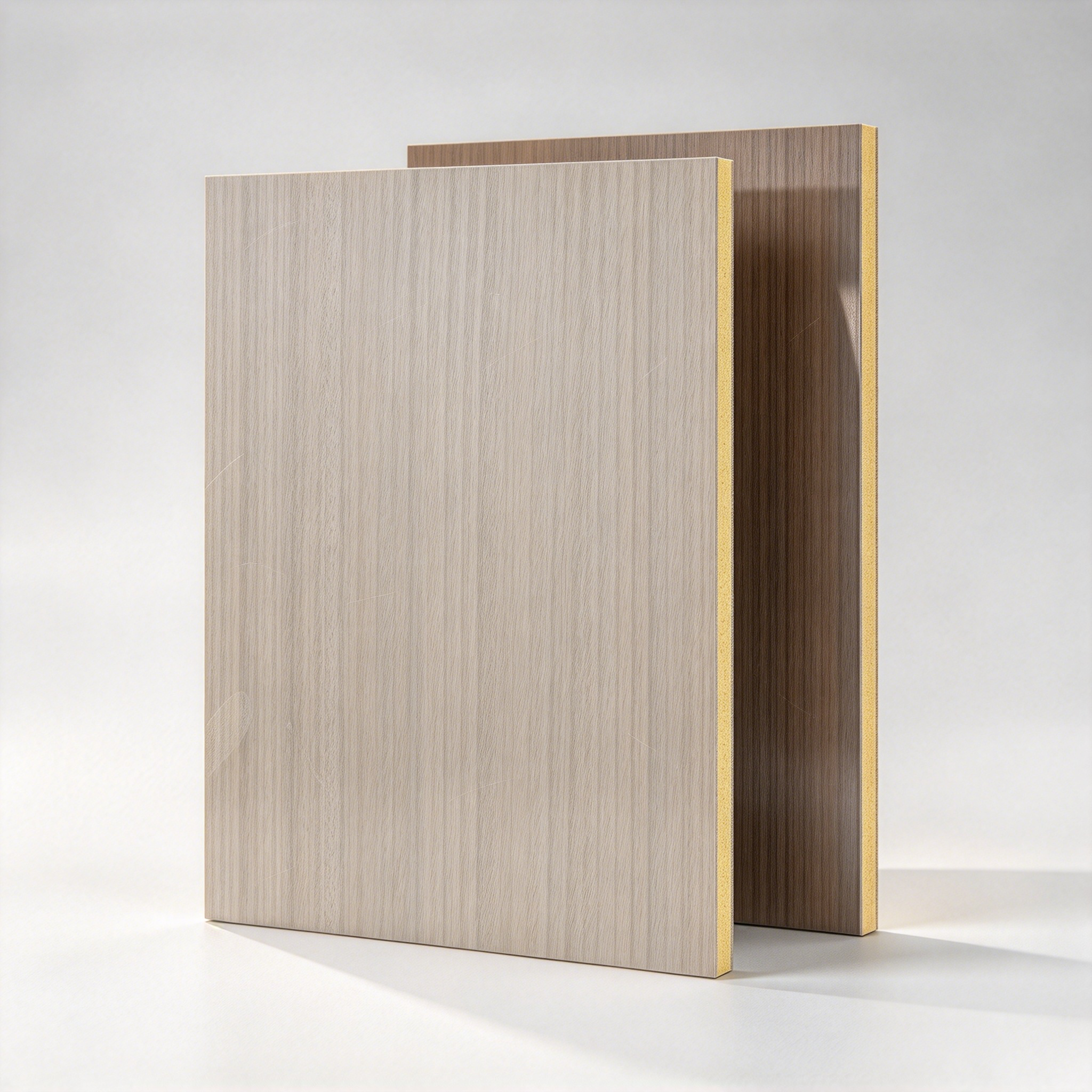
The manufacturing process relies on a precise balance of organic and synthetic raw materials. Producers combine fine wood flour—frequently salvaged from woodworking byproduct—with polymers such as polyethylene (PE), polypropylene (PP), or polyvinyl chloride (PVC). Chemical coupling agents, color pigments, and ultraviolet (UV) stabilizers are added to the batch. These additives ensure that the plastic bonds securely with the organic fibers at a molecular level.
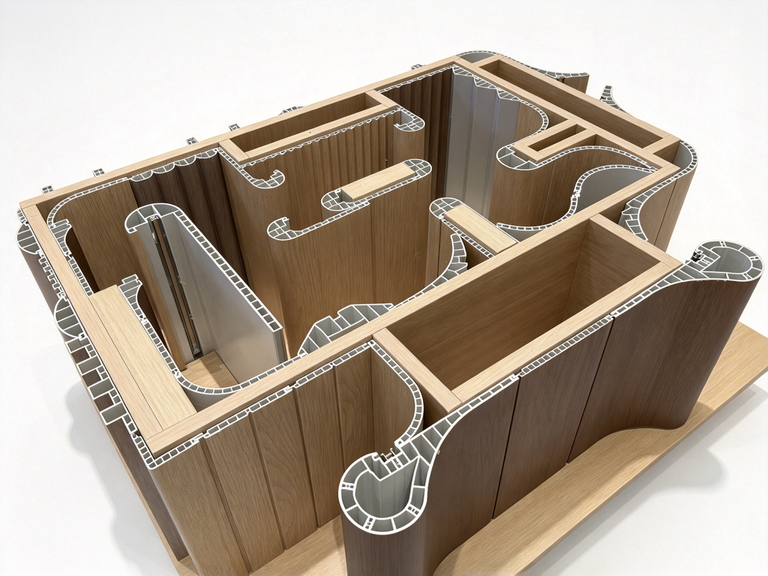
Most premium panels undergo continuous co-extrusion. During this automated sequence, the core mixture is pushed through a high-pressure mold to form the structural profile. Simultaneously, the manufacturing line applies an exterior polymer shield, known as a capping layer, over the composite core. This protective skin shields the internal wood particles from ambient moisture, staining agents, and surface friction.
The resulting wpc wall panel exhibits high density and exceptional dimensional stability. Unlike natural timber, which absorbs moisture across grain lines, composite boards expand and contract uniformly. Consequently, they resist thermal shock, resisting the internal stresses that typically lead to splitting, cupping, or surface checking over time.
What Are the Main Benefits of Installing WPC Wall Panels?
Installing composite paneling delivers immediate protection against moisture degradation, structural pests, and labor-intensive seasonal upkeep. These boards resolve the most common maintenance challenges associated with interior drywall and exterior wood siding.
Resistance to water stands out as the primary functional benefit. Because thermoplastics fully coat the wood fibers, moisture cannot penetrate the core structure. Therefore, the boards do not support the biological growth of rot, fungal decay, or black mold. In addition, subterranean termites and boring beetles cannot digest the plastic-infused matrix, making pest damage a non-issue.
Maintenance requirements remain exceptionally low throughout the product lifespan. Natural timber demands periodic sanding, chemical stripping, and reapplications of paint or protective stains every few years. In contrast, a wpc wall panel keeps its factory color and surface integrity with only occasional basic washing. This stability reduces long-term ownership expenses and saves significant manual labor.
Composite cladding also improves environmental ergonomics inside residential and commercial structures:
- Acoustic attenuation: The dense core and hollow fluted chambers absorb sound reflections, noticeably reducing room echo.
- Thermal resistance: The composite material acts as a supplementary insulating barrier that slows heat transfer across wall assemblies.
- Impact resistance: The surface resists gouges from furniture, pets, and foot traffic far better than soft drywall or standard pine panels.
- Fire performance: Most architectural-grade panels incorporate flame-retardant additives that comply with standard commercial building safety codes.
How Does a WPC Wall Panel Compare to Traditional Wood and PVC?
A wpc wall panel bridges the gap between natural timber and pure synthetic plastic by balancing aesthetic warmth with industrial durability. Understanding these material trade-offs helps property owners choose the right product for specific project requirements.
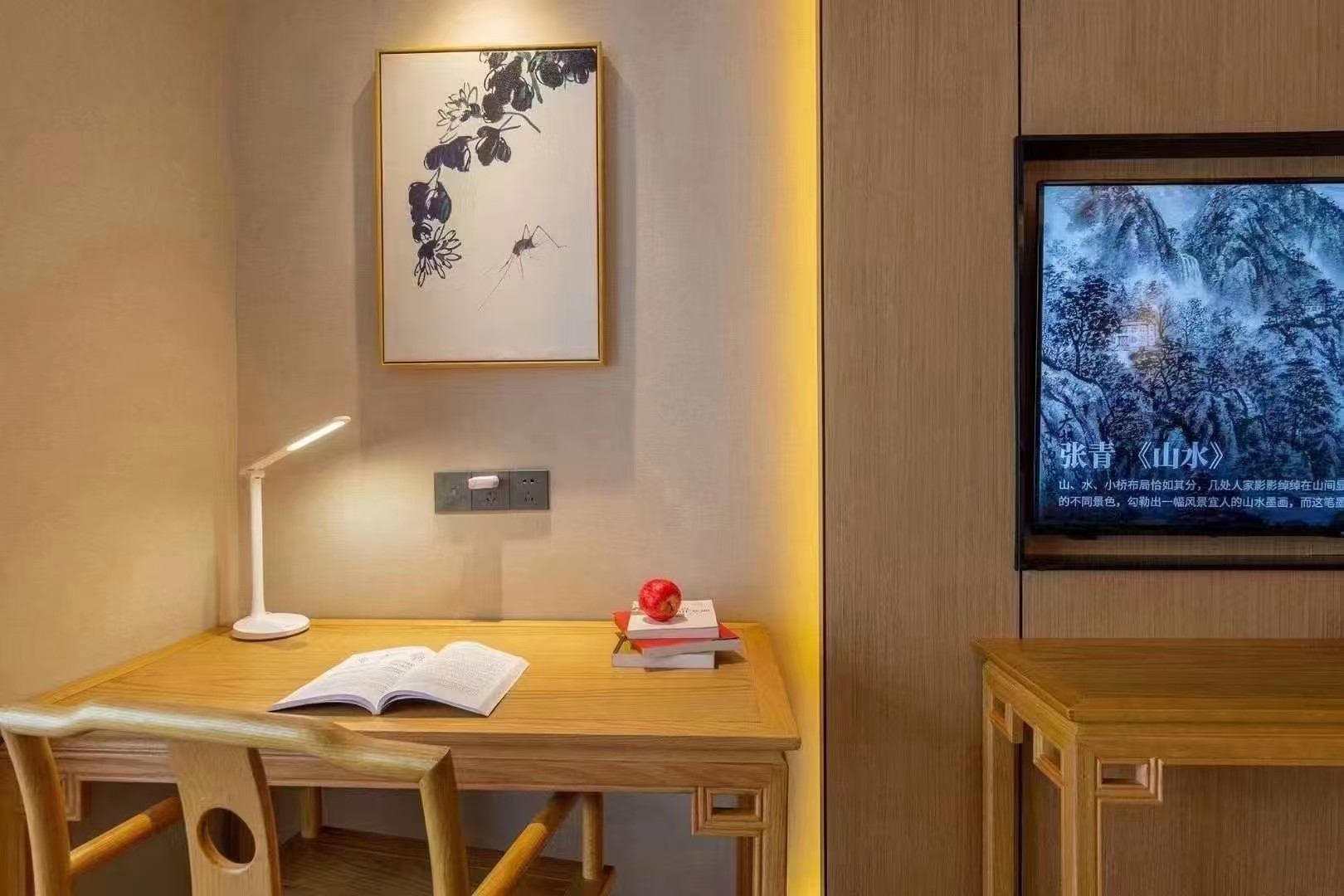
Solid wood provides unmatched historical authenticity and natural variation. However, natural lumber is vulnerable to relative humidity shifts. Timber warps, cracks, and rots when exposed to seasonal weather or interior wet zones. Solid wood also requires routine chemical sealing to prevent deterioration. A composite panel mimics the warm appearance of wood grain while eliminating these biological failure points entirely.
Pure PVC panels provide high moisture resistance at a very low upfront cost. However, hollow PVC boards feel lightweight, sound hollow when tapped, and scratch easily. Under direct sunlight or thermal cycling, cheap PVC can become brittle and crack. A composite wall panel contains substantial wood mass, giving it a solid feel, superior screw-holding power, and an authentic matte finish rather than an artificial, shiny plastic sheen.
| Performance Factor | WPC Panel | Solid Hardwood | Hollow PVC |
|---|---|---|---|
| Moisture Resistance | Exceptional (hydrophobic core) | Poor (absorbs water, prone to rot) | Complete (impervious to water) |
| Maintenance Needs | Minimal (mild soap washing) | High (regular sanding and sealing) | Low (simple surface wiping) |
| Impact Durability | High (dense, solid structure) | Moderate to High (species dependent) | Low (cracks under moderate force) |
| Visual Warmth | High (deep matte textures) | Exceptional (natural organic grain) | Low (often reflective and plastic) |
| Long-Term Value | High (low lifecycle upkeep) | Moderate (ongoing maintenance costs) | Low to Moderate (frequent replacements) |
What Types and Finishes of WPC Wall Panels Are Available?
Manufacturers produce composite boards in diverse structural profiles and surface treatments to match both minimalist modern architecture and rustic interior spaces. Selecting the right combination of profile geometry and color finish determines the room’s final visual character.
Structural Profiles
Fluted or slatted panels represent the most popular interior configuration. These boards feature alternating raised ribs and recessed shadow channels that introduce linear depth to flat surfaces. For clean exterior siding, flat-edge shiplap profiles interlock seamlessly to create tight, weatherproof vertical or horizontal lines. Deep three-dimensional relief panels feature geometric facets that catch light, making them suitable for bold commercial feature installations.
Finishes and Textures
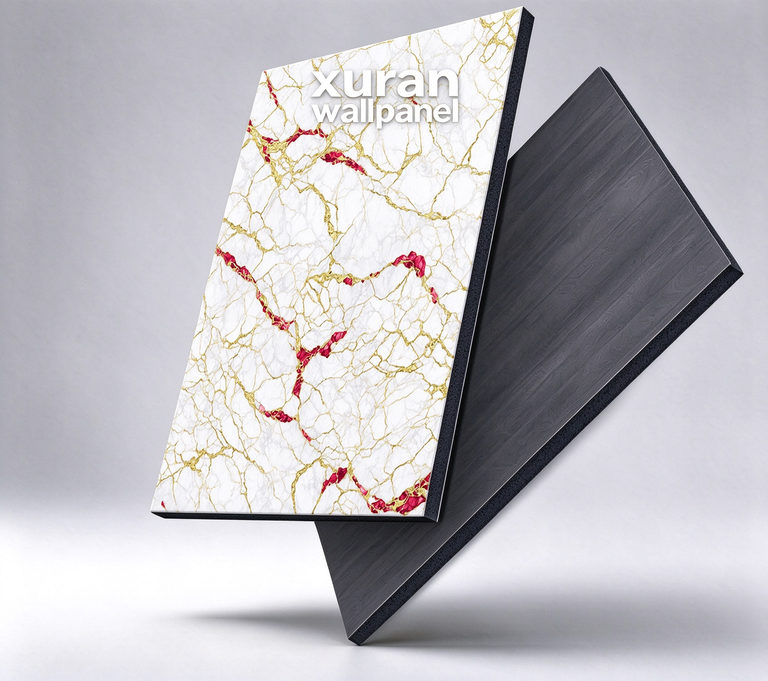
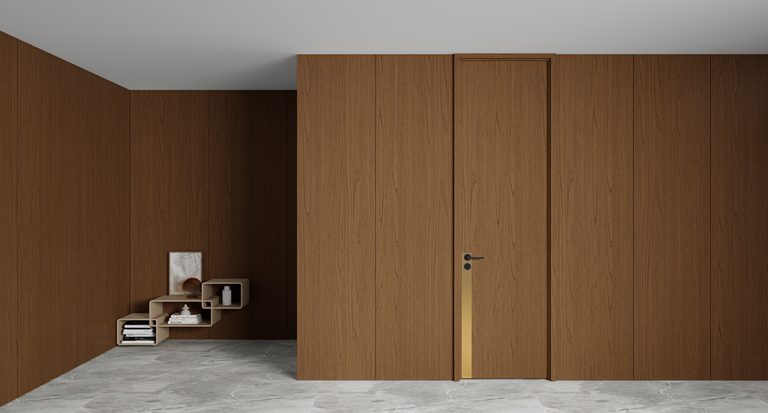
Modern extrusion tooling imparts natural surface textures directly into the composite surface during production. Popular choices include brushed teak, muted white oak, deep walnut, and charred Japanese cedar styles. For urban and modern industrial aesthetics, manufacturers also offer smooth matte finishes that replicate architectural concrete, patinated metal, or honed slate.
Capped vs. Uncapped Boards
Choosing between capped and uncapped options impacts overall durability. First-generation uncapped composite panels leave the blended wood and plastic compound exposed to the elements. These uncapped panels are cost-effective for basic indoor accents, but they can absorb oil stains and fade over time. In contrast, co-extruded capped boards feature an impermeable outer polymer jacket. This tough shell wraps the decorative face, delivering superior scratch resistance and UV protection.
Can You Use WPC Wall Panels for Both Interior and Exterior Walls?
You can install composite panels in both interior and exterior environments, provided you select the specific engineering grade designed for that location. Exterior-grade panels incorporate stronger UV inhibitors and specialized mechanical profiles to withstand outdoor weather.
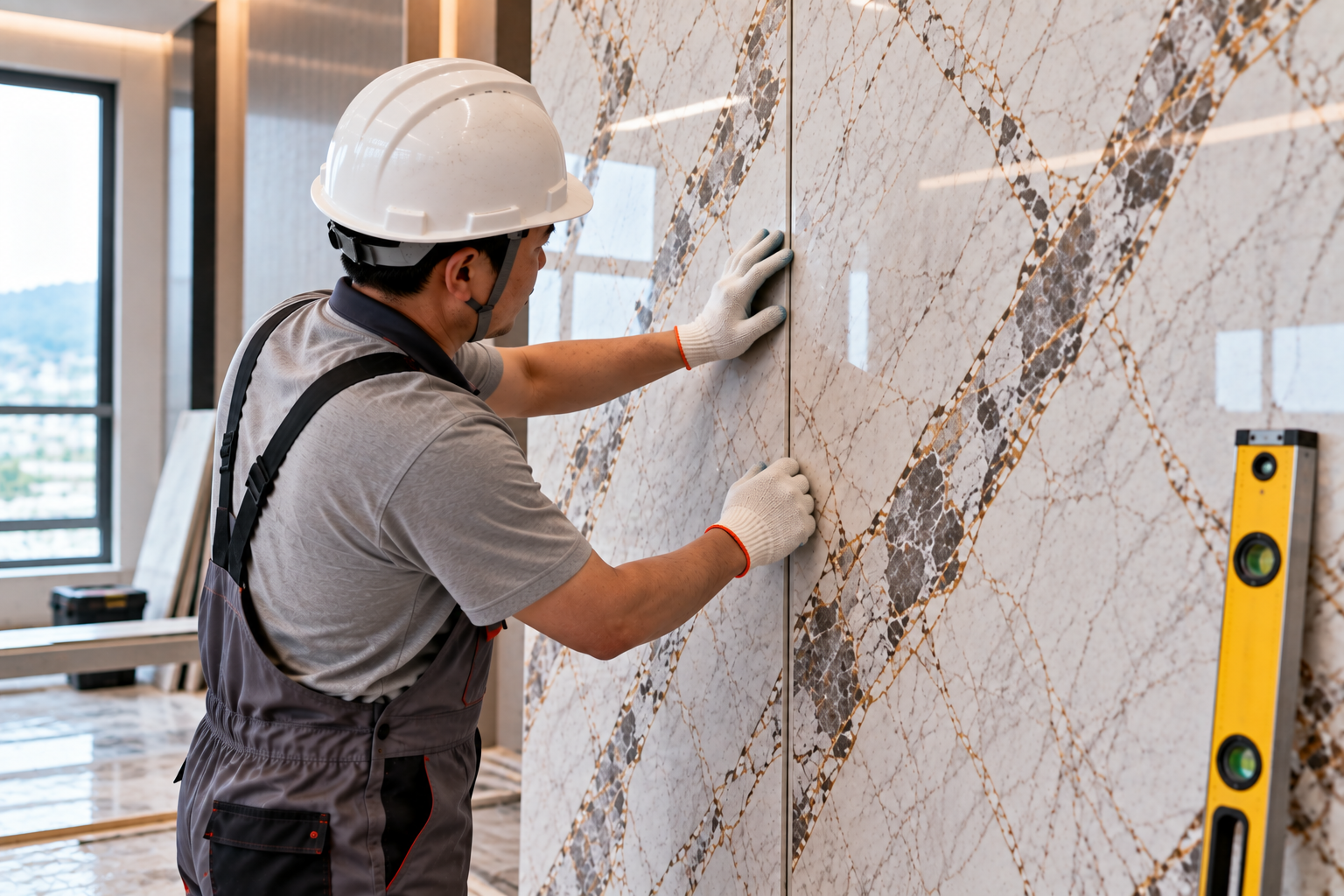
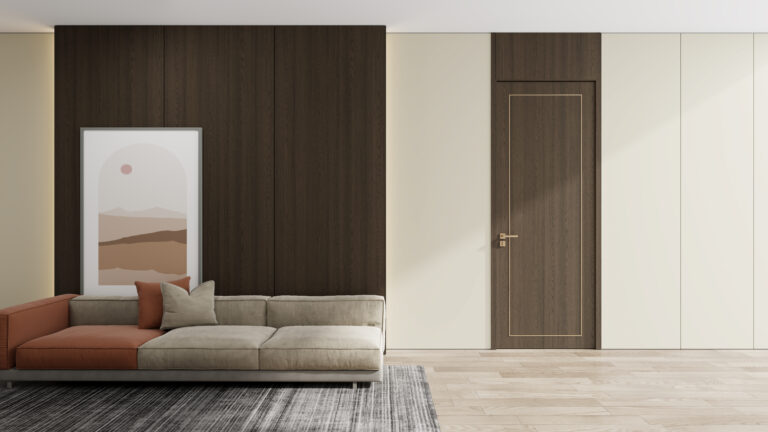
For interior projects, designers use a wpc wall panel to create visual focus in open-plan spaces. These boards make dramatic television media walls, bedroom headboard backings, entryway mudroom cladding, and stairwell treatments. Interior versions rely primarily on lighter cores and decorative profile shapes, because indoor walls do not face temperature extremes or wind-driven rain.
Exterior installations demand heavy-duty composite siding capable of enduring severe environmental exposure. Outdoor panels must feature advanced UV stabilizers to prevent color fading from solar radiation. Furthermore, exterior cladding assemblies must accommodate thermal expansion. Contractors install these panels over weather-resistive barriers using hidden clip systems that allow the composite material to expand and contract smoothly across changing seasons.
Composite panels also perform reliably in humid transition zones.
They thrive in covered patio ceilings, outdoor kitchens, home gym spaces, and laundry utility rooms. While suitable for residential powder rooms and half-baths, full-submersion zones—such as the inside of a shower stall—require specialized continuous waterproof membrane systems rather than decorative interlocking panels.
How Do You Install a WPC Wall Panel Step-by-Step?
Installing a wpc wall panel requires basic carpentry equipment, systematic surface preparation, and strict adherence to expansion allowances. Following an organized workflow ensures an even surface and hidden fastening lines.
Required Tools and Preparation
Gather a fine-tooth miter saw, a cordless drill, a laser level, a tape measure, structural adhesive, and corrosion-resistant screws. Before beginning work, store the composite boards flat inside the installation space for at least 48 hours. This acclimatization step lets the material adjust to the room’s ambient temperature and humidity, which prevents post-installation buckling.
Step 1: Sub-Wall Leveling and Battens
Inspect the mounting surface for plumb and dryness. Never fasten panels directly to uneven drywall or damp masonry. Instead, install treated timber furring strips or aluminum battens perpendicular to the planned panel direction. Space these battens 12 to 16 inches on center. This framing framework creates a flat installation plane and leaves a small air gap behind the boards to prevent trapped moisture.
Step 2: Securing the Starter Row
Establish a level reference line using your laser level across the bottom of the wall assembly. Fasten corrosion-resistant starter clips onto the furring battens along this guide line. Seat the bottom groove of the first wpc wall panel firmly into these clips. Verify that the first board is plumb, because any tilt at this stage will multiply across the entire wall.
Step 3: Fastening and Interlocking Boards
Slide hidden metal mounting clips into the tongue channel of the installed board and screw them directly into the furring battens behind it. For interior jobs, apply a zigzag bead of construction adhesive to the back of each panel for extra stability. Slide the groove edge of the second board over the tongue of the first, fully concealing the mounting screws. Continue this interlocking process across the entire wall surface.
Step 4: Trims and Perimeters
Leave a 1/8-inch (3 mm) expansion clearance gap at all floor, ceiling, and corner intersections. Seal these perimeter gaps using color-matched composite edge profiles, universal L-trims, or custom baseboards. These dedicated trim profiles protect raw panel cuts from physical impact and give the project a clean, professional finish.
Are WPC Wall Panels Truly Eco-Friendly and Sustainable?
Wood-plastic composites offer genuine environmental advantages by diverting industrial waste from landfills and reducing commercial logging pressure. Their manufacturing cycle fits naturally into modern circular economy goals.
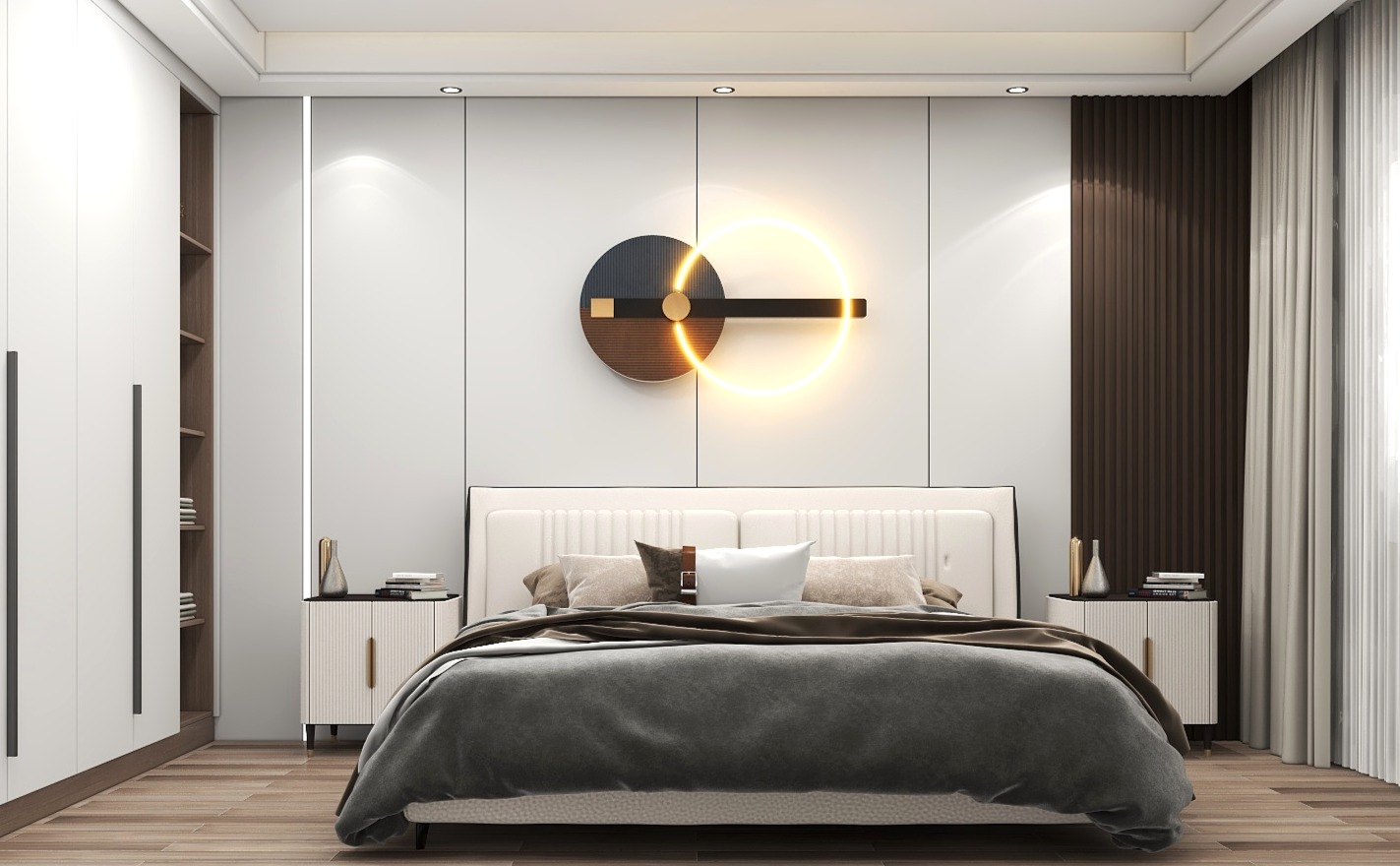
The organic raw materials in these panels come largely from reclaimed post-industrial wood flour. This byproduct is sourced from furniture factories, lumber mills, and window manufacturing plants. Instead of burning this residual timber dust or dumping it into landfills, composite producers refine and repurpose it into long-lasting building materials. Consequently, using composite cladding helps preserve old-growth forests by offering an alternative to virgin hardwood.
The synthetic fraction often incorporates recycled consumer plastics, such as high-density polyethylene (HDPE) milk jugs, detergent containers, and commercial plastic wrapping. Transforming these discarded polymers into building materials keeps stubborn non-biodegradable waste out of municipal garbage streams. Moreover, advanced manufacturing facilities capture and reuse their cooling water and recycle off-spec panels back through the extrusion line.
Indoor environmental quality represents another important sustainability metric. High-grade composite panels produce minimal volatile organic compound (VOC) emissions because they do not require post-installation paints, solvents, or chemical stains. Many top brands carry zero-formaldehyde certifications, which helps maintain clean indoor air in residential bedrooms and offices.
How Do You Clean and Maintain a WPC Wall Panel?
Cleaning a wpc wall panel requires simple techniques and mild household supplies. Its non-porous exterior capping layer repels common domestic spills, eliminating the need for expensive specialty maintenance products.
For regular dust maintenance, clean the panel grooves weekly using an electrostatic dust wand, a soft microfiber cloth, or a vacuum cleaner with a soft brush attachment. This quick step prevents airborne dust and pet hair from collecting within deep fluted shadow lines.
When the wall needs a deeper cleaning, follow these practical steps:
- Mix warm tap water with a small amount of pH-neutral liquid dish soap in a bucket.
- Dip a non-abrasive microfiber towel or soft sponge into the solution and wring out excess liquid.
- Gently wash the panel surfaces along the direction of the wood grain embossing.
- Lift kitchen oil stains or sticky fingerprints using a 50/50 mix of warm water and white vinegar applied with a soft nylon brush.
- Rinse the surface with a cloth dampened with clean water to lift residual soap film.
- Dry the wall using a lint-free towel to prevent mineral spots from hard water.
Certain cleaning practices can permanently damage the composite material. Never use abrasive scouring pads, steel wool, or stiff wire brushes, as these tools will scratch the protective outer cap. Avoid harsh industrial chemicals, such as acetone, chlorinated bleach, turpentine, or heavy solvent degreasers, which can dissolve the protective polymer capping. When washing exterior cladding, use a standard garden hose with a spray nozzle rather than holding a high-pressure washer close to the board joints.
How Much Does a WPC Wall Panel Cost and Is It Worth It?
While a wpc wall panel requires a higher initial investment than basic drywall or inexpensive pine siding, it yields reliable long-term value. Eliminating recurring maintenance costs offsets the upfront price premium within a few years of installation.
Material costs depend on the panel’s profile, engineering grade, and capping technology. Interior decorative fluted panels usually range from moderate to premium prices per square foot, depending on the thickness and acoustic backing options. Heavy, co-extruded exterior-rated siding boards cost more due to their UV-protective layers, greater thickness, and structural rating requirements. Accessory components—such as hidden mounting hardware, starter rails, corner profiles, and edge trims—typically add roughly 15 to 20 percent to overall material costs.
Installation costs vary based on your project approach. Experienced DIY builders with standard woodworking equipment can handle interior feature walls themselves, avoiding professional carpentry fees. However, complex exterior facades often call for licensed contractors who understand weather-resistive barriers, flashing integration, and local wind-load engineering codes.
The long-term return on investment becomes clear when calculating lifecycle expenses. Traditional lumber siding demands regular repainting, staining, and rot repairs throughout its working life. A composite wall panel eliminates these costly recurring maintenance cycles entirely. As a result, property owners enjoy a modern architectural finish that preserves its appearance and structural integrity for decades without ongoing maintenance expenses.
Key Takeaways
- Wood-plastic composite panels blend reclaimed wood fibers and recycled polymers into a water-resistant, termite-proof cladding solution.
- The protective co-extruded cap layer stops surface stains, scratches, and UV fading, eliminating the need to paint or sand the boards.
- Profiles range from interior fluted slat patterns to exterior shiplap siding, supporting both functional indoor accents and durable outdoor facades.
- Straightforward tongue-and-groove engineering allows clean installations over furring strips using hidden mechanical clips.
- Lower lifetime maintenance, coupled with the use of recycled materials, makes composite cladding an economical and eco-friendly alternative to real wood.
Frequently Asked Questions
Are WPC wall panels 100% waterproof?
Yes, quality capped composite panels are virtually impervious to moisture damage. The dense polymer shell prevents liquid absorption, making them resistant to rot, mold, and warping. However, the wall framework behind the panels requires adequate drainage and ventilation, because composite panel systems do not function as single-sheet waterproof membranes.
Can WPC wall panels be installed in bathrooms or kitchens?
You can safely install a wpc wall panel in half-baths, laundry rooms, and kitchen dining areas because the material tolerates high ambient humidity and steam. However, avoid mounting them inside direct wet enclosures like shower stalls, where persistent pressurized water can seep between the interlocking joints.
How long do WPC wall panels typically last?
When properly installed and maintained, architectural-grade composite panels regularly perform for 20 to 30 years or more. Their synthetic-and-wood formulation resists structural decay, pest infestation, and surface cracking, which helps them significantly outlast traditional softwood paneling in both interior and exterior installations.
Do WPC wall panels fade when exposed to direct sunlight?
High-grade exterior panels contain advanced UV-inhibiting compounds that minimize color shifting caused by direct sunlight. First-generation uncapped boards may experience mild lightening during their initial months outdoors. However, modern co-extruded panels maintain their deep color tone and surface finish reliably across many seasons of sun exposure.
Can you paint or stain a WPC wall panel?
Standard paints and timber stains cannot bond securely to the non-porous polymer cap of a modern composite panel. Painting these boards can cause uneven adhesion, bubbling, and premature peeling. Instead of painting, choose a factory-applied finish that matches your design goals directly out of the box.