Importing decorative wall panels from China offers significant opportunities for construction companies, interior designers, building material distributors, contractors, and wholesale importers seeking competitive prices and diverse product selections.
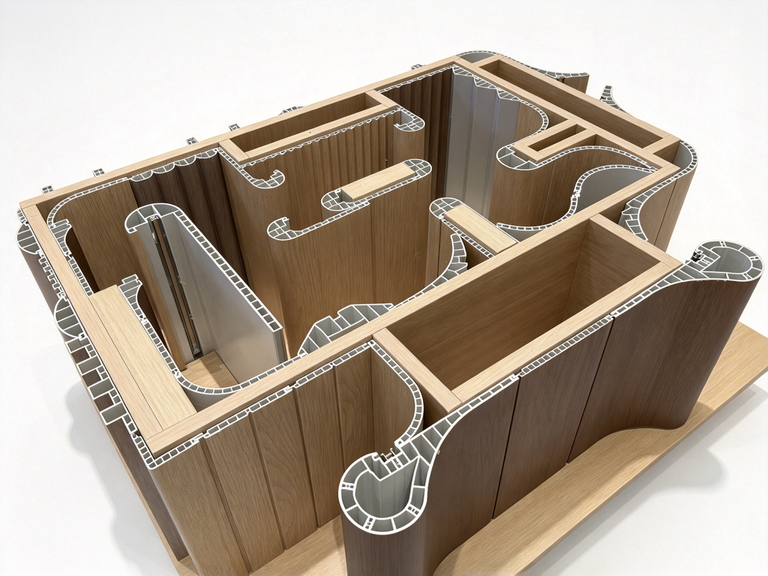
China has become a major manufacturing center for decorative wall panels, supplying international markets with PVC wall panels, WPC wall panels, acoustic panels, bamboo charcoal panels, UV marble sheets, and other innovative interior decoration materials.
However, successful importing requires more than identifying an inexpensive supplier. We must evaluate manufacturers, verify product quality, understand international shipping procedures, calculate import costs, and ensure compliance with destination-country regulations.
In this comprehensive guide, we explain how to import decorative wall panels from China, from selecting suitable products and identifying reliable manufacturers to negotiating wholesale prices, arranging international transportation, and clearing customs.
1. Why Import Decorative Wall Panels from China?
China offers several advantages for businesses purchasing decorative wall panels in bulk.
Competitive Manufacturing Costs
Chinese manufacturers benefit from established raw material supply chains, large production capacities, specialized machinery, and extensive experience in international manufacturing.
By purchasing directly from factories, we can often reduce procurement costs compared with sourcing through multiple intermediaries.
The actual savings depend on product specifications, order quantities, shipping expenses, import duties, and local distribution costs.
Extensive Product Selection
Chinese decorative wall panel manufacturers offer numerous materials, textures, colors, dimensions, and surface finishes.
Common products include:
-
PVC wall panels: Lightweight, moisture-resistant decorative panels commonly used for interior wall coverings.
-
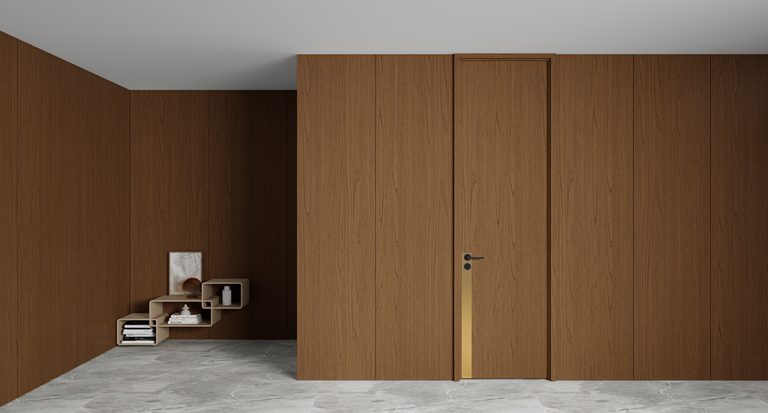
WPC wall panels: Wood-plastic composite panels featuring wood-inspired textures and decorative fluted profiles.
-
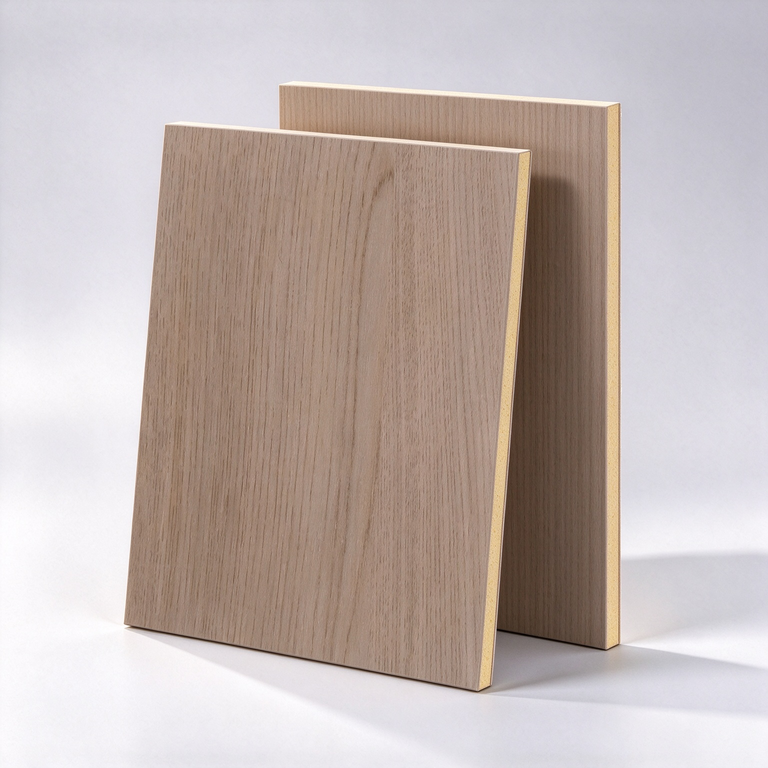
Bamboo charcoal wall panels: Decorative composite panels often manufactured with bamboo-derived carbon additives and laminated surface finishes.
-
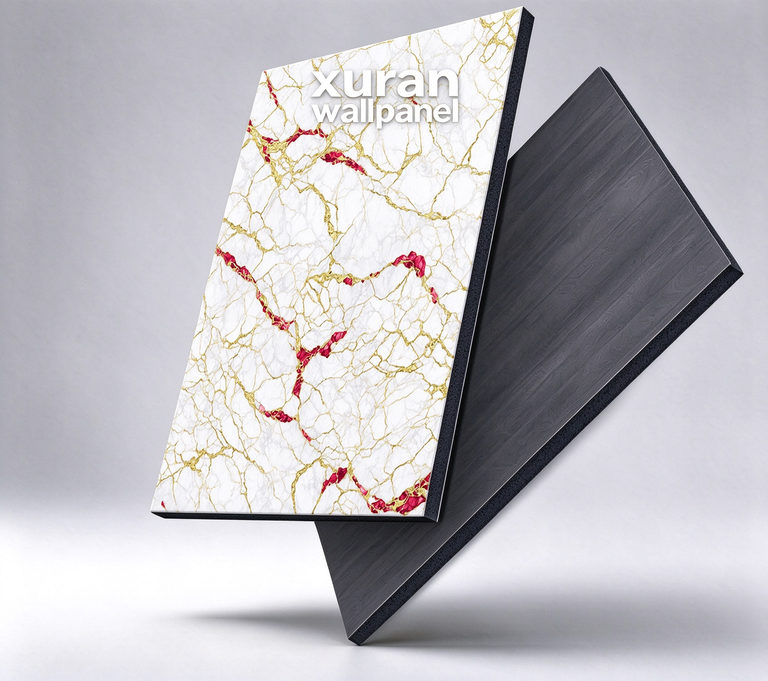
UV marble sheets: Decorative panels designed to reproduce the appearance of natural marble.
-
Acoustic wall panels: Products designed to improve sound absorption when appropriately constructed and installed.
-
3D decorative wall panels: Textured panels featuring geometric patterns, relief designs, and architectural surfaces.
-
SPC wall panels: Rigid stone-plastic composite panels suitable for certain interior finishing applications.
These product categories allow importers to serve residential, hospitality, commercial, and renovation markets.
Customization and Private Label Manufacturing
Many Chinese factories provide OEM and ODM decorative wall panel manufacturing services.
Depending on the manufacturer’s capabilities, we can customize panel dimensions, colors, decorative films, packaging, branding, and installation accessories.
Private labeling is particularly valuable for distributors building their own decorative building material brands.
2. Choose the Right Decorative Wall Panels for Your Market
Before contacting suppliers, we should identify which products are suitable for our customers, climate, building regulations, and installation requirements.
PVC Decorative Wall Panels
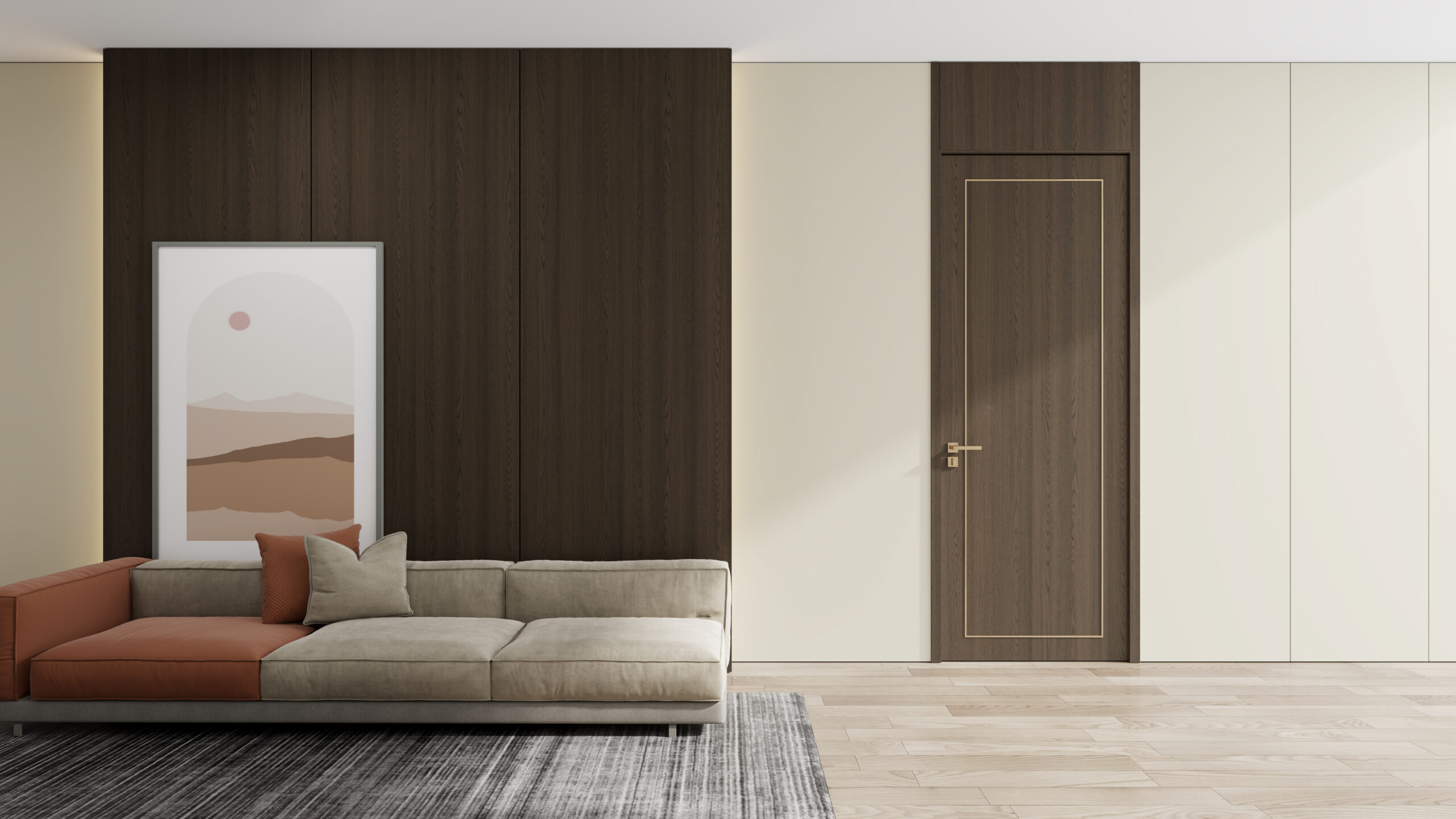
PVC decorative wall panels are widely used in residential renovations, retail interiors, and commercial decoration.
Their advantages often include lightweight construction, straightforward installation, and moisture resistance.
When evaluating PVC panels, we should examine:
-
Panel thickness and dimensions
-
PVC formulation and recycled material content
-
Surface coating and decorative film quality
-
Impact resistance and dimensional stability
-
Fire performance classification
-
Installation system and joint design
Moisture resistance should not be confused with complete waterproofing of the installed wall assembly.
WPC Decorative Wall Panels

Wood-plastic composite wall panels are popular for decorative feature walls, hotel interiors, reception areas, and contemporary commercial spaces.
WPC products combine polymer-based materials with wood fibers or other fillers, although formulations vary significantly between manufacturers.
We should request information about the material composition, profile density, installation clips, expansion allowances, and intended indoor or outdoor use.
Exterior applications require specific verification of weather resistance, ultraviolet stability, and installation suitability.
Bamboo Charcoal Decorative Wall Panels
Bamboo charcoal decorative panels have become a notable category in interior wall decoration.
These panels frequently feature printed or laminated finishes that resemble wood, stone, metal, or fabric.
We should verify the actual core material rather than relying exclusively on the product’s marketing name.
Important considerations include adhesive quality, surface durability, emissions testing, panel flatness, and fire performance.
UV Marble Decorative Sheets
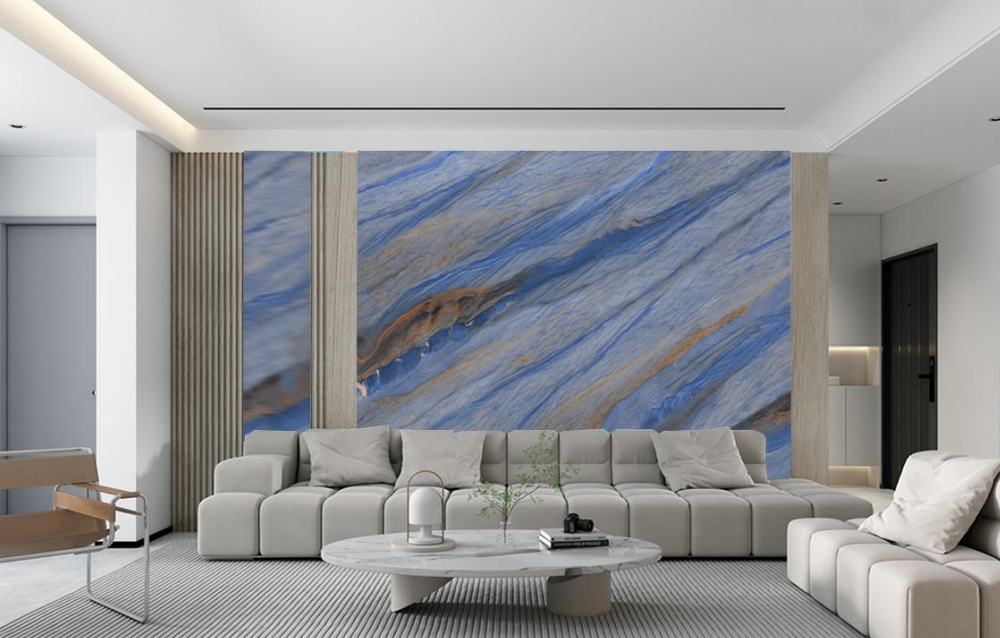
UV marble sheets provide the appearance of natural stone without the same weight or installation requirements as solid marble.
They are commonly considered for decorative feature walls, retail interiors, and selected commercial applications.
When sourcing these products, we should assess surface gloss, scratch resistance, print consistency, core thickness, and resistance to discoloration.
3. How to Find Reliable Decorative Wall Panel Manufacturers in China
Choosing a dependable supplier is one of the most important stages of importing decorative wall panels.
We should distinguish between actual manufacturers, trading companies, and sourcing agents because their responsibilities and production capabilities may differ.
Search Chinese B2B Supplier Platforms
Several platforms can help us identify potential suppliers.
| Supplier platform | Main advantage | Recommended use |
|---|---|---|
| Alibaba | Large international supplier directory | Comparing exporters and requesting quotations |
| Made-in-China | Extensive industrial supplier listings | Identifying manufacturers and product specifications |
| Global Sources | International sourcing network | Finding export-oriented suppliers |
| 1688 | Chinese domestic wholesale marketplace | Exploring domestic suppliers with local-language support |
These platforms are useful starting points, but a supplier listing alone does not guarantee manufacturing capability or product quality.
Verify Manufacturer Credentials
Before making substantial payments, we should request the supplier’s business registration information and confirm that the company is legally established.
Our verification process should include checking the registered company name, operating address, manufacturing location, and business scope.
We should also request recent factory photographs, production videos, product testing documentation, and export experience.
Where order value justifies the expense, an independent factory audit provides additional confidence.
Evaluate Production Capacity
A reliable manufacturer should be able to explain its monthly production capacity, standard lead times, available machinery, quality control procedures, and ability to handle repeat orders.
We should ask whether the supplier manufactures the panel core, applies decorative films, performs finishing operations, and handles packaging internally.
This information helps identify production dependencies that could affect delivery schedules.
4. Request Samples Before Placing a Wholesale Order
Product samples are essential when importing decorative wall panels from China.
Photographs and online catalogs cannot reliably demonstrate panel rigidity, surface texture, print quality, or actual color.
We recommend requesting samples from at least three qualified suppliers before selecting a manufacturing partner.
What Should We Check in Decorative Wall Panel Samples?
We should inspect the samples for:
-
Surface quality: Look for scratches, bubbles, uneven coatings, visible defects, and inconsistent decorative patterns.
-
Thickness consistency: Measure the material using suitable measuring equipment and compare the results with the supplier’s specifications.
-
Color accuracy: Evaluate the appearance under appropriate lighting conditions.
-
Edge quality: Inspect cutting accuracy, edge finishing, and joining profiles.
-
Material composition: Request technical documentation describing the core materials and surface layers.
-
Installation compatibility: Test how the panels connect with trims, clips, adhesives, and other accessories.
-
Mechanical durability: Assess whether the panels meet the performance requirements of their intended application.
For projects requiring regulatory compliance, we should arrange appropriate laboratory testing rather than relying solely on visual inspection.
An approved sample should become the reference standard for subsequent mass production.
5. Understand Decorative Wall Panel Wholesale Prices in China
The wholesale price of decorative wall panels depends on the material, dimensions, thickness, surface treatment, manufacturing complexity, packaging, and order volume.
What Influences Factory Prices?
Raw material quality is a major cost factor. Two panels with identical appearances may contain different formulations, reinforcing materials, or surface coatings.
Panel thickness and weight also affect manufacturing costs and international transportation expenses.
Specialized decorative finishes, custom molds, premium laminates, and low-volume color requirements may increase the unit price.
How to Request Accurate Supplier Quotations
We should send suppliers a detailed request for quotation containing the following information:
-
Product category and intended application
-
Required length, width, and thickness
-
Surface color, texture, and finish
-
Estimated order quantity
-
Packaging requirements
-
Accessories and installation components
-
Required test reports and certifications
-
Destination port
-
Preferred Incoterms
-
Target delivery schedule
We should request quotations in a consistent unit, such as price per square meter, per panel, or per carton.
Comparing suppliers becomes much easier when the specifications and commercial terms are identical.
Compare Total Landed Costs Instead of Factory Prices Alone
The lowest factory price does not always produce the lowest final cost.
For example, consider a hypothetical shipment containing 3,000 square meters of decorative wall panels.
| Cost component | Illustrative amount |
|---|---|
| Product cost | $12,000 |
| International freight | $2,200 |
| Cargo insurance | $150 |
| Import duties | $750 |
| Customs and destination handling | $650 |
| Total landed cost | $15,750 |
The resulting landed cost is $5.25 per square meter.
These figures are illustrative rather than current supplier quotations. Actual costs depend on the destination country, tariff classification, shipment volume, and commercial terms. Recoverable taxes should be treated separately when calculating the business’s final economic cost.
6. Understand Minimum Order Quantities (MOQ)
Chinese decorative wall panel factories often establish minimum order quantities to maintain efficient production.
MOQ requirements may be calculated by panel count, square meters, cartons, colors, or full production batches.
Standard products usually offer greater purchasing flexibility than fully customized designs.
When negotiating MOQ, we can explore combining several standard colors into one shipment, using existing molds, or accepting the manufacturer’s regular production dimensions.
For initial orders, purchasing a smaller quantity at a slightly higher unit price may be preferable to committing excessive inventory before market demand has been established.
7. Choose the Best Shipping Method for Decorative Wall Panels from China
International shipping is a major consideration because decorative wall panels can occupy substantial container space.
We should select the transportation method according to shipment size, urgency, cargo dimensions, and overall cost.
Sea Freight for Bulk Decorative Wall Panels
Sea freight is generally the preferred option for large wholesale orders.
There are two common shipment arrangements.
Full Container Load (FCL) is suitable when we have sufficient cargo to justify reserving a container.
Less than Container Load (LCL) allows smaller shipments to share container space with other importers’ goods.
For long, rigid, or easily damaged panels, we must assess whether LCL handling introduces additional risks.
Air Freight for Samples and Urgent Shipments
Air freight is usually more expensive than sea freight, particularly for bulky products.
However, it can be useful for samples, small urgent orders, and lightweight decorative materials.
Before selecting air transportation, we should compare actual cargo weight with volumetric weight.
Understand Container Loading Capacity
Decorative wall panels may be limited by either container volume or payload weight.
The number of panels that fit inside a container depends on panel length, thickness, carton dimensions, pallet configuration, and packaging design.
We should request a container loading plan from the supplier showing carton quantities, gross weight, total volume, and stacking arrangements.
8. Select Appropriate Incoterms for Importing Wall Panels
Incoterms define important responsibilities between buyers and sellers in international trade.
The most commonly discussed arrangements include EXW, FOB, CIF, and DDP.
| Incoterm | General responsibility arrangement |
|---|---|
| EXW | Buyer takes responsibility from the seller’s premises, subject to the agreed rules |
| FOB | Seller delivers goods on board the vessel at the named shipment port |
| CIF | Seller pays agreed freight and insurance to the destination port, while risk transfers at shipment |
| DDP | Seller assumes extensive delivery and import clearance responsibilities |
We should specify Incoterms 2020 and the exact named place or port in the purchase agreement.
For new importers, FOB can offer a useful balance between supplier responsibilities and buyer control over international freight.
CIF may simplify freight procurement, but we must understand that payment of freight does not mean the seller retains transit risk until arrival.
DDP arrangements require particular care because the seller must be able to fulfill the destination country’s customs and tax obligations.
9. Prepare the Documents Required to Import Decorative Wall Panels
Accurate shipping documents help prevent customs delays, additional charges, and delivery problems.
Commercial Invoice
The commercial invoice normally identifies the seller, buyer, product description, quantity, transaction value, currency, and applicable commercial terms.
Descriptions should accurately reflect the actual goods rather than relying on vague labels such as decorative materials.
Packing List
The packing list should provide carton quantities, package dimensions, gross weight, net weight, and packaging details.
These figures should be consistent with the physical shipment.
Bill of Lading
For sea freight, the bill of lading is an important transportation document issued by the carrier or its authorized representative.
The appropriate document type and release procedure depend on the shipment arrangement.
Certificate of Origin
Some destination countries or preferential trade arrangements may require origin documentation.
We should confirm whether a certificate of origin is necessary and whether the goods qualify for any applicable preferential tariff treatment.
Product Test Reports and Compliance Documents
Depending on the destination market and intended use, we may need documentation relating to fire performance, chemical emissions, material composition, or other product safety requirements.
We should confirm the applicable standards before placing the order.
10. Determine the Correct HS Code and Import Duties
The Harmonized System (HS) code is essential for customs classification.
Decorative wall panels cannot all be classified under one universal tariff code.
Classification depends on their material composition, construction, and specific characteristics.
For example, PVC panels, wood-based panels, and composite products may fall under different tariff headings.
We should obtain a detailed technical description and consult a qualified customs broker or the destination country’s customs authority before finalizing classification.
The final import duty may depend on the product’s classification, country of origin, applicable trade agreements, and current tariff measures.
Incorrect classification can result in additional duties, penalties, or shipment delays.
11. Check Import Regulations and Product Safety Standards
Building materials may be subject to safety and performance requirements in their destination markets.
We must distinguish between manufacturer marketing claims, laboratory test results, and formal regulatory approval.
Fire Performance Requirements
Fire performance is particularly important for decorative panels installed in commercial buildings, public spaces, corridors, and other regulated locations.
Different countries use different fire classification and testing systems.
For example, European construction products may be subject to applicable reaction-to-fire classifications, while certain North American projects may require testing under ASTM E84 or other relevant standards.
A test report must be applicable to the specific product and, where required, its installation configuration.
We should not assume that a panel described as fire-resistant or fire-retardant automatically complies with local building regulations.
Formaldehyde and VOC Emissions
For products containing wood-based materials, resins, adhesives, or laminated finishes, indoor air quality requirements may be relevant.
We should request emissions test reports appropriate to the product and destination market.
Testing should be performed by competent laboratories using the standards required by the intended market.
Moisture and Durability Testing
Moisture resistance, dimensional stability, impact resistance, and surface durability can be important for product suitability.
We should match testing requirements to the actual installation environment rather than relying on general marketing descriptions.
12. Arrange Quality Inspection Before Shipment
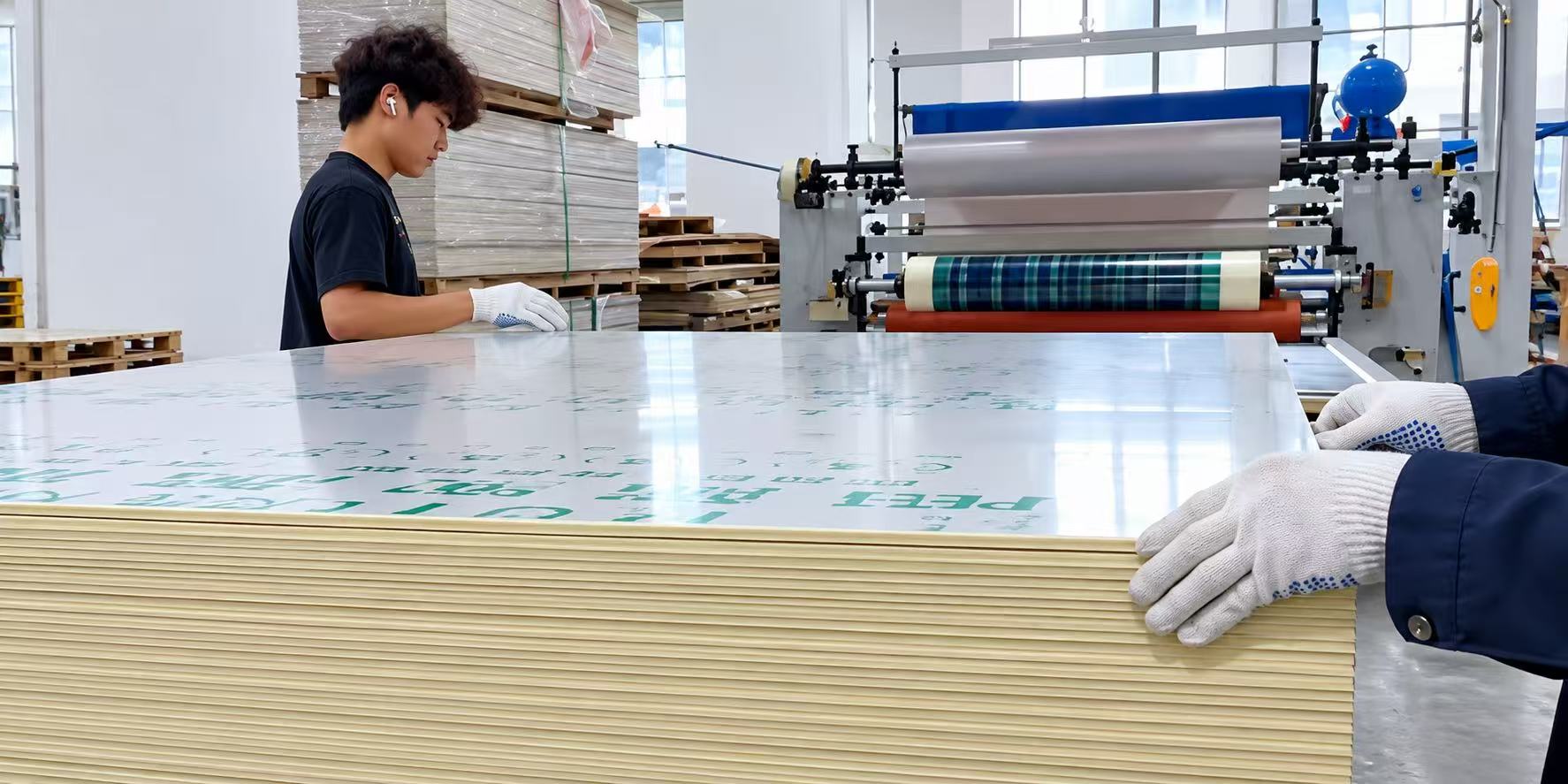
A pre-shipment inspection can reduce the risk of receiving defective or nonconforming decorative wall panels.
Independent inspection companies can evaluate goods before the shipment leaves the factory.
What Should a Pre-Shipment Inspection Cover?
We recommend verifying product quantity, dimensions, surface quality, color consistency, packaging, labeling, and accessories.
The inspection should compare the manufactured products with the approved sample and purchase agreement.
For large orders, we may also arrange inspection during production to identify problems before the entire batch is completed.
Use Clearly Defined Acceptance Criteria
We should agree on acceptable tolerances and inspection procedures before manufacturing begins.
These may include thickness tolerance, dimensional tolerance, acceptable visual defects, and sampling methodology.
Where appropriate, we can adopt an agreed acceptance quality limit (AQL) sampling plan.
AQL inspection is a sampling approach, not a guarantee that every individual panel is defect-free.
13. Negotiate Safe Payment Terms with Chinese Suppliers
International purchasing requires careful payment management.
Common payment methods include telegraphic transfer, documentary letters of credit, and platform-based payment arrangements.
Some suppliers offer staged payments, such as a deposit followed by a balance payment before shipment.
The exact percentage is negotiable and depends on order value, customization, supplier history, and commercial risk.
For an initial order, we should avoid paying the entire purchase price before conducting appropriate supplier verification.
We should also verify beneficiary banking information through a trusted, independent communication channel, especially when account details change unexpectedly.
A detailed purchase contract should identify product specifications, inspection requirements, payment milestones, delivery terms, and procedures for resolving quality disputes.
14. Protect Decorative Wall Panels During International Transportation
Improper packaging can cause costly damage to decorative panels.
Long panels may bend or break if inadequately supported. Glossy surfaces may scratch when cartons move during transportation.
We should establish packaging requirements before production.
Depending on the product, suitable protection may include protective surface film, reinforced cartons, corner protection, moisture barriers, and appropriately designed pallets or crates.
For sea freight, we should consider condensation risk and container loading conditions.
Any wood packaging materials must meet applicable international phytosanitary requirements, including ISPM 15 where required.
Cargo insurance should be evaluated according to shipment value, transit risk, and policy coverage.
15. Common Mistakes When Importing Decorative Wall Panels from China
Several avoidable mistakes can increase procurement costs and damage customer relationships.
Choosing suppliers based only on price can lead to inconsistent materials, inadequate packaging, or poor after-sales support.
Skipping sample approval makes it difficult to establish an objective quality reference.
Ignoring destination-country standards may result in products that cannot legally be used for their intended applications.
Failing to confirm total landed costs can undermine profit margins even when factory prices appear attractive.
Using incomplete purchase agreements can create disputes over dimensions, colors, material composition, and delivery schedules.
Ordering excessive inventory before testing customer demand can tie up working capital and increase storage expenses.
We can reduce these risks through careful supplier selection, documented specifications, independent inspections, and realistic cost planning.
16. Step-by-Step Process to Import Decorative Wall Panels from China
For a practical importing workflow, we recommend the following sequence.
-
Define product requirements. Determine materials, dimensions, finishes, installation applications, and target market standards.
-
Identify qualified suppliers. Shortlist manufacturers and verify their credentials and production capabilities.
-
Request quotations and samples. Compare products using consistent technical and commercial specifications.
-
Approve the final sample. Establish the reference standard for production.
-
Negotiate and sign the purchase agreement. Confirm pricing, quantities, payment, quality criteria, and delivery terms.
-
Arrange production monitoring. Verify progress and address any manufacturing issues.
-
Conduct pre-shipment inspection. Check the finished goods before authorizing dispatch.
-
Book international transportation. Confirm cargo dimensions, shipping documents, insurance, and freight arrangements.
-
Complete customs clearance. Submit accurate documentation and settle applicable import charges.
-
Inspect goods upon arrival. Record any transit damage, verify quantities, and evaluate the shipment before distribution.
17. How to Build a Profitable Decorative Wall Panel Import Business
Importing decorative wall panels can support a sustainable distribution business when we combine disciplined purchasing with effective inventory management.
Identify High-Demand Product Categories
We should research customer preferences among residential contractors, commercial interior designers, renovation businesses, and building material retailers.
Products that suit multiple interior styles and installation applications may provide broader sales opportunities.
However, demand varies by country, project type, and local design preferences.
Develop a Focused Product Catalog
Instead of stocking every available finish, we can begin with a manageable selection of popular colors, textures, and panel formats.
A focused catalog can simplify inventory planning and reduce the risk of slow-moving stock.
Offer Installation Accessories
Decorative wall panel customers may also require matching trims, corner profiles, adhesives, clips, and finishing components.
Providing compatible accessories can improve the customer experience and increase the value of each order.
Maintain Consistent Supplier Relationships
Long-term relationships with reliable manufacturers can support repeatable quality, better production planning, improved communication, and more predictable delivery schedules.
We should maintain documented specifications and approved samples for every regularly purchased product.
18. Frequently Asked Questions About Importing Decorative Wall Panels from China

Can we import decorative wall panels directly from Chinese factories?
Yes. Many Chinese manufacturers accept international wholesale orders directly. We should verify the supplier’s identity, export capabilities, and product specifications before purchasing.
What is the minimum order quantity for decorative wall panels?
Minimum order quantities vary according to manufacturer, product type, dimensions, and customization requirements. Standard products may be available in smaller quantities than custom-made designs.
How long does it take to import decorative wall panels from China?
The total timeline depends on sample approval, manufacturing lead time, shipping method, destination, and customs processing.
We should request separate estimates for production, export handling, international transit, and import clearance rather than relying on a single delivery estimate.
Which decorative wall panels are most suitable for wholesale importing?
PVC panels, WPC decorative panels, UV marble sheets, and bamboo charcoal panels are all potential wholesale categories. The best choice depends on local demand, regulatory requirements, installation conditions, and target customers.
Are Chinese decorative wall panels good quality?
Quality varies between manufacturers and product specifications. Chinese factories can produce high-quality decorative panels, but we should verify materials, testing documentation, manufacturing consistency, and finished-product quality.
Do we need an import license?
Import licensing requirements depend on the destination country, importer status, and product classification. We should confirm applicable business registration, customs, and licensing obligations before shipment.
Can Chinese manufacturers produce decorative wall panels with our own brand?
Many factories offer private label and OEM services, including custom packaging, logos, decorative finishes, and product specifications. We should confirm minimum order requirements, tooling charges, and intellectual property arrangements.
What is the safest way to pay a Chinese decorative wall panel supplier?
Payment arrangements should reflect supplier verification, order value, and commercial risk. For significant orders, we should consider documented payment milestones, independent inspection, and appropriate trade finance protections.
Should we use a freight forwarder when importing decorative wall panels?
An experienced freight forwarder can help coordinate international transportation, shipping documents, container bookings, and logistics arrangements. A customs broker may separately assist with import classification and clearance.
Conclusion: Import Decorative Wall Panels from China with Confidence
Importing decorative wall panels from China can provide competitive sourcing opportunities for distributors, contractors, interior design businesses, and building material wholesalers.
Successful importing begins with selecting suitable products and identifying trustworthy manufacturers. It continues through detailed product specifications, sample verification, transparent pricing, quality inspection, reliable transportation, and compliant customs clearance.
By focusing on consistent product quality, accurate landed-cost calculations, regulatory compliance, and dependable supplier relationships, we can build an efficient supply chain and develop a competitive decorative wall panel business.
Whether we intend to purchase PVC wall panels, WPC fluted panels, bamboo charcoal panels, UV marble sheets, or customized decorative wall coverings, a structured importing process helps us control risk, protect margins, and deliver reliable products to our customers.