Carbon crystal wall panels are modern decorative wall coverings designed to combine durability, attractive finishes, moisture resistance, and convenient installation. These composite panels are increasingly used in residential interiors, hotels, offices, retail stores, and commercial renovation projects as alternatives to traditional wall finishes.
Unlike natural stone, solid wood, or conventional painted surfaces, carbon crystal wall panels use a manufactured composite structure with a decorative outer layer. Depending on the product, the core may contain PVC resin, calcium carbonate, bamboo charcoal, mineral fillers, and reinforcement materials.
At Xuran Decoration, we recognize the importance of selecting wall materials that balance visual appeal, functionality, installation requirements, and long-term maintenance. In this guide, we explain what carbon crystal panels are made of, their primary advantages, common applications, installation methods, and the factors buyers should evaluate before purchasing.
What Are Carbon Crystal Wall Panels?

Carbon crystal wall panels, also called carbon crystal boards or carbon crystal decorative panels, are engineered composite boards primarily manufactured for interior wall decoration.
They typically consist of a rigid composite substrate covered with a decorative film or protective surface coating. This construction allows manufacturers to create finishes that resemble natural marble, wood grain, fabric, stone, and contemporary architectural materials.
The term carbon crystal is a commercial product description rather than a single standardized material composition. Different manufacturers may use different formulations, reinforcing layers, and production technologies.
Generally, these panels offer several practical characteristics:
- Decorative versatility: Available in wood, stone, marble, fabric, and solid-color finishes.
- Moisture resistance: Many products resist everyday humidity and surface splashes.
- Dimensional stability: Properly manufactured rigid composite boards can maintain a relatively flat surface under suitable installation conditions.
- Easy maintenance: Many decorative finishes can be cleaned using a soft cloth and mild detergent.
- Convenient installation: Large-format panels can cover substantial wall areas with relatively few joints.
- Versatile applications: Suitable for selected residential, hospitality, office, and retail environments.
Their performance depends on the panel’s core composition, surface treatment, thickness, installation system, and manufacturing quality.
What Are Carbon Crystal Wall Panels Made Of?
Understanding the materials used in carbon crystal wall panels is essential when comparing products and evaluating their performance.
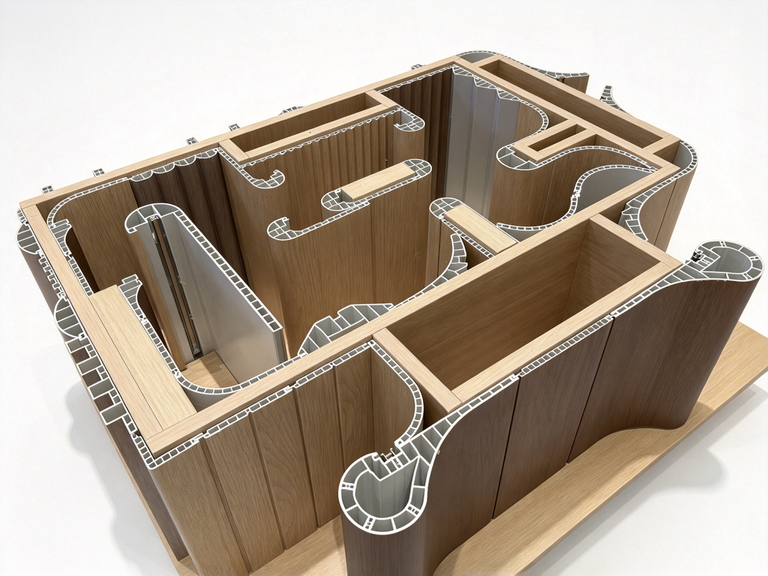
Although manufacturing methods vary, many carbon crystal panels use a multilayer structure designed to provide surface protection, decorative appearance, structural rigidity, and dimensional support.
1. Decorative PET or PVC Surface Layer
The visible surface creates the panel’s appearance and contributes to its resistance to ordinary wear.
Manufacturers commonly use decorative materials such as:
- PET film: Selected for smooth, decorative, and sometimes high-gloss finishes.
- PVC decorative film: Available in wood-grain, marble, stone, and other printed textures.
- Protective coatings: May improve resistance to staining, abrasion, or minor scratching, depending on the formulation.
Surface quality is particularly important in high-visibility environments such as hotel lobbies, living rooms, and commercial reception areas.
2. Rigid PVC or Polymer-Based Layer
Some carbon crystal panel designs include a rigid PVC or polymer-based layer beneath the decorative finish.
This layer may contribute to:
- Surface stability and support.
- Resistance to ordinary handling impacts.
- A smoother base for decorative film lamination.
- Overall panel rigidity.
Its thickness and composition differ between manufacturers, making technical product specifications more useful than marketing descriptions alone.
3. Carbon Charcoal Composite Core
The internal composite core is one of the defining features of many carbon crystal board products.
Depending on the formulation, the substrate may contain PVC resin, calcium carbonate, bamboo charcoal powder, wood-based fibers, and other functional additives.
These materials serve different purposes. PVC resin acts as a binding component, calcium carbonate contributes mineral filling and rigidity, and charcoal or fiber additives form part of the composite mixture.
The precise composition is not universal, and some products marketed as carbon crystal boards contain different amounts or types of carbon-based material.
4. Reinforced Backing or Protective Bottom Layer
Certain multilayer panel constructions include a reinforced backing layer or secondary protective surface.
This section may help support the composite substrate and improve dimensional balance. The backing also provides the surface used for adhesive installation or other approved fixing systems.
Not every carbon crystal panel uses the same four-layer structure. We recommend requesting a cross-section sample and technical specification sheet to verify the exact construction before ordering.
Key Benefits of Carbon Crystal Wall Panels
1. Durable Composite Construction
One of the main advantages of carbon crystal wall panels is their rigid engineered structure.
Compared with thin decorative wall films, a properly manufactured composite board provides a more substantial covering. Some products also incorporate hard surface layers intended to reduce minor scratches and everyday wear.
This makes them suitable for decorative applications in bedrooms, living rooms, offices, hotel interiors, and selected commercial spaces.
However, hardness and impact resistance vary between products. High-traffic projects should compare tested performance rather than assuming that every carbon crystal panel has identical durability.
2. Moisture Resistance for Interior Applications
Carbon crystal panels are frequently selected for their resistance to ordinary interior humidity.
Many PVC-based composite boards absorb less moisture than untreated wood-based boards, making them useful in properly ventilated areas where humidity levels vary.
Typical applications include kitchen feature walls, hallway decoration, and selected interior wall surfaces.
Important: A moisture-resistant panel is not automatically a complete waterproof wall system. Shower installations, wet rooms, and areas exposed to continuous water require suitable joint sealing, substrate protection, and manufacturer approval.
3. Wide Variety of Decorative Finishes
Carbon crystal decorative panels are available in numerous colors, surface patterns, and architectural styles.
Popular options include:
Wood-Grain Carbon Crystal Panels
Wood-effect finishes imitate natural oak, walnut, ash, and other timber appearances. They are suitable for contemporary living rooms, bedrooms, meeting rooms, and hospitality interiors.
Marble-Look Carbon Crystal Panels
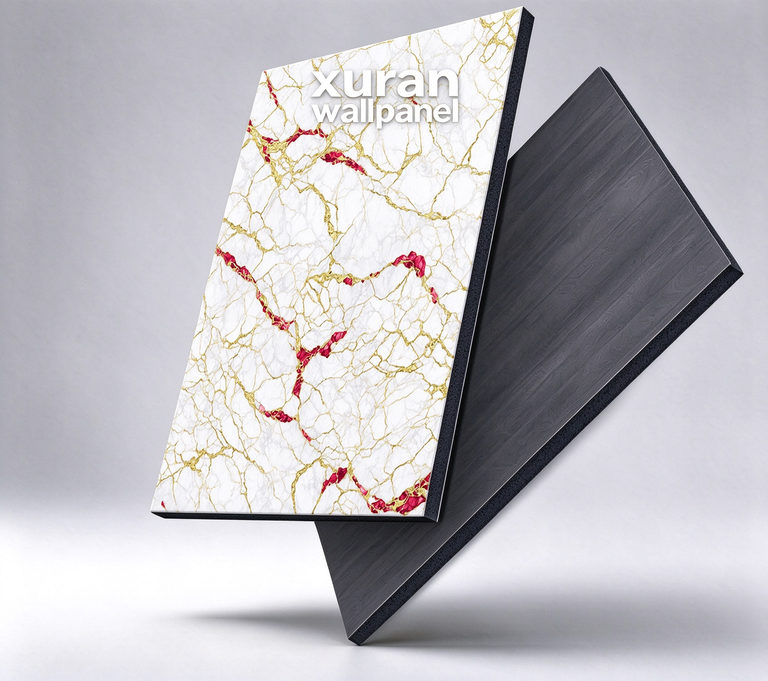
Marble-effect designs reproduce the visual character of natural stone without requiring large slabs of marble. These finishes are commonly used for television backgrounds, reception areas, and decorative feature walls.
Stone-Texture Panels
Stone-inspired finishes create a natural or industrial appearance and work well with minimalist architectural designs.
Solid-Color Panels
Solid colors, including white, beige, gray, and darker neutral tones, are suitable for modern homes and commercial interiors.
Fabric and Metal-Look Panels
Decorative finishes inspired by fabric or brushed metal provide additional design options for hotel rooms, boutiques, and office interiors.
At Xuran Decoration, we understand that consistent finishes and color selection are especially important for projects requiring multiple rooms or large quantities of decorative panels.
4. Faster Installation for Suitable Renovation Projects
Carbon crystal panels can simplify wall decoration when the existing surface is properly prepared.
Large panels cover extensive areas, reducing the number of joints compared with smaller decorative tiles. Depending on the product, installation may use compatible structural adhesive, mechanical fixing systems, or decorative connecting profiles.
This makes them attractive for projects where installation efficiency is important.
The actual installation time depends on wall conditions, cutting requirements, substrate preparation, and the fixing system.
5. Simple Cleaning and Maintenance
Many carbon crystal panels feature smooth or protective decorative surfaces that are relatively straightforward to maintain.
For routine cleaning, we generally recommend a soft cloth with water or a mild, manufacturer-approved cleaning solution.
Abrasive pads, strong solvents, and aggressive chemical cleaners should be avoided unless the product’s maintenance instructions specifically permit them.
With appropriate care, these panels can maintain their decorative appearance over extended periods.
6. Alternatives to Natural Wood and Stone
Carbon crystal wall panels offer the appearance of selected natural materials without requiring the same construction or installation methods.
For example, marble-look carbon crystal boards provide a stone-inspired finish, while wood-grain products create timber-style interiors without using solid wood planks.
Their cost, weight, maintenance needs, and appearance should be compared with the specific natural material or competing wall covering being considered.
Common Carbon Crystal Wall Panel Sizes and Thicknesses
Carbon crystal panels are manufactured in different dimensions to accommodate various decorative projects.
The following table shows examples of sizes commonly offered in the market. These are not universal specifications.
| Specification | Common Options |
|---|---|
| Material | PVC-based mineral or charcoal composite |
| Width | 920 mm, 1220 mm |
| Length | 2440 mm, 2600 mm, 2800 mm, 3000 mm |
| Thickness | 5 mm, 8 mm, 9 mm |
| Surface Finish | PET film, PVC film, decorative coating |
| Appearance | Marble, wood, stone, fabric, solid colors |
| Application | Interior walls and selected ceilings |
| Installation | Compatible adhesive or approved fixing system |
For smaller decorative applications, a thinner panel may be sufficient when the substrate and installation method are suitable.
Projects requiring greater rigidity or specific mechanical performance should evaluate thicker or reinforced panel options.
We recommend confirming the panel’s weight, tolerances, available dimensions, and installation requirements with the manufacturer before finalizing a project.
Where Are Carbon Crystal Wall Panels Used?
1. Living Room and TV Background Walls
Living rooms are among the most popular applications for decorative carbon crystal panels.
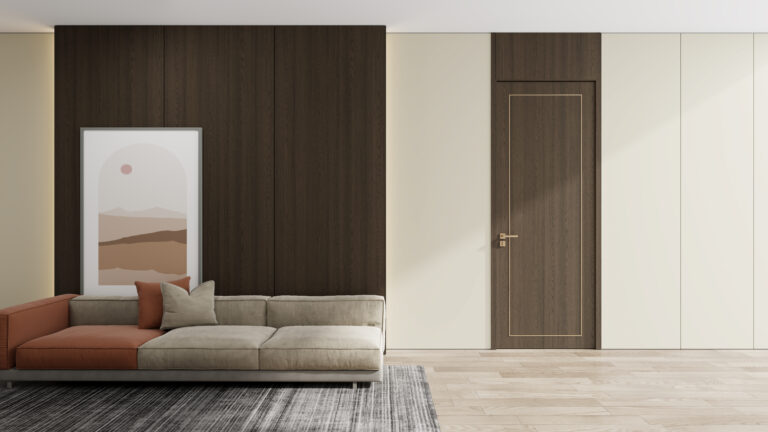
Large marble-look boards can create elegant television background walls, while wood-grain finishes provide a warmer residential appearance.
We can combine decorative panel finishes with suitable lighting, furniture colors, and trim details to create visually balanced interiors.
2. Bedroom Wall Decoration
Carbon crystal panels are suitable for bedroom headboard walls and decorative accent surfaces.
Light wood effects, beige stone patterns, and subtle solid colors complement contemporary bedroom designs.
Large-format panels also make it possible to create relatively continuous decorative surfaces with fewer visible joints.
3. Hotel Interior Wall Panels
Hotels often require decorative materials that balance appearance, maintenance, replacement requirements, and installation efficiency.
Carbon crystal panels can be considered for:
- Guestroom feature walls.
- Hotel corridors.
- Reception backgrounds.
- Lobby decoration.
- Selected restaurant and lounge interiors.
For hospitality projects, fire classification, smoke performance, cleaning resistance, and applicable building regulations should be checked carefully.
4. Office and Commercial Spaces
Carbon crystal decorative panels are suitable for many professional environments.
Typical applications include office reception areas, meeting rooms, corporate feature walls, and selected retail displays.
Wood-grain and stone-inspired panels can create a modern interior appearance while offering an alternative to conventional paint and decorative wall coverings.
5. Restaurants and Retail Stores
Restaurants, boutiques, showrooms, and commercial stores frequently use decorative panels to establish a recognizable interior style.
Marble-effect finishes can create an upscale appearance, while wood-look and fabric-inspired surfaces support warmer or more contemporary design concepts.
Surface performance and local fire regulations are especially important when choosing products for public commercial environments.
Carbon Crystal Wall Panels vs. WPC vs. PVC Panels
Buyers frequently compare carbon crystal boards with WPC wall panels and traditional PVC wall panels.
Although these products can share some raw materials, they are not necessarily manufactured using the same structure or intended for identical applications.
| Feature | Carbon Crystal Panels | WPC Wall Panels | PVC Wall Panels |
|---|---|---|---|
| Typical Composition | Mineral/polymer composite, sometimes charcoal-based | Wood-plastic composite | PVC-based construction |
| Common Appearance | Marble, stone, wood, fabric | Wood grain, fluted textures | Marble, solid colors, printed designs |
| Common Format | Large rigid decorative sheets | Slats, fluted profiles, boards | Sheets, tiles, hollow profiles |
| Moisture Resistance | Generally good; varies by product | Depends on formulation | Generally good; varies by product |
| Installation | Adhesive or approved mechanical fixing | Clips, screws, adhesive, or profiles | Adhesive or panel fixing systems |
| Main Uses | Interior decorative surfaces | Feature walls, slat walls, cladding | Wall coverings and decorative surfaces |
Which Wall Panel Material Is Better?
The best material depends on the project.
We generally recommend evaluating carbon crystal panels when the design calls for a large-format marble, stone, or wood-effect decorative surface.
WPC panels may be preferable for fluted walls, slat-style decoration, or applications requiring specific wood-plastic composite profiles.
PVC panels are another practical option for decorative wall coverings, particularly where a specific sheet or interlocking panel system is desired.
Rather than selecting a material based on its name, buyers should compare construction, installation requirements, actual test results, and project conditions.
How to Install Carbon Crystal Wall Panels

Correct installation plays an important role in the durability and appearance of carbon crystal decorative panels.
Although installation methods vary, many rigid decorative boards use an adhesive-based system.
Step 1: Inspect and Prepare the Wall
Before installation, inspect the wall for unevenness, loose paint, moisture damage, cracks, and contamination.
The substrate should be structurally sound, sufficiently flat, clean, and dry according to the adhesive manufacturer’s requirements.
Any underlying moisture problems should be corrected before decorative wall coverings are installed.
Step 2: Measure and Plan the Layout
Measure the wall height and width carefully.
Plan panel positions, vertical joints, corner details, sockets, switches, and decorative trim before cutting.
For wood-grain and marble-look panels, consider the pattern direction and the relationship between adjacent boards.
Step 3: Cut Panels to the Required Dimensions
Use cutting equipment recommended by the panel manufacturer.
The appropriate blade and cutting method depend on the panel’s material, thickness, and surface finish.
Wear suitable protective equipment and use appropriate dust extraction when cutting composite building materials.
Step 4: Apply Compatible Adhesive or Fixings
Select a construction adhesive specifically approved for the chosen panel and substrate.
Follow the manufacturer’s instructions for adhesive application, coverage, curing, and temporary support.
Some projects may require mechanical fasteners or dedicated installation profiles rather than adhesive alone.
Step 5: Position and Secure the Panels
Carefully align each board with the planned layout.
Use the recommended installation technique to achieve proper contact with the wall and maintain the required panel spacing.
Allow for any expansion or movement clearances specified by the manufacturer.
Step 6: Finish Corners and Joints
Install suitable edge profiles, corner trims, or joint treatments where required.
In locations subject to occasional splashes, follow the specified sealing details.
Clean the finished surface using a compatible product and allow all adhesives and sealants to cure fully before normal use.
Are Carbon Crystal Wall Panels Waterproof?
Many carbon crystal panels have moisture-resistant composite cores and protective decorative surfaces.
This can make them suitable for ordinary indoor humidity and occasional splashes.
However, water resistance should not be confused with a waterproof installation system.
Water can enter through panel joints, exposed edges, penetrations, or inadequately sealed connections. Even a moisture-resistant panel cannot prevent underlying wall damage if the complete assembly is unsuitable.
For bathrooms, shower areas, and other wet environments, we recommend verifying the manufacturer’s approved applications and using the required waterproofing and sealing system.
Are Carbon Crystal Wall Panels Safe and Environmentally Friendly?
The environmental and safety performance of carbon crystal wall panels depends on their ingredients, production methods, adhesives, coatings, and manufacturing controls.
A carbon crystal label alone does not prove that a product is formaldehyde-free, non-toxic, fireproof, or environmentally certified.
For projects with specific health, sustainability, or regulatory requirements, buyers should request relevant documents, such as:
- Formaldehyde emission test reports where applicable.
- VOC emission test reports.
- Fire reaction classification and smoke performance reports.
- Restricted-substance or material compliance documentation.
- Manufacturer quality-control specifications.
Reports should identify the tested product and the applicable test standard.
We recommend reviewing the documentation for the exact panel model rather than relying on certifications for unrelated products.
How Long Do Carbon Crystal Wall Panels Last?
The lifespan of carbon crystal wall panels depends on manufacturing quality, environmental conditions, installation, and maintenance.
Several factors influence long-term performance:
Core Material Quality: A consistent composite formulation can contribute to rigidity and dimensional stability.
Surface Film Quality: Durable decorative films and suitable protective coatings can help reduce visible wear.
Installation Conditions: Correct adhesive selection, substrate preparation, and movement allowances are important.
Environmental Exposure: Excessive heat, prolonged sunlight, trapped moisture, and unsuitable cleaning products may affect certain panel types.
Maintenance: Routine cleaning and prompt repair of damaged joints help preserve the installation.
Buyers should request product-specific warranty terms and performance information instead of assuming that all carbon crystal wall panels have the same service life.
How to Choose High-Quality Carbon Crystal Wall Panels
Selecting high-quality carbon crystal panels is particularly important for contractors, distributors, importers, and interior decoration companies.
At Xuran Decoration, we recommend considering the following factors before placing a large order.
1. Check the Core Structure
Ask the manufacturer for details about the panel’s internal composition and production method.
A physical cross-section sample is useful for examining thickness, core consistency, and structural layers.
2. Evaluate Surface Quality
Inspect decorative finishes under appropriate lighting.
Look for consistent color, well-defined printing, smooth lamination, and visible surface defects.
For marble and wood-grain products, confirm whether pattern matching is available or required for the project.
3. Confirm Actual Panel Dimensions
Check panel thickness, width, length, dimensional tolerances, and weight.
These details affect installation planning, material consumption, shipping, and compatibility with accessories.
4. Request Relevant Test Reports
For commercial construction projects, ask for test reports covering applicable fire performance, emissions, and other required technical characteristics.
5. Compare Physical Samples
We strongly recommend requesting samples before purchasing large quantities.
Samples help buyers evaluate color accuracy, surface texture, core construction, edge quality, and how the decorative finish appears under real lighting conditions.
6. Assess Manufacturer Capabilities
Work with a supplier that can provide clear product specifications, consistent quality control, suitable packaging, and reliable communication.
For international orders, confirm the available finishes, minimum order quantities, production lead times, and shipping arrangements.
Frequently Asked Questions About Carbon Crystal Wall Panels
What is a carbon crystal wall panel?
A carbon crystal wall panel is a manufactured decorative composite board used mainly for interior wall finishing. Depending on the product, it may contain PVC resin, mineral fillers, bamboo charcoal, and reinforcement materials, with a decorative surface film.
Are carbon crystal panels better than traditional wall tiles?
Carbon crystal panels can be easier to install across large decorative wall areas and may require fewer visible joints. Traditional ceramic or porcelain tiles can be better suited to applications requiring verified water resistance, heat tolerance, or specific surface durability. The better option depends on the installation environment.
Can carbon crystal panels be installed over existing walls?
In some cases, yes. Installation over an existing wall finish may be possible if the underlying substrate is stable, flat, dry, and compatible with the approved adhesive or fixing system. Loose or moisture-damaged surfaces must be repaired first.
Can carbon crystal wall panels be used in bathrooms?
Selected products may be suitable for bathroom walls outside direct wet zones. For showers and continuously wet areas, use only products and installation systems specifically approved for that application.
Are carbon crystal wall panels scratch-resistant?
Some panels use protective surface treatments designed to improve resistance to minor scratching. Scratch resistance varies according to the decorative film and coating. Buyers should request relevant test data when abrasion performance is important.
Can carbon crystal panels be used on ceilings?
Certain manufacturers offer panels suitable for ceiling decoration. Ceiling installations require a fixing system designed to support the panel weight and satisfy applicable safety requirements.
Are carbon crystal panels suitable for commercial projects?
Yes, selected carbon crystal panels can be used in hotels, offices, retail spaces, and other commercial interiors when the products meet the project’s technical specifications and applicable building requirements.
Where can I buy carbon crystal wall panels in bulk?
Importers, construction contractors, distributors, and renovation companies can source carbon crystal panels directly from manufacturers in China. Before ordering, confirm panel dimensions, finish options, quality-control requirements, packaging, pricing, and delivery terms.
Why Choose Xuran Decoration for Carbon Crystal Wall Panels?
Selecting the right supplier is as important as choosing the correct decorative material.
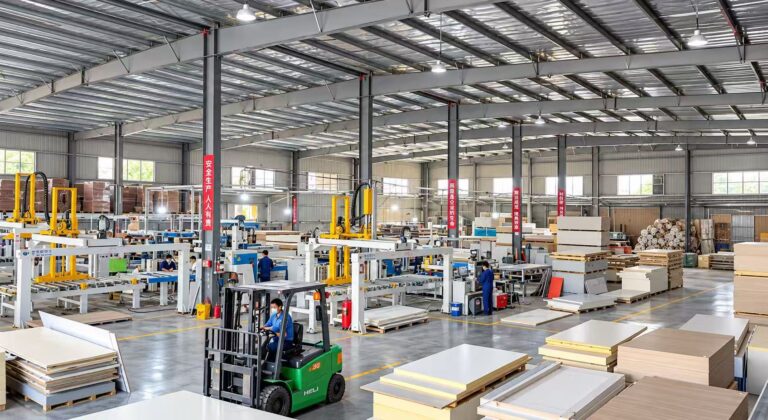
At Xuran Decoration, we focus on providing decorative wall panel solutions for residential and commercial interior applications.
We understand the sourcing requirements of international importers, building material distributors, contractors, and interior decoration companies.
When evaluating carbon crystal wall panels, we help buyers consider the factors that matter for successful project execution, including:
- Material selection: Choosing suitable decorative panels for the intended interior application.
- Design and finish options: Exploring wood, marble, stone, and other decorative appearances.
- Product specifications: Reviewing dimensions, thicknesses, and construction details.
- Samples and evaluation: Supporting product assessment before bulk purchasing.
- Project requirements: Matching product characteristics with installation and design needs.
- International sourcing: Discussing quantities, packaging, production schedules, and shipment requirements.
Our objective is to help buyers make informed decisions about wall panel materials while achieving the appearance and functionality required for their projects.
Conclusion: Are Carbon Crystal Wall Panels Worth Choosing?
Carbon crystal wall panels are a practical decorative option for modern interior spaces, particularly where buyers want large-format surfaces, versatile finishes, moisture-resistant composite materials, and convenient maintenance.
Their applications extend from residential living rooms and bedroom feature walls to hotel interiors, offices, showrooms, and selected commercial environments.
However, performance varies by manufacturer, product composition, surface coating, and installation method. The best results come from selecting panels that match the project’s technical requirements and reviewing samples and supporting documentation before purchasing.
At Xuran Decoration, we support customers seeking decorative wall panel solutions from China. Whether you are sourcing materials for residential interiors, commercial renovations, or wholesale distribution, we can help you explore suitable carbon crystal panel options.
Looking for a reliable carbon crystal wall panel manufacturer in China?
Contact Xuran Decoration today to discuss available designs, panel specifications, sample requirements, and bulk purchasing opportunities.
Explore our Carbon Crystal Wall Panels and discover decorative solutions for your next project.