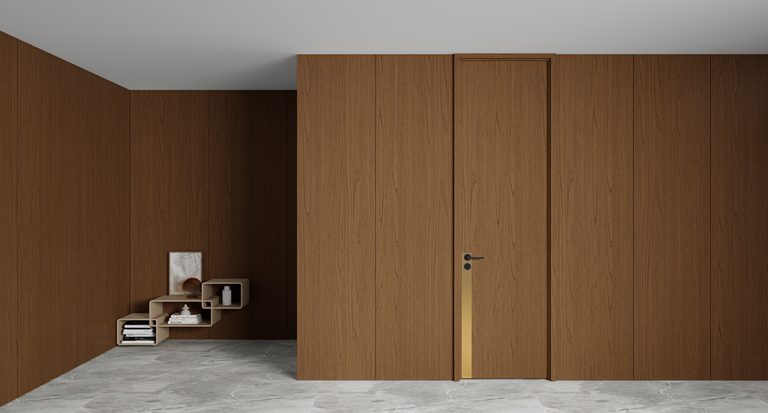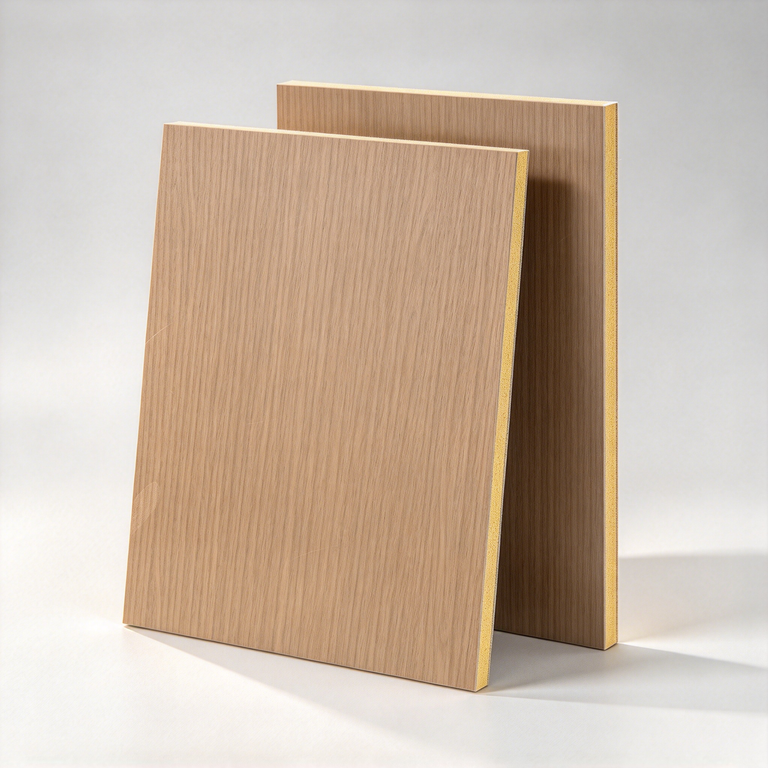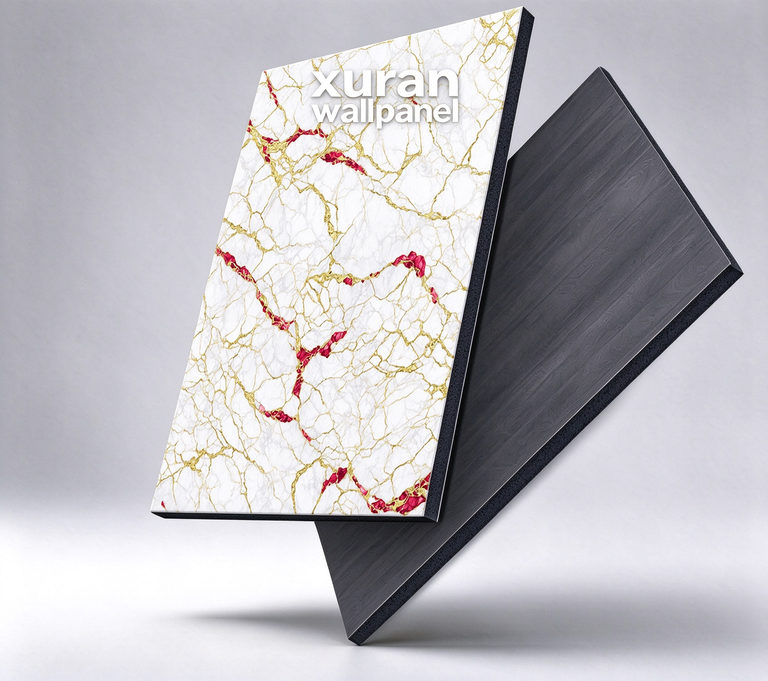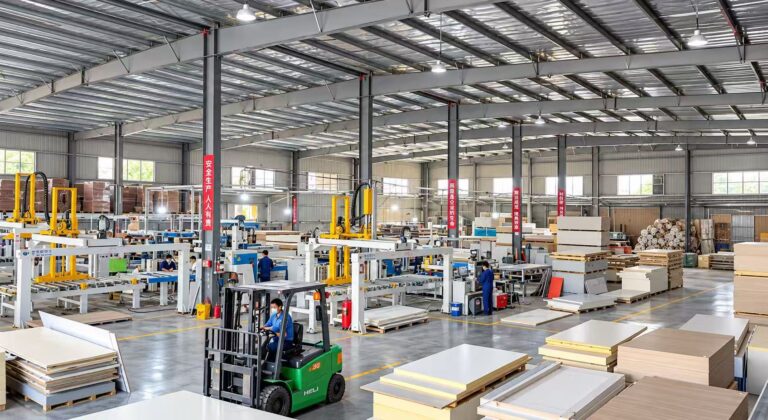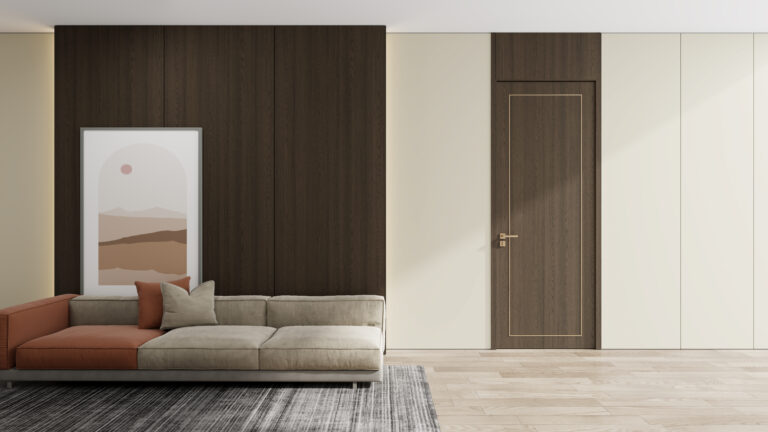
Buying wall paneling from China can be a smart business decision for importers, construction companies, wholesalers, and building material distributors. With a wide selection of PVC wall panels, WPC wall panels, acoustic panels, and decorative wall cladding, Chinese manufacturers offer competitive production costs, customization options, and large-scale manufacturing capabilities.
However, finding affordable wall panels is only the beginning. Choosing an unreliable supplier, overlooking product specifications, or underestimating shipping expenses can turn a promising purchase into a costly mistake.
Imagine ordering thousands of square meters of decorative wall panels for a hotel project, only to discover that the delivered materials have inconsistent colors or do not meet local fire safety requirements. Such problems can delay installation, increase expenses, and damage customer relationships.
Fortunately, these risks are manageable.
This comprehensive guide explains how to buy wall paneling from China, identify reliable manufacturers, compare prices, verify product quality, and organize international shipping.
1. Understand the Different Types of Wall Paneling Available in China
Before contacting suppliers, determine which wall panel material best suits your application.
Chinese wall panel manufacturers produce various materials for residential, commercial, and architectural projects. Each category offers different performance characteristics, installation requirements, and price considerations.
PVC Wall Panels
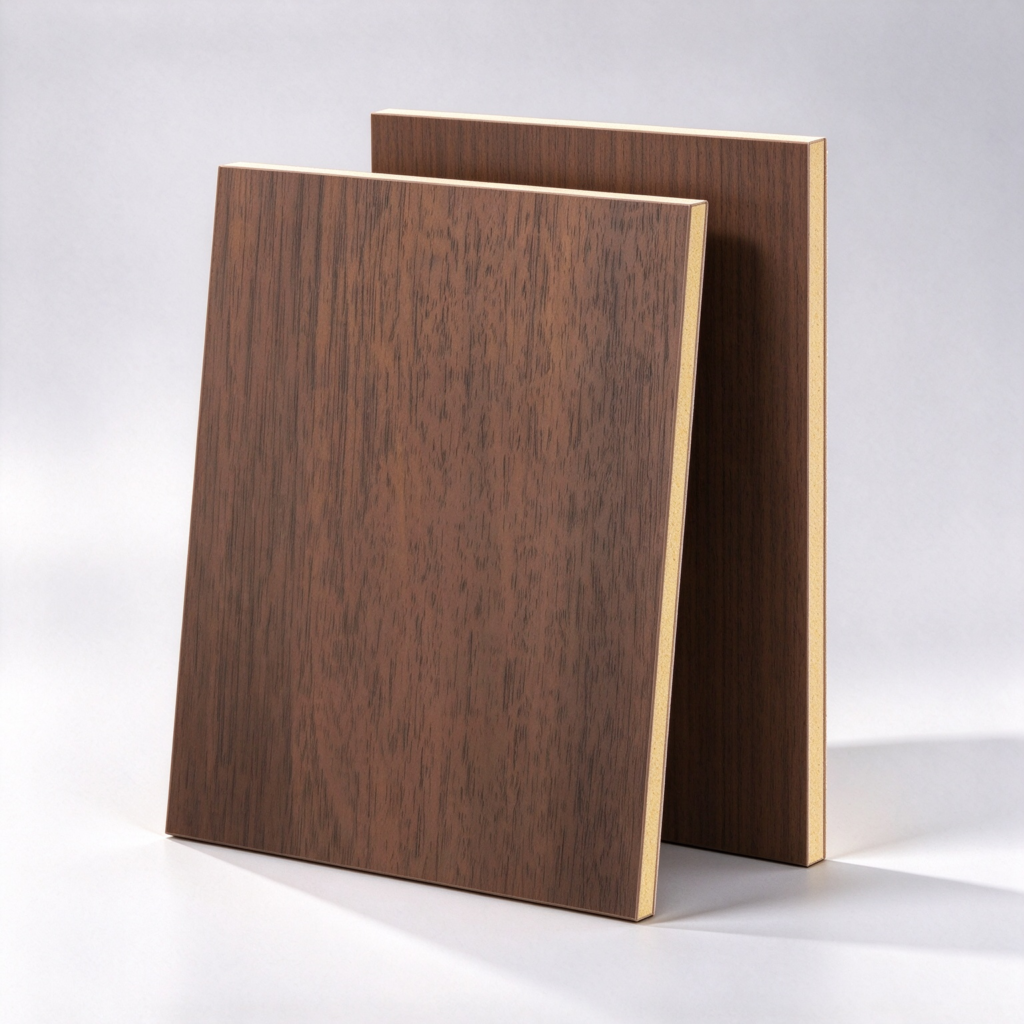
PVC (polyvinyl chloride) wall panels are popular for decorative interiors, kitchens, bathrooms, and commercial spaces.
Their advantages include:
- Moisture-resistant surfaces that are easy to maintain.
- A wide variety of marble, stone, and decorative finishes.
- Lightweight construction and convenient installation.
- Competitive pricing for large wholesale orders.
However, water resistance depends on the specific panel design, joints, and installation system.
WPC Wall Panels
Wood Plastic Composite (WPC) panels combine wood-based materials with polymers to create decorative wall panel products.
Common applications include feature walls, hotel interiors, offices, and retail environments.
WPC fluted wall panels are particularly attractive for buyers seeking decorative wood-look surfaces and contemporary interior designs.
Acoustic Wall Panels
Acoustic panels help manage sound reflections and improve interior acoustic comfort.
They are commonly used in offices, conference rooms, recording studios, and hospitality environments.
Buyers should request acoustic test results rather than assuming every decorative slatted panel provides meaningful sound absorption.
Exterior Wall Cladding
Exterior WPC cladding and composite wall panels are designed for outdoor architectural applications.
When purchasing these products, prioritize verified weathering performance, UV resistance, dimensional stability, and suitable installation systems.
Buying tip: Select wall panel materials according to their intended environment, not simply their appearance or initial price.
2. Define Your Wall Panel Specifications Before Requesting Prices
One of the biggest mistakes when buying wall panels from China is requesting quotations without providing detailed specifications.
Two panels may look nearly identical but differ significantly in thickness, composition, weight, surface quality, and durability.
Before requesting a quotation, prepare a clear product specification sheet.
| Specification | Information to confirm |
|---|---|
| Material | PVC, WPC, MDF, acoustic composite, or another material |
| Dimensions | Length, width, and thickness |
| Surface finish | Wood grain, marble, matte, glossy, or textured |
| Color | Standard color, custom color, or reference sample |
| Performance | Moisture, fire, acoustic, or weathering requirements |
| Installation | Adhesive, clips, screws, or mechanical fixing |
| Packaging | Carton quantity, protection, and pallet configuration |
| Order quantity | Square meters, pieces, or cartons |
For example, requesting a quotation for 1,000 square meters of WPC panels without specifying dimensions and material density may generate offers that are impossible to compare fairly.
Therefore, standardize your specifications before comparing suppliers.
This simple step makes price negotiations more accurate and reduces misunderstandings during production.
3. Find Reliable Wall Panel Manufacturers in China
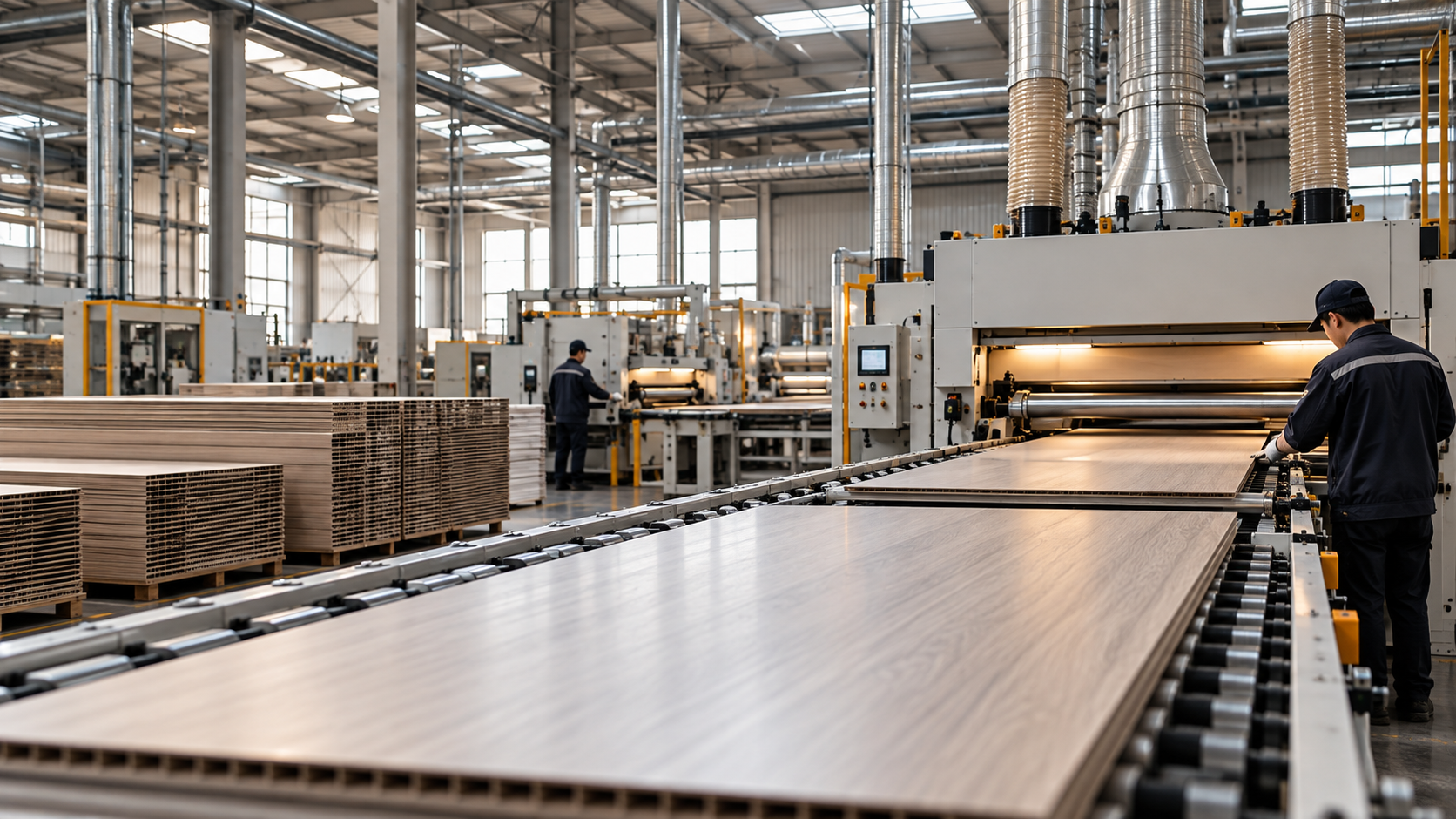
China has numerous wall panel suppliers, including direct manufacturers, trading companies, and specialized building material exporters.
However, not every company advertising factory prices operates its own production facility.
Start your search through established B2B platforms, industry exhibitions, manufacturer websites, and business referrals.
Useful sourcing channels include Alibaba, Made-in-China.com, and relevant construction material exhibitions.
How to Verify a Wall Panel Supplier
Before placing a large order, investigate the supplier’s manufacturing capabilities and business credentials.
Check the following:
- Business registration: Verify the company’s legal name and registration information.
- Factory capabilities: Request production line videos, facility photographs, and equipment details.
- Export experience: Ask whether the supplier has previously exported to your destination market.
- Product specialization: Prefer manufacturers with proven expertise in your required panel material.
- Quality documentation: Request relevant test reports and inspect their validity.
- Communication: Evaluate how accurately and consistently the company answers technical questions.
Whenever possible, organize a video factory tour or independent factory audit.
A dependable manufacturer should explain its production process, quality controls, customization capabilities, and realistic delivery schedule.
4. Request Samples Before Buying Wall Panels in Bulk
Product photographs and online catalogs cannot fully demonstrate manufacturing quality.
Therefore, requesting samples is essential when purchasing wall paneling from China.
Samples allow buyers to examine material consistency, surface finishes, structural performance, and overall appearance.
What Should You Check?
Evaluate samples for:
- Accurate dimensions and thickness.
- Surface scratches, bubbles, and visible defects.
- Color consistency and decorative finish.
- Edge quality and connection design.
- Structural rigidity and installation compatibility.
- Material composition and odor.
For commercial projects, evaluate the panels under realistic lighting conditions and install a small trial section.
You should also confirm that the approved sample represents the materials and production process intended for the bulk order.
Important: Keep an approved reference sample and include its identification in the purchasing agreement.
This provides a practical benchmark for quality inspections.
5. Compare Wall Panel Prices and Calculate Your Real Import Costs
One major advantage of buying wall paneling directly from China is the opportunity to obtain competitive wholesale pricing.
Nevertheless, the cheapest quotation does not always deliver the best overall value.
Wall panel prices depend on material composition, dimensions, surface treatment, production volume, customization, packaging, and supplier capabilities.
Example: Calculating Landed Costs
Consider an illustrative order of 2,000 square meters of wall panels.
| Expense | Illustrative cost |
|---|---|
| Wall panels: 2,000 m² × $8 | $16,000 |
| International freight | $2,400 |
| Cargo insurance | $150 |
| Duties and import taxes | $2,000 |
| Local transportation | $500 |
| Quality inspection | $250 |
| Total estimated cost | $21,300 |
In this hypothetical example, the landed cost equals $10.65 per square meter, compared with the original product price of $8.
Actual expenses will vary significantly by destination, shipment, product classification, and applicable taxes.
The International Trade Administration also recommends accounting for freight, insurance, tariffs, taxes, and additional charges when calculating landed costs.
For importers and distributors, calculating the complete landed cost helps protect profit margins and supports more accurate retail pricing.
6. Verify Quality Standards and Import Requirements
Wall panels intended for international markets may need to satisfy technical, environmental, or building safety requirements.
These depend on the product material, destination country, and intended application.
United States
Certain wall panels containing regulated composite wood products, including MDF, particleboard, and hardwood plywood, may fall under EPA TSCA Title VI formaldehyde emission requirements.
According to the US Environmental Protection Agency, covered products must meet applicable certification and labeling requirements.
European Union
Construction products covered by applicable harmonized specifications or European Technical Assessments may require CE marking and a declaration of performance or performance and conformity, depending on the applicable regulatory framework.
The European Commission explains the relevant requirements.
Additional Considerations
Depending on your market, request supporting evidence for:
- Fire reaction classification.
- Formaldehyde and VOC emissions.
- Acoustic performance.
- Moisture and weathering resistance.
- Product safety and environmental claims.
Remember that a generic certificate or a supplier’s claim of being “fireproof” does not establish compliance with every building code.
Verify test standards, laboratory information, product identification, and the intended installation application before placing your order.
7. Negotiate Minimum Order Quantities and Payment Terms
Most manufacturers establish minimum order quantities (MOQs) according to the product, color, finish, or production requirements.
Standard products may have more flexible order quantities than customized designs requiring new tooling or specialized production.
Before negotiating, ask whether the supplier can combine multiple colors or designs within the same shipment.
You should also clarify production lead times, sample approval procedures, and packaging requirements.
For payment, use documented commercial terms and agree on the payment schedule in advance.
Where appropriate, link the outstanding payment to a satisfactory pre-shipment inspection.
Avoid transferring funds to unrelated personal accounts without a legitimate, independently verified commercial explanation.
A detailed purchasing agreement should document product specifications, quantities, prices, delivery terms, inspection criteria, and procedures for handling defective products.
8. Choose the Right Shipping Method from China
International shipping is particularly important for wall panels because many products are long, bulky, or vulnerable to damage during handling.
Two common ocean freight options are:
Less Than Container Load (LCL): Suitable for smaller shipments that share container space with other cargo.
Full Container Load (FCL): Often more economical per unit for larger orders, depending on cargo volume, weight, and destination.
Before selecting a shipping method, request total cargo volume in cubic meters (CBM), gross weight, carton dimensions, and loading photographs.
Understand International Shipping Terms
Common Incoterms include:
- EXW (Ex Works): The buyer takes responsibility for most transport arrangements from the agreed collection point.
- FOB (Free On Board): The seller delivers the cargo on board the nominated vessel at the agreed shipment port.
- CIF (Cost, Insurance and Freight): The seller arranges freight and specified insurance to the destination port, although transport risk transfers earlier.
- DDP (Delivered Duty Paid): The seller assumes responsibility for delivery and import clearance under the agreed terms.
The International Chamber of Commerce defines these responsibilities in Incoterms 2020.
For wall panel shipments, insist on adequate corner protection, secure stacking, moisture protection, and suitable pallet or crate arrangements.
Where regulated solid-wood packaging is used, verify applicable ISPM 15 treatment and marking requirements.
9. Inspect the Wall Panels Before Shipment
Quality inspection is one of the most valuable safeguards when importing building materials from China.
Even a manufacturer that produces excellent samples can encounter production inconsistencies during a large order.
Before shipment, arrange an internal or independent inspection against your approved specifications.
The inspection should verify product dimensions, finish, quantity, color consistency, packaging, labeling, and visible damage.
For customized panels, compare randomly selected production pieces against the approved reference sample.
Additionally, confirm that test reports and relevant product documentation correspond to the materials being shipped.
If inspectors identify defects, require corrective action and verification before releasing the shipment.
A pre-shipment inspection is generally far easier to manage than resolving thousands of defective panels after overseas delivery.
Frequently Asked Questions About Buying Wall Paneling from China
1. Is buying wall paneling from China cheaper?
It can be, particularly for wholesale buyers and large construction projects. However, savings depend on production costs, shipping expenses, tariffs, product quality, and order volume. Always compare landed costs against domestic alternatives.
2. What is the minimum order quantity for Chinese wall panels?
MOQs vary between manufacturers and product types. Some suppliers accept smaller orders for stock products, while customized colors, profiles, or packaging may require substantially larger quantities. Confirm the MOQ for each design.
3. How long does it take to import wall panels from China?
The total timeline includes sample approval, manufacturing, inspection, freight booking, international transportation, and customs clearance. These stages vary significantly by supplier, destination, order complexity, and shipping conditions. Request a written production schedule and freight estimate before purchasing.
4. Can I customize wall panels with my own designs?
Yes. Many Chinese manufacturers offer OEM and ODM services, including custom dimensions, decorative patterns, finishes, and private-label packaging. Customization availability, tooling charges, and MOQs depend on the factory.
5. How do I avoid scams when purchasing wall panels from China?
Verify the supplier’s business information, confirm bank account ownership, request physical samples, document your purchasing agreement, and arrange independent inspections. Avoid making full payments to unverified suppliers without suitable commercial protections.
Conclusion: Buy Wall Paneling from China with Confidence
Buying wall paneling from China offers valuable opportunities for construction companies, wholesalers, interior designers, and building material distributors seeking competitive prices and diverse product selections.
However, a successful purchasing strategy requires more than comparing quotations.
By selecting the correct materials, verifying manufacturers, approving samples, understanding import regulations, and organizing professional quality inspections, buyers can significantly reduce purchasing risks.
Whether you are importing PVC wall panels, WPC decorative panels, acoustic panels, or exterior wall cladding, prioritize long-term product quality, supplier reliability, and transparent communication.
Most importantly, view your manufacturer as a long-term supply chain partner rather than simply the company offering the lowest price.
With the right preparation, importing wall panels from China can support profitable growth, reliable project delivery, and stronger customer relationships.