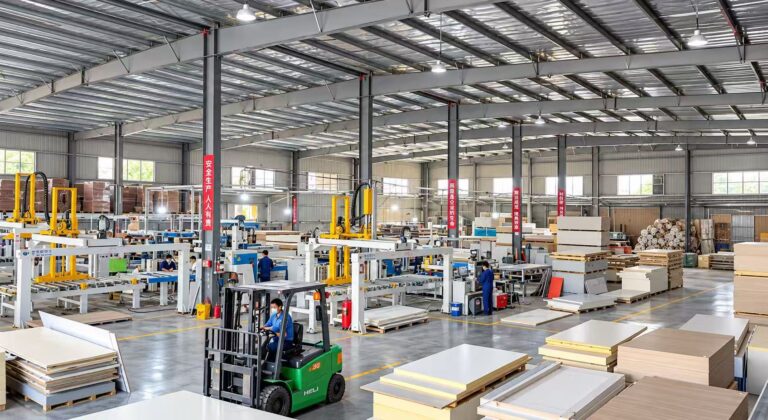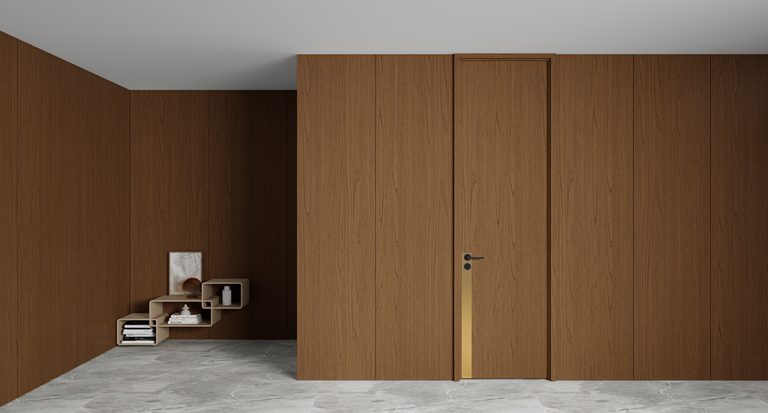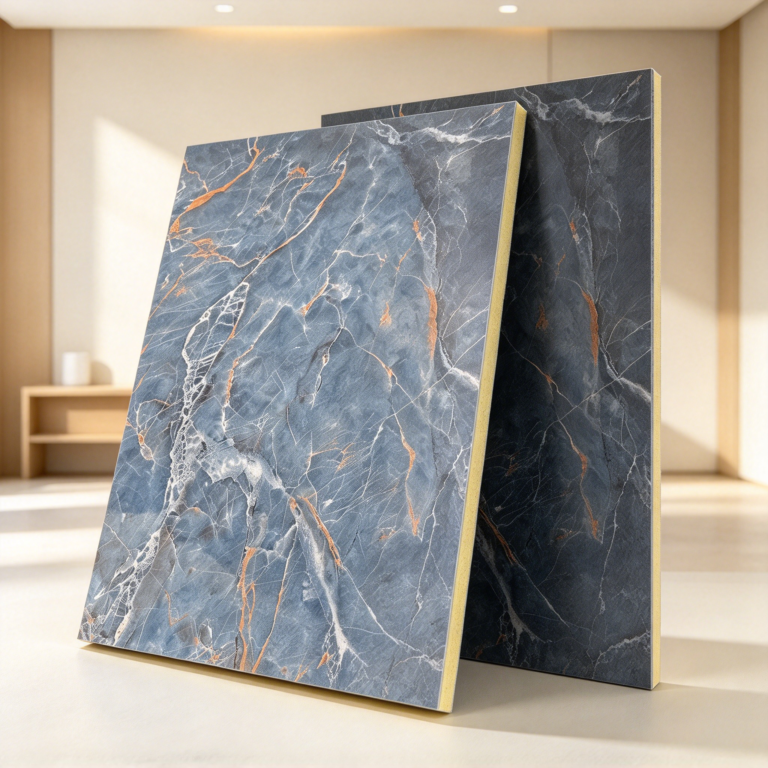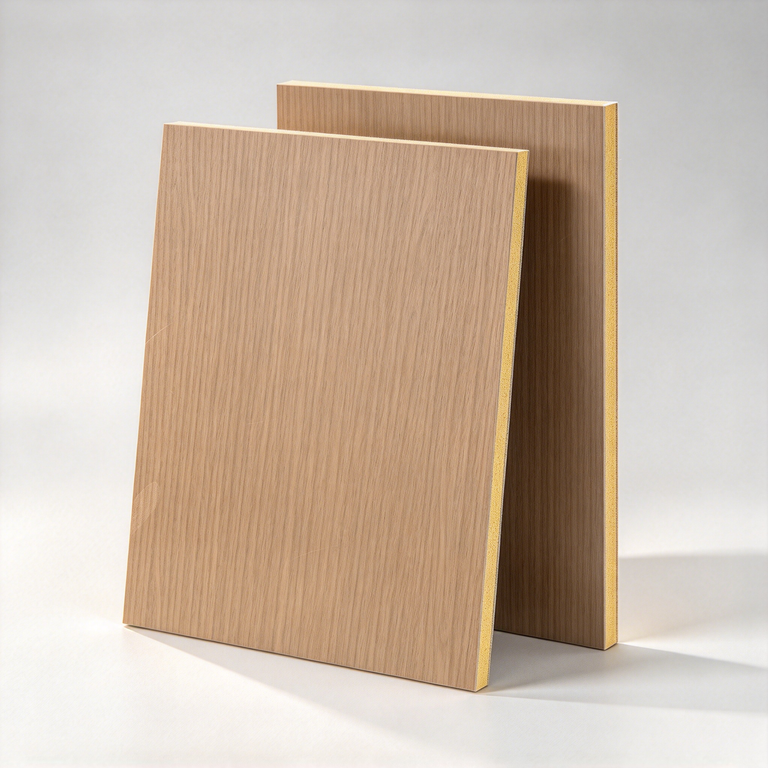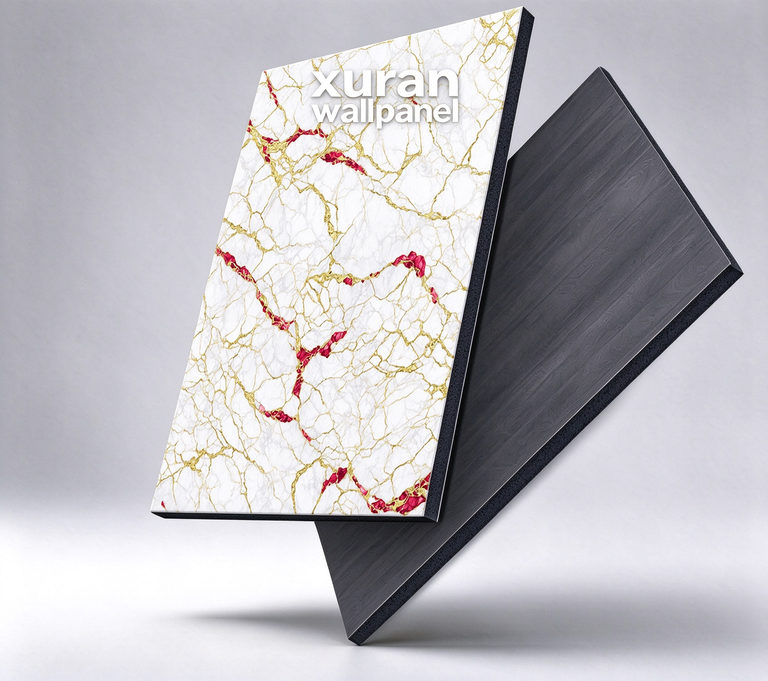
Wall paneling has become one of the most versatile solutions for improving interior spaces, combining decorative appeal, wall protection, and practical functionality. From traditional wood paneling to modern WPC wall panels, PVC decorative sheets, and acoustic panels, today’s market offers numerous materials and designs suitable for residential and commercial applications.
Choosing the best types of wall paneling depends on several factors, including interior design preferences, moisture resistance, maintenance requirements, installation methods, and budget.
At Xuran Decoration, we recognize that different spaces require different wall panel solutions. Whether designing a contemporary living room, renovating a hotel, upgrading office interiors, or creating an attractive commercial environment, selecting appropriate wall paneling materials can significantly improve the appearance and functionality of a space.
In this guide, we explore 15 popular types of wall paneling, their main characteristics, advantages, recommended applications, and important considerations to help homeowners, interior designers, contractors, and building material distributors make informed decisions.
What Is Wall Paneling?
Wall paneling refers to decorative or functional materials installed over interior or exterior walls to improve their appearance, provide surface protection, or deliver specific performance benefits.
Unlike conventional painted walls, decorative wall panels introduce texture, depth, patterns, and architectural details. Depending on the material, they may also provide easier cleaning, improved sound absorption, or increased resistance to everyday wear.
Modern wall paneling is available in numerous materials, including:
- Natural wood and engineered wood
- Wood-plastic composite (WPC)
- Polyvinyl chloride (PVC)
- Medium-density fiberboard (MDF)
- Plywood and wood veneer
- Acoustic felt and sound-absorbing materials
- Stone plastic composite (SPC)
- Gypsum and three-dimensional decorative materials
- Metal and composite cladding systems
Wall paneling can cover an entire wall, create a decorative accent, or protect the lower portions of walls through traditional wainscoting.
15 Best Types of Wall Paneling for Homes and Commercial Spaces
1. WPC Wall Paneling – Best for Modern Interior Decoration
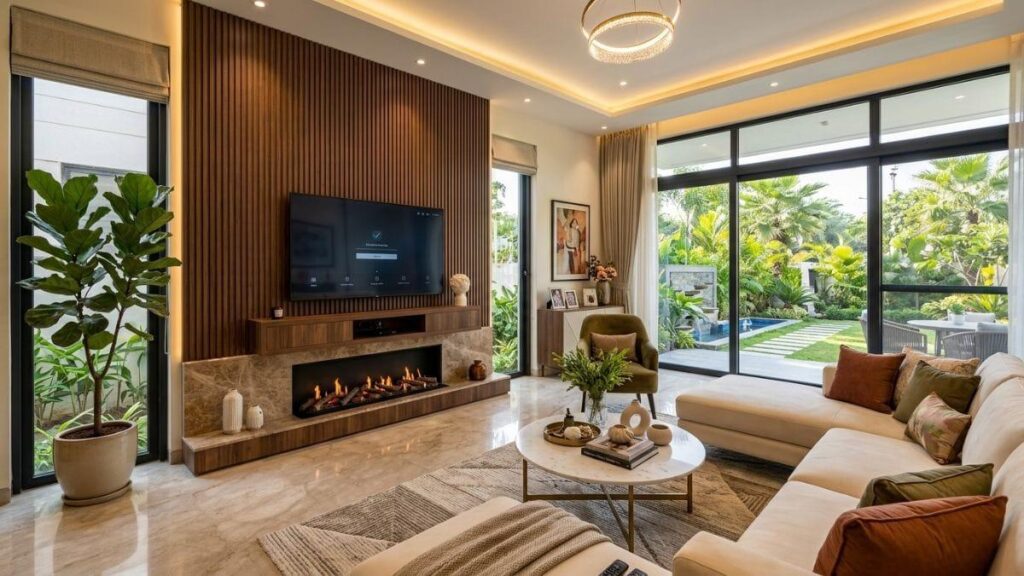
Wood Plastic Composite (WPC) wall paneling is a popular decorative option for contemporary interiors. It combines wood-derived materials with thermoplastic components to create engineered panels in different colors, profiles, and surface finishes.
WPC wall panels are particularly attractive for projects requiring a wood-inspired appearance with relatively straightforward maintenance.
Key Features of WPC Wall Paneling
- Available in wood-grain, solid-color, and decorative finishes.
- Produced in fluted, slatted, grooved, and flat profiles.
- Suitable for a variety of interior design applications.
- Many products offer better moisture tolerance than untreated wood.
- Can be installed using appropriate adhesive, clips, or mechanical fastening systems.
- Provides consistent profiles and finishes across larger installations.
Best Applications
WPC wall panels work particularly well in living rooms, bedrooms, reception areas, offices, retail stores, and hotel interiors.
For example, vertical fluted WPC panels can create an elegant television feature wall, while wood-look panels can add warmth to commercial reception areas.
However, specifications vary between manufacturers. Standard indoor WPC panels should not automatically be considered suitable for exterior exposure, continuously wet environments, or locations requiring a particular fire rating.
At Xuran Decoration, we offer a range of WPC wall panel solutions for modern decorative projects.
2. PVC Wall Paneling – Best for Easy Cleaning and Moisture-Prone Spaces
PVC wall paneling is manufactured using polyvinyl chloride and is widely used as a decorative alternative to conventional wall finishes.
PVC panels are valued for their lightweight construction, range of decorative surfaces, and relatively simple cleaning requirements.
Many PVC wall panels feature finishes that imitate marble, natural stone, timber, or other materials.
Key Advantages
- Smooth, easy-to-clean surfaces.
- Wide range of colors and printed finishes.
- Generally lighter than natural stone cladding.
- Good moisture resistance when appropriately specified.
- Useful for residential and commercial renovation projects.
- Often requires less routine maintenance than unfinished timber.
Best Applications
PVC wall panels can be used in kitchens, bathrooms, utility rooms, commercial corridors, and decorative feature walls.
For shower enclosures and other direct-water applications, we recommend selecting a panel system specifically rated for wet areas, including compatible sealed joints, edges, and penetrations.
3. Natural Wood Wall Paneling – Best for Timeless Luxury
Natural wood wall paneling remains an established choice for high-end residential and commercial interiors.
Materials such as oak, walnut, pine, cedar, and ash provide authentic wood grain patterns and distinctive textures.
Every natural wood panel has individual characteristics, creating an appearance that synthetic finishes may imitate but cannot reproduce exactly.
Key Advantages
Natural wood offers aesthetic versatility, refinishing potential, and visual warmth. Depending on the species, it can be stained, painted, or finished with protective coatings.
Best Applications
Natural wood wall panels are especially suitable for luxury apartments, executive offices, boutique hotels, restaurants, libraries, and residential feature walls.
However, timber can expand or contract with changes in humidity. Proper acclimatization, ventilation, and finishing are important to prevent deformation and maintain long-term appearance.
4. Acoustic Wall Paneling – Best for Offices and Media Rooms

Acoustic wall paneling combines decorative design with sound-absorbing properties.
Unlike ordinary decorative panels, acoustic products are developed to reduce sound reflections and improve room acoustics.
Common acoustic wall panel designs include wooden slats mounted over felt, fabric-wrapped absorptive panels, and perforated surfaces incorporating acoustic backing materials.
Key Features
- Can reduce reverberation and unwanted sound reflections.
- Available in wood-inspired and fabric finishes.
- Suitable for residential and commercial installations.
- Can improve speech clarity when correctly positioned.
- Combines sound management with decorative wall treatments.
Best Applications
Acoustic wall panels are often used in conference rooms, home theaters, recording spaces, classrooms, restaurants, and open-plan offices.
It is important to distinguish sound absorption from soundproofing. Acoustic panels can reduce echoes inside a room, but they do not necessarily prevent noise transmission through walls. Performance should be evaluated using the manufacturer’s tested acoustic data and the complete installation design.
5. MDF Wall Paneling – Best for Painted Decorative Walls
Medium-density fiberboard (MDF) wall panels provide a smooth, uniform surface that is well suited to painted interiors.
MDF is an engineered wood product manufactured from wood fibers bonded under heat and pressure.
It is commonly used for decorative molding, board-and-batten features, wall frames, and traditional paneled wall designs.
Key Advantages
- Smooth surface suitable for painting.
- Consistent density and appearance.
- Easy to machine into decorative shapes.
- Suitable for customized wall molding.
- Often more affordable than premium solid wood.
Best Applications
MDF paneling works well in bedrooms, dining rooms, offices, hallways, and living rooms.
Conventional MDF is best suited to dry interior conditions. Moisture-resistant MDF grades may be used in appropriate applications, but they should not be treated as waterproof.
6. Shiplap Wall Paneling – Best for Farmhouse and Coastal Interiors

Shiplap is a traditional wall paneling style featuring overlapping boards with rabbeted edges.
The boards create distinctive horizontal or vertical lines, giving walls a structured yet relaxed appearance.
Although originally associated with traditional construction, shiplap is now widely used for decorative purposes.
Main Benefits
- Creates clean architectural lines.
- Suitable for farmhouse, coastal, and transitional interiors.
- Available in natural wood and engineered alternatives.
- Can be painted or finished in numerous colors.
Best Applications
Shiplap paneling is an attractive option for bedrooms, living rooms, dining spaces, entryways, and feature walls.
Horizontal shiplap can emphasize the width of a room, while vertical installations can visually draw attention upward.
7. Board and Batten Paneling – Best for Elegant Accent Walls
Board and batten is a decorative wall treatment created by installing narrow strips, known as battens, over wider boards or a flat wall surface.
The battens create a geometric pattern that adds depth without overwhelming the surrounding interior design.
This style is frequently used in modern farmhouse, transitional, and traditional homes.
Advantages of Board and Batten
- Offers a clean, organized appearance.
- Can be customized with different batten widths.
- Suitable for full-height or partial-height installations.
- Creates attractive accent walls using relatively simple materials.
Best Applications
Board and batten works particularly well in bedrooms, staircases, dining rooms, entrance halls, and home offices.
For a contemporary look, we recommend combining evenly spaced vertical battens with neutral paint colors.
8. Beadboard Wall Paneling – Best for Traditional Interiors
Beadboard consists of narrow boards or sheets with evenly spaced grooves that reproduce the appearance of individual vertical planks.
This paneling style is especially associated with traditional cottages, coastal homes, and vintage-inspired interiors.
Key Features
- Narrow, repetitive grooves.
- Classic decorative appearance.
- Available in wood, MDF, and moisture-resistant alternatives.
- Suitable for painted wall finishes.
- Commonly installed as lower-wall paneling.
Best Applications
Beadboard is suitable for bathrooms, kitchens, dining rooms, laundry areas, and entryways when the material is appropriate for the expected moisture exposure.
For traditional homes, white beadboard paired with decorative trim provides a timeless appearance.
9. 3D Decorative Wall Paneling – Best for Statement Walls
Three-dimensional wall panels create visual interest through raised patterns, geometric forms, waves, and sculptural textures.
These panels are produced from various materials, including gypsum, PVC, MDF, and other engineered composites.
Unlike flat decorative wall coverings, 3D panels create shadow effects that change with surrounding lighting.
Main Advantages
- Creates distinctive architectural features.
- Available in modern geometric patterns.
- Suitable for feature walls and commercial environments.
- Can be combined with carefully positioned lighting.
Best Applications
3D wall panels are often selected for hotel lobbies, restaurants, retail showrooms, modern apartments, and entertainment spaces.
For maximum visual impact, we recommend installing 3D panels on one prominent wall rather than covering every surface in a small room.
10. SPC Wall Paneling – Best for Rigid Decorative Surfaces
Stone Plastic Composite (SPC) wall paneling is an engineered product commonly manufactured using mineral fillers and polymer-based binders.
SPC products are associated with rigid construction and decorative surfaces that may imitate stone, marble, or wood.
Key Advantages
- Dimensionally stable rigid-panel construction.
- Decorative options for contemporary interiors.
- Relatively straightforward surface cleaning.
- Suitable for certain moisture-prone applications when properly specified.
Best Applications
SPC panels may be considered for commercial interiors, bathrooms, kitchens, hotel corridors, and decorative renovation projects.
The exact product composition, dimensions, fastening requirements, and water-exposure rating must be checked before installation.
11. Fluted Wall Paneling – Best for Contemporary Designs

Fluted wall paneling features repeated vertical or horizontal grooves that create a ribbed architectural appearance.
Unlike WPC or MDF, which describe materials, fluted describes the panel’s surface profile. Fluted wall panels can be manufactured from WPC, timber, MDF, PVC, and other materials.
Key Features
- Distinctive linear textures.
- Available in narrow and wide flute profiles.
- Suitable for modern minimalist interiors.
- Works with various decorative finishes.
- Can complement both residential and commercial architecture.
Best Applications
Fluted panels are particularly attractive for bedroom headboards, television walls, reception counters, office partitions, and hotel interiors.
Vertical fluting can visually emphasize room height, while wider profiles produce a bolder decorative effect.
12. Plywood Wall Paneling – Best for Natural and Practical Interiors
Plywood wall paneling is manufactured from multiple layers of wood veneer bonded together, generally with alternating grain directions.
This layered construction provides useful dimensional stability and makes plywood suitable for numerous interior applications.
Decorative plywood may feature attractive outer veneers such as birch, oak, or walnut.
Key Advantages
- Engineered layered construction.
- Available in various thicknesses and veneer grades.
- Suitable for custom decorative projects.
- Can be cut and shaped for architectural applications.
- Provides natural wood aesthetics with appropriate surface finishes.
Best Applications
Plywood wall panels work well in contemporary offices, residential interiors, creative workspaces, retail stores, and furniture-integrated wall systems.
At Xuran Decoration, we recognize the versatility of Multi-Ply Plywood for projects requiring engineered wood materials.
13. Raised Panel Wall Paneling – Best for Classical Interiors
Raised paneling is characterized by decorative center panels that project above the surrounding frame.
This traditional architectural style is commonly associated with classical residential interiors and formal commercial environments.
Raised panels may be manufactured from solid wood, MDF, or other paint-grade materials.
Advantages
- Creates a sophisticated traditional appearance.
- Adds depth and architectural detail.
- Can be customized for different interior styles.
- Suitable for partial-height or full-height wall installations.
Best Applications
Raised panel wall treatments are particularly suitable for formal dining rooms, libraries, luxury residential interiors, and heritage-inspired hospitality spaces.
14. Tongue-and-Groove Wall Paneling – Best for Seamless Board Installations
Tongue-and-groove paneling uses boards with complementary projecting and recessed edges that fit together.
This joining method helps align individual boards during installation and creates a continuous wall finish.
It is widely used with natural wood and engineered wood products.
Key Features
- Interlocking board profiles.
- Horizontal or vertical installation options.
- Natural timber or painted finishes.
- Suitable for traditional and contemporary styles.
Best Applications
Tongue-and-groove panels work well in cabins, bedrooms, living rooms, corridors, and ceiling applications.
Installation should allow for any movement requirements specified by the manufacturer, particularly when natural timber is used.
15. Exterior WPC Cladding – Best for Outdoor Wall Decoration
Exterior WPC cladding is developed for outdoor architectural surfaces where weather exposure, moisture, and ultraviolet radiation must be considered.
Unlike ordinary interior decorative panels, outdoor-grade WPC products are formulated and tested for exterior conditions.
Key Advantages
- Wood-inspired decorative appearance.
- Available in modern architectural profiles.
- Reduced need for painting compared with some natural timber products.
- Suitable for ventilated cladding systems when correctly designed.
- Available in various surface textures and finishes.
Best Applications
Exterior WPC cladding can be used on building facades, garden walls, exterior accent surfaces, and selected commercial architectural projects.
Outdoor installations require careful attention to thermal expansion, drainage, ventilation, fastening, wind loads, and applicable building regulations.
Comparison of the Best Types of Wall Paneling
The following table summarizes the primary characteristics and recommended uses of popular wall paneling materials and designs.
| Wall Panel Type | Main Advantage | Best Applications |
|---|---|---|
| WPC Wall Panels | Decorative profiles and wood-look finishes | Living rooms, offices, hotels |
| PVC Wall Panels | Easy cleaning and moisture resistance | Bathrooms, kitchens |
| Natural Wood Panels | Authentic grain and premium appearance | Luxury homes, executive offices |
| Acoustic Wall Panels | Helps reduce sound reflections | Offices, theaters, meeting rooms |
| MDF Panels | Smooth, paintable surface | Bedrooms, dining rooms |
| Shiplap Panels | Classic linear appearance | Farmhouse and coastal interiors |
| Board and Batten | Elegant geometric pattern | Bedrooms, hallways |
| Beadboard Panels | Traditional decorative style | Kitchens, entryways |
| 3D Wall Panels | Sculptural texture | Hotels, restaurants |
| SPC Wall Panels | Rigid decorative construction | Renovations, commercial spaces |
| Fluted Wall Panels | Modern ribbed appearance | Accent walls, reception areas |
| Plywood Wall Panels | Versatile layered wood construction | Offices, residential interiors |
| Raised Panels | Classical architectural detail | Dining rooms, libraries |
| Tongue-and-Groove | Interlocking board construction | Bedrooms, cabins |
| Exterior WPC Cladding | Outdoor-grade decorative surface | Facades, exterior walls |
How to Choose the Best Wall Paneling for Your Space
Selecting the right wall panel material requires balancing appearance, practical performance, installation considerations, and long-term maintenance.
Consider the Installation Environment
Indoor living rooms, commercial corridors, bathrooms, and outdoor facades all have different performance requirements.
For example, natural wood and MDF panels are appropriate for many dry interior spaces, while wet-area-rated PVC systems may be more suitable where regular water exposure is expected.
Exterior applications require materials explicitly designed for outdoor conditions.
Evaluate Moisture Resistance
Moisture resistance is an important consideration for kitchens, bathrooms, laundry rooms, and humid environments.
We recommend checking the complete installation system rather than relying only on the panel’s advertised water resistance.
Even a water-resistant surface can allow moisture to reach the underlying wall through poorly sealed joints or penetrations.
Choose the Right Decorative Finish
Wall paneling has a significant influence on interior aesthetics.
For modern spaces, fluted WPC panels and wood slat designs provide a clean architectural appearance. Natural wood is ideal for warm, premium interiors, while marble-look PVC or SPC panels can provide a more polished, stone-inspired finish.
Check Fire Performance and Product Certifications
Fire performance should be carefully evaluated for commercial buildings, hospitality projects, public areas, and regulated construction applications.
Different panel materials and finishes may have significantly different fire characteristics.
We recommend requesting relevant test reports and verifying compliance with the local building code. Fire classification must be supported by the specific tested product and, where applicable, its installation assembly.
Consider Cleaning and Maintenance
For high-traffic areas, panels with washable and wear-resistant surfaces may offer practical advantages.
Natural wood may require periodic refinishing, while many decorative composite panels can be maintained using mild cleaning products.
Always follow manufacturer instructions to avoid damaging protective coatings or decorative finishes.
Wall Paneling Installation: Important Considerations
Proper installation plays an essential role in wall panel performance and appearance.
Before installation, the substrate should be inspected for moisture damage, structural problems, and significant surface irregularities.
Installation methods commonly include adhesive bonding, concealed clips, nails, screws, or mechanical fastening systems.
The appropriate method depends on the panel material, wall condition, panel dimensions, and manufacturer requirements.
For a successful project, we recommend following these steps:
- Measure the wall area accurately. Calculate the required quantity of wall panels and allow additional material for cutting and waste.
- Prepare the wall surface. Remove loose materials, repair defects, and ensure the substrate meets installation requirements.
- Acclimatize materials when required. Wood and certain engineered products may need time to adjust to installation conditions.
- Plan panel alignment. Determine the starting position and account for corners, outlets, doors, and visible joints.
- Use compatible installation materials. Select adhesives, fixings, and trims approved for the panel system.
- Provide movement allowances. Follow manufacturer recommendations for expansion and contraction.
- Inspect the completed installation. Check alignment, connections, surface finishes, and sealing where applicable.
For larger commercial projects, professional installation is often the preferred approach, particularly when fire performance, acoustic requirements, or complex wall assemblies are involved.
Wall Paneling Ideas for Different Rooms
Living Room Wall Paneling
For living rooms, we recommend considering WPC fluted panels, natural wood, or decorative 3D panels.
A television feature wall with vertical wood-look panels can create a refined focal point while complementing contemporary furniture and lighting.
Bedroom Wall Paneling
Bedrooms benefit from softer textures and warm decorative finishes.
Wood veneer, upholstered acoustic panels, and fluted wall treatments are attractive options for headboard feature walls.
Bathroom Wall Paneling
For bathrooms, moisture management should take priority.
Appropriately rated PVC or SPC panel systems may be suitable, provided joints, corners, and penetrations are sealed according to the manufacturer’s installation requirements.
Office Wall Paneling
Office environments often require a balance between professional appearance and functionality.
Acoustic wall panels can help manage reverberation in meeting rooms, while WPC decorative panels can create a welcoming reception area.
Hotel Wall Paneling
Hotels frequently combine different panel materials throughout a property.
For example, wood-look panels may be used in guest rooms, acoustic treatments in meeting spaces, and decorative composite panels in corridors and public areas.
Material selection should account for wear resistance, cleaning procedures, fire requirements, and maintenance access.
Frequently Asked Questions About Types of Wall Paneling
1. What Is the Best Type of Wall Paneling?
The best type depends on the intended application. WPC panels are attractive for modern decorative interiors, natural wood offers authentic premium finishes, PVC provides convenient cleaning, and acoustic panels are useful for improving room acoustics.
2. What Is the Most Affordable Type of Wall Paneling?
Basic MDF, plywood, and certain PVC panels are often among the more economical options. However, total project costs depend on material quality, finish, installation labor, accessories, and local market conditions.
3. Which Wall Panels Are Best for Bathrooms?
Wet-area-rated PVC panel systems are a common option. Certain SPC or other composite systems may also be appropriate when specifically approved for the intended installation.
4. What Is the Difference Between WPC and PVC Wall Panels?
WPC typically combines wood-derived materials and polymers, whereas PVC wall panels are primarily based on polyvinyl chloride formulations.
Both can be available in decorative finishes, but their weight, rigidity, moisture performance, installation requirements, and suitability vary by product.
5. Are Wall Panels Better Than Paint?
Wall panels provide additional design possibilities, including texture, dimensional patterns, and certain functional benefits.
Paint is generally simpler to update and often has a lower initial material cost. The better option depends on design goals, maintenance needs, and budget.
6. Can Wall Paneling Be Installed Over Existing Walls?
Many decorative panels can be installed over suitable existing wall surfaces.
However, the wall must be structurally sound, dry, and compatible with the selected installation method. Existing moisture problems should be corrected before panels are installed.
7. Which Wall Panels Are Best for Commercial Spaces?
WPC, PVC, natural wood, and acoustic panels can all be suitable for commercial interiors.
We recommend prioritizing tested fire performance, durability, cleaning requirements, acoustic needs, and relevant building regulations.
8. Is WPC Wall Paneling Waterproof?
Some WPC products have excellent moisture resistance, but not every WPC wall panel or assembled installation is waterproof.
The manufacturer’s product specifications should be reviewed before selecting WPC for wet rooms or exterior applications.
Conclusion: Choosing the Best Wall Paneling for Your Project
The best types of wall paneling combine suitable material performance with attractive design and practical installation requirements.
From natural wood and traditional shiplap to modern WPC, PVC, fluted, and acoustic panels, each option provides distinct benefits for different environments.
For contemporary interior projects, WPC wall paneling offers a versatile combination of decorative profiles and wood-inspired finishes. PVC wall panels are particularly useful where surface cleaning and moisture resistance matter, while acoustic panels can help improve the sound environment of offices and entertainment spaces.
At Xuran Decoration, we focus on decorative wall panel solutions for residential interiors, hotels, offices, commercial spaces, and architectural projects. Our product collections provide options for customers seeking modern finishes, coordinated decorative designs, and practical wall covering materials.
Explore our wall panel products at Xuran Decoration to discover suitable materials, finishes, and decorative profiles for your next project.
The right wall paneling does more than decorate a wall—it helps create a distinctive, functional, and lasting interior environment.